
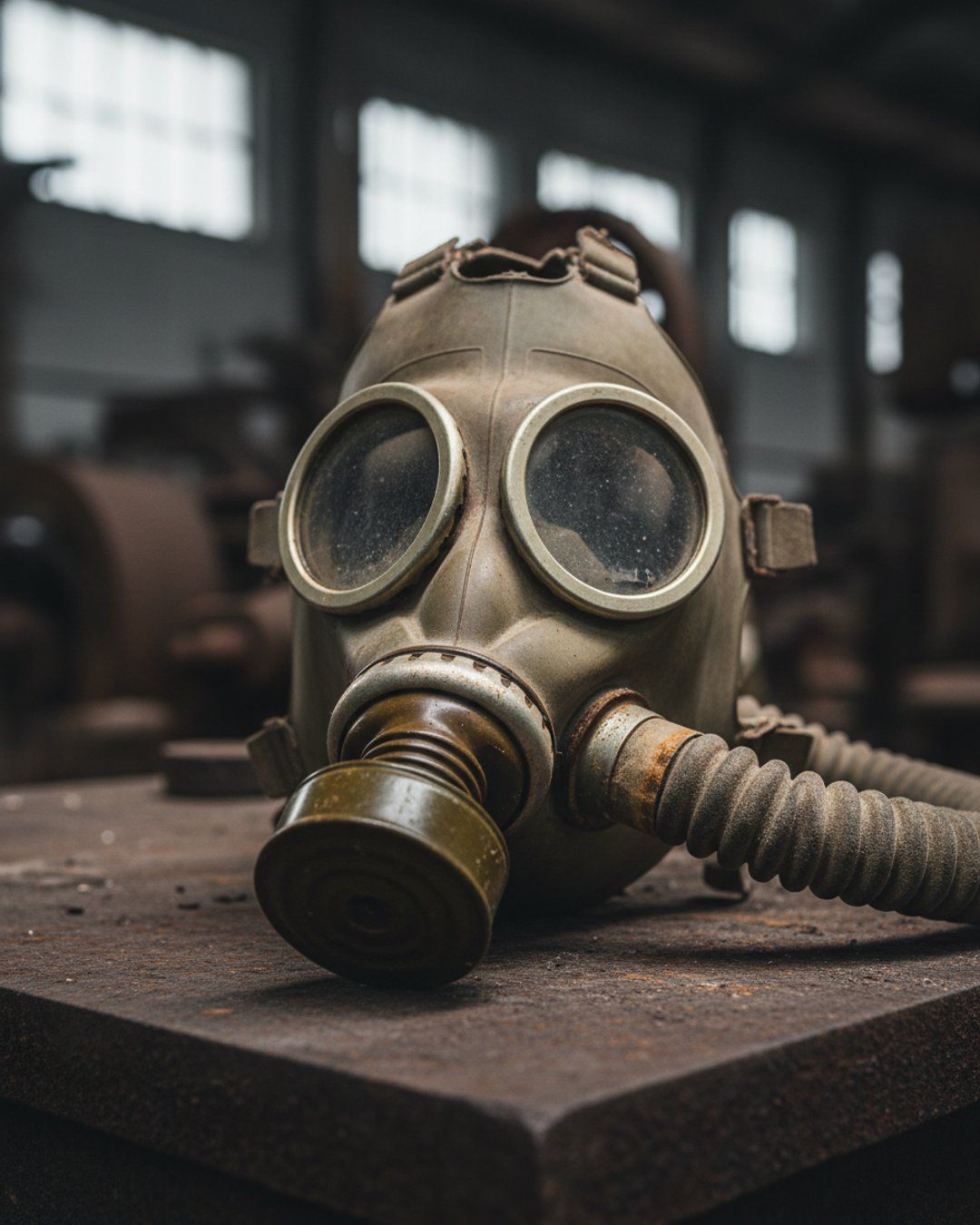
A 'localized Cold War': The dangerous legacy of America's secret chemical stockpiles
- The toxic cost of deterrence
- A dream of painless warfare
- Banned in war, not at home
The story
The toxic cost of deterrence
For decades, the U.S. military managed a massive, secret stockpile of chemical weapons near civilian towns in 9 different states.
A dream of painless warfare
In the 1850s, scientists like Lyon Playfair argued that chemical shells could end wars faster with "least suffering."
Instead, the 20th century proved the opposite. Weapons like Mustard Gas induced horrific, non-fatal blisters and lifelong disfigurement, changing the public's stomach for these tools forever.
Banned in war, not at home
Governments exploited legal loopholes to keep building chemical weapons for 'domestic' use even after international bans began.
Stockpiling purely for defense
- Nations like Australia built massive inventories despite never intending to strike first.
- The U.S. and U.K. operated major manufacturing plants throughout WWII just for "retaliation capability."
- This logic mirrored early nuclear doctrine: you must own the weapon to ensure it is never used against you.
When the wind shifts
Modern safety models originally designed for nuclear war are now used to protect civilians from accidental chemical leaks.
The final 1993 convention
The 1993 Chemical Weapons Convention finally aimed to end the era of toxic warfare for good. This came just one year after the last U.S. nuclear test.
Today, while nuclear weapons remain icons of power, chemical weapons have been largely erased from the U.S. military inventory through massive, quiet destruction efforts.
The history of chemical and biological warfare is a long one that the world finally hoped to end with the 1993 Chemical Weapons Convention. This formal conclusion to most programs arrived shortly after the final U.S. nuclear test, born from a 1990s sentiment often called the "end of history." Yet the legacy of these weapons remains buried in military reservations across the United States.
Early advocates of chemical weapons once claimed they were more humane. In the 1850s, chemist Lyon Playfair suggested using cyanide shells to end wars quickly with minimal suffering. However, when these weapons were finally deployed in World War I, the results were anything but clinical. Mustard Gas, in particular, became a symbol of agony, causing severe skin blistering and internal bleeding that clogged military hospitals with soldiers who were disfigured but often still alive.
Public outrage led to the 1925 Geneva Protocol, though it contained a strange contradiction. While it banned chemical use in war between nations, it did not stop governments from manufacturing the agents. Many nations, including the U.S. and Britain, argued that they needed a "retaliation capability" to prevent others from striking first. This created a silent arms race where massive amounts of lethal chemicals were produced even by nations committed to never using them.
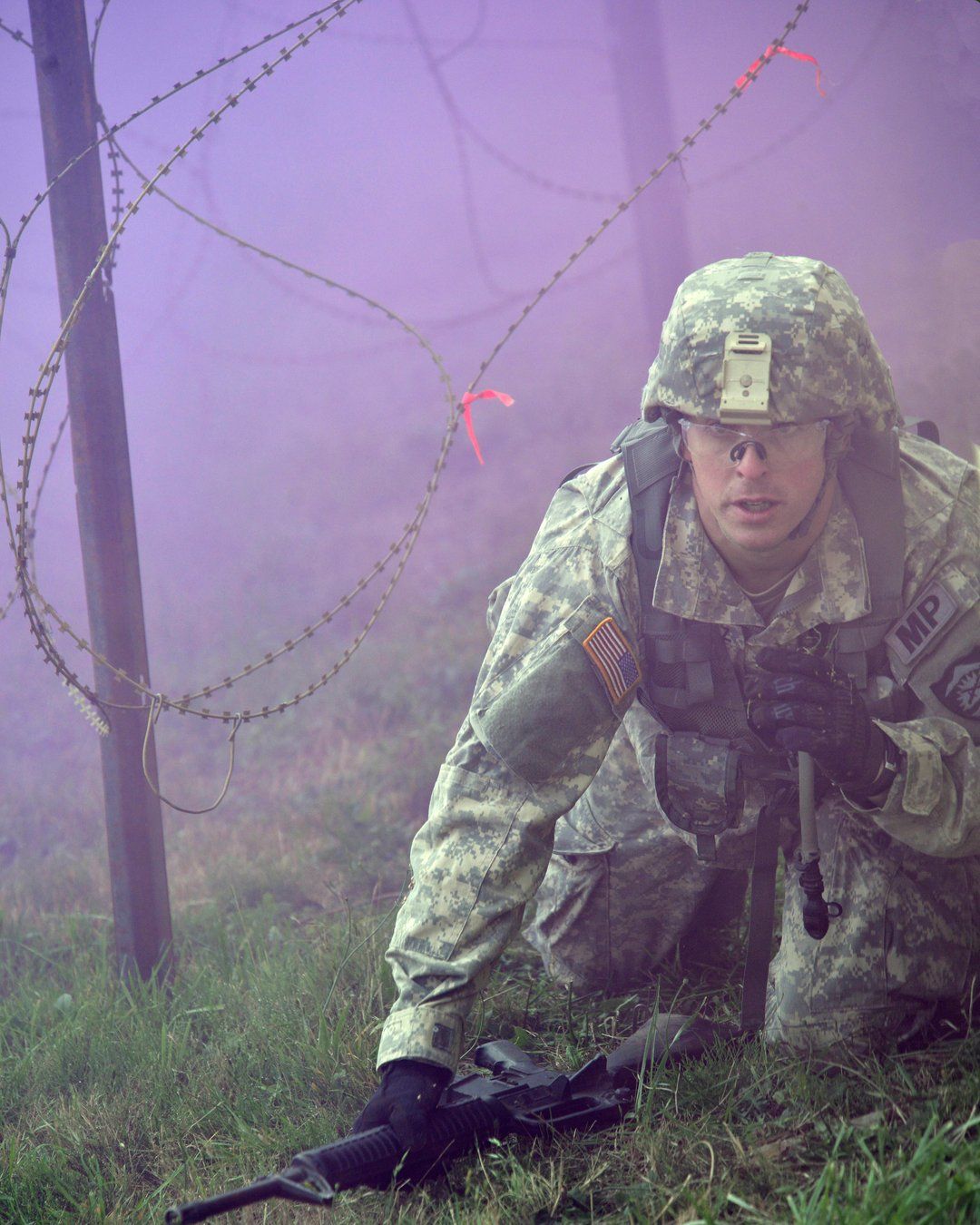
This logic turned many American towns into localized Cold War zones. Toxic munitions were stored, recovered, and eventually destroyed behind military fences while life continued nearby. The danger was not hypothetical; many incidents of toxic compounds blowing away from military custody occurred over the decades, though many remained classified or covered up at the time.
Today, the destruction of these old stockpiles continues to present risks. Modern emergencies, such as the disposal of unstable Lead Azide in Iowa, require public warnings about toxic plumes. While the weapons themselves are being phased out, the sophisticated plume models once meant to forecast nuclear fallout are now the primary tool for managing the accidental risks of our chemical past.

Source: Computers Are Bad ↗
Photos: Oregon National Guard from Salem, Oregon, United States, CC BY 2.0; Paul VanDerWerf from Brunswick, Maine, USA, CC BY 2.0
Illustration: AI-generated





Comments