
A New York play uses Bluetooth to let you hear inside the lead’s head
- A play in your ears
- Powered by Auracast
- Simulating hearing loss
The story
A play in your ears
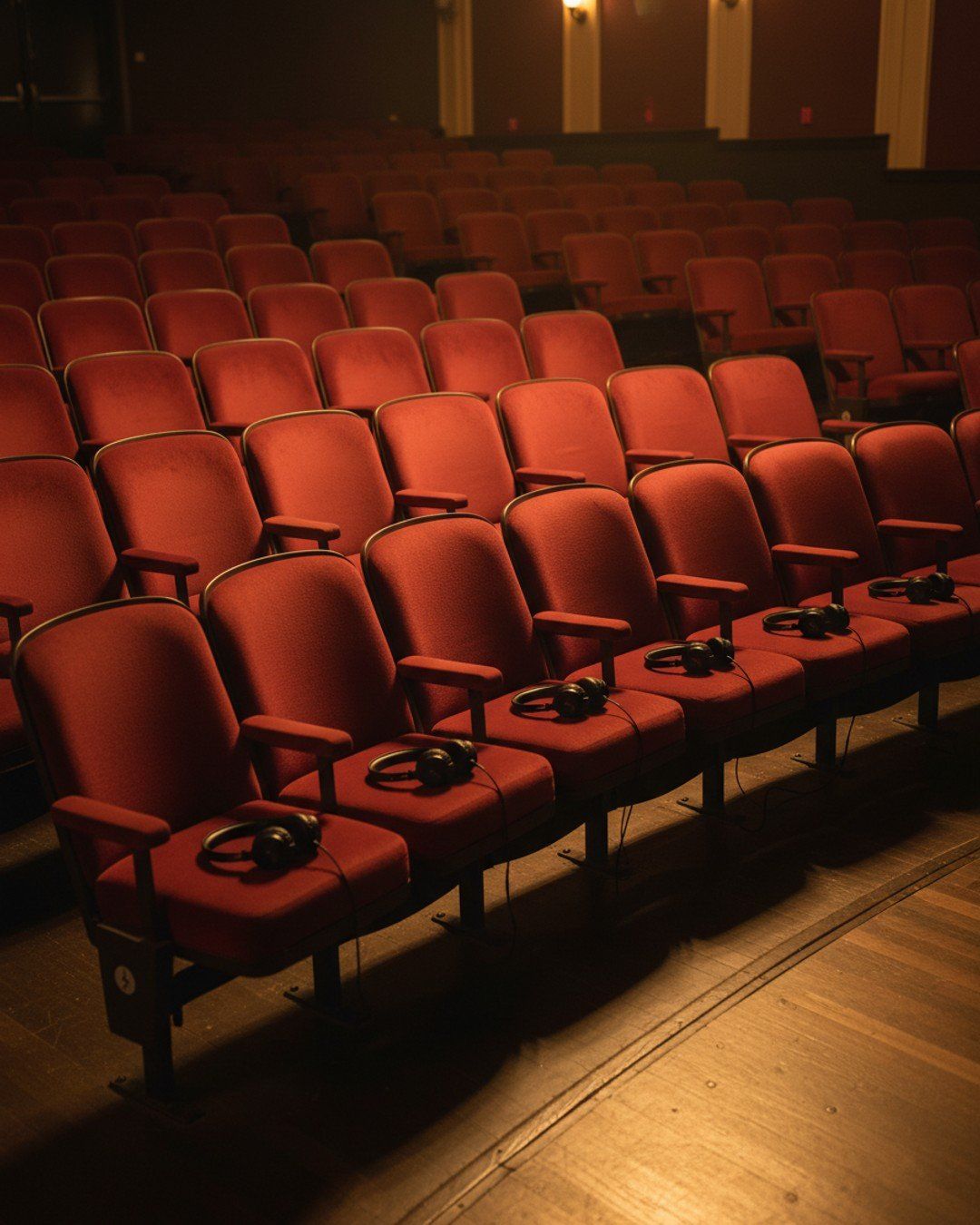
In the one-man show Love Me, every audience member wears a pair of headphones to experience the character’s intimate inner world.
Powered by Auracast
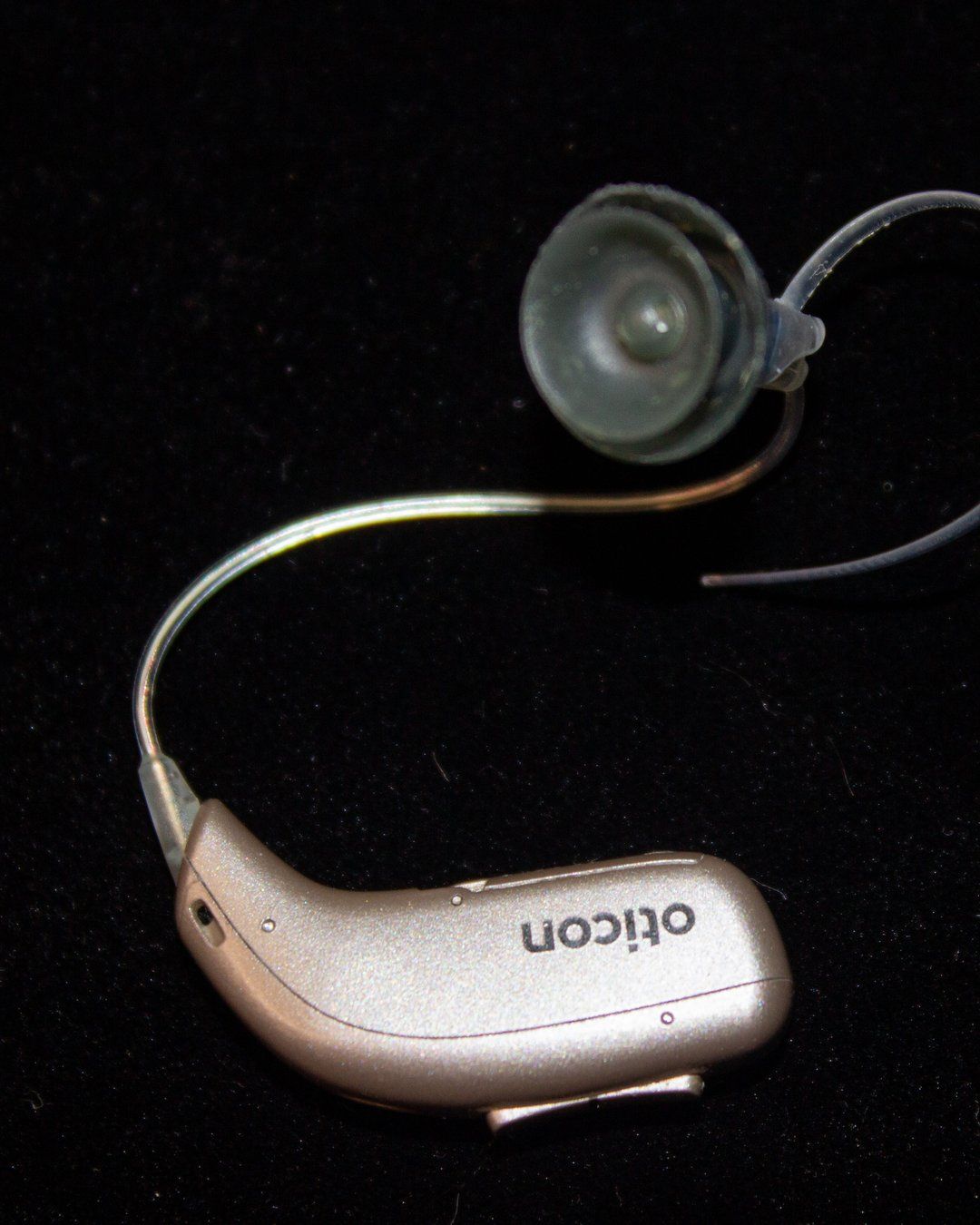
Auracast Bluetooth broadcasts audio to unlimited nearby devices, so some hearing aids and cochlear implants connect to the show directly.
Simulating hearing loss
- Sound designer Daniel Kluger uses theater speakers and headphones together to create layers of sound.
- Some scenes feature muffled audio or ringing tones to mirror the lead's tinnitus.
- The character's inner monologue stays perfectly clear in the headphones, representing his most "comfortable" space.
Overwhelming the senses
During a comedy club scene, the audience hears three things at once: muffled hecklers from the room, a live mic on stage, and a prerecorded inner monologue.
The goal is to show the "cognitive labor" required to parse sound when hearing is a struggle.
Removing the weight
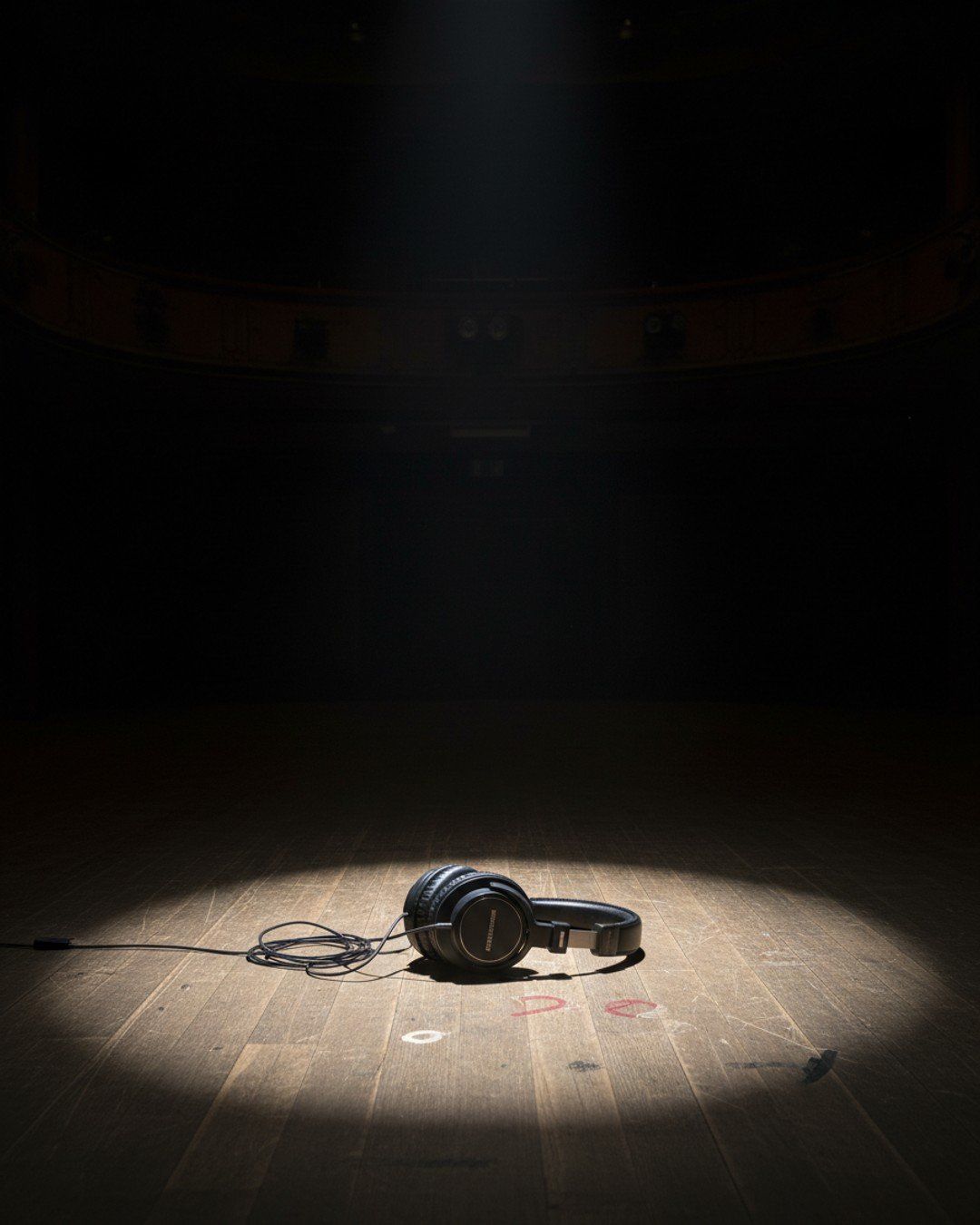
At the climax the audience removes their headphones, as writer-star Drew Michael, who has hearing loss, embraces his Deaf identity.
Tech meets identity
The play is a partnership with Deaf West Theatre. It aims to bridge the gap between audiological technology and Deaf culture.
Beyond art, Auracast is increasingly used for accessibility in public spaces, from lecture halls to transit hubs.
A small 178-seat theater in New York City is testing the boundaries of audio technology. In the one-man show Love Me, every audience member is given a pair of headphones connected to an Auracast receiver. The technology, a powerful version of Bluetooth, allows the production to broadcast high-fidelity audio to everyone in the room simultaneously.
Star Drew Michael, a former SNL writer, uses the tech to tell a story about connection and hearing loss. Sound designer Daniel Kluger blends live theater speakers with the headphone feed to create an immersive experience. While the room audio might be muffled to simulate hearing difficulties, Michael’s inner thoughts remain crisp and clear in the listeners' ears.
The show forces the audience to feel the mental strain of processing sound. In one scene, three different audio sources compete for attention, highlighting the effort required to navigate a world that isn't built for those with hearing loss. It is an intentional sensory overload that makes the story feel personal and immediate.
At the climax of the play, audience members are instructed to remove their headsets. This physical act mirrors Michael's own journey toward accepting his Deaf identity. He notes that while his hearing has never been worse, he has never felt more self-affirmed, moving away from the idea of deafness as a tragedy.
Auracast isn't just for experimental theater; it is a rising standard for accessibility. It allows people with compatible hearing aids or cochlear implants to tune in to broadcasts in public spaces like airports or theaters. For Michael, the technology is a way to marry modern tools with cultural identity rather than choosing one over the other.
Source: The Verge ↗
Illustration: AI-generated

Comments