
A quiet crisis: Why the massive buildout of AI data centers is sparking local revolts
- Why data centers are the new front line
- Power and water hogs
- High security and piercing noise
The story
Why data centers are the new front line
Marx's new book argues data centers have become a target for voters angry about power bills, noise and water use.
Power and water hogs
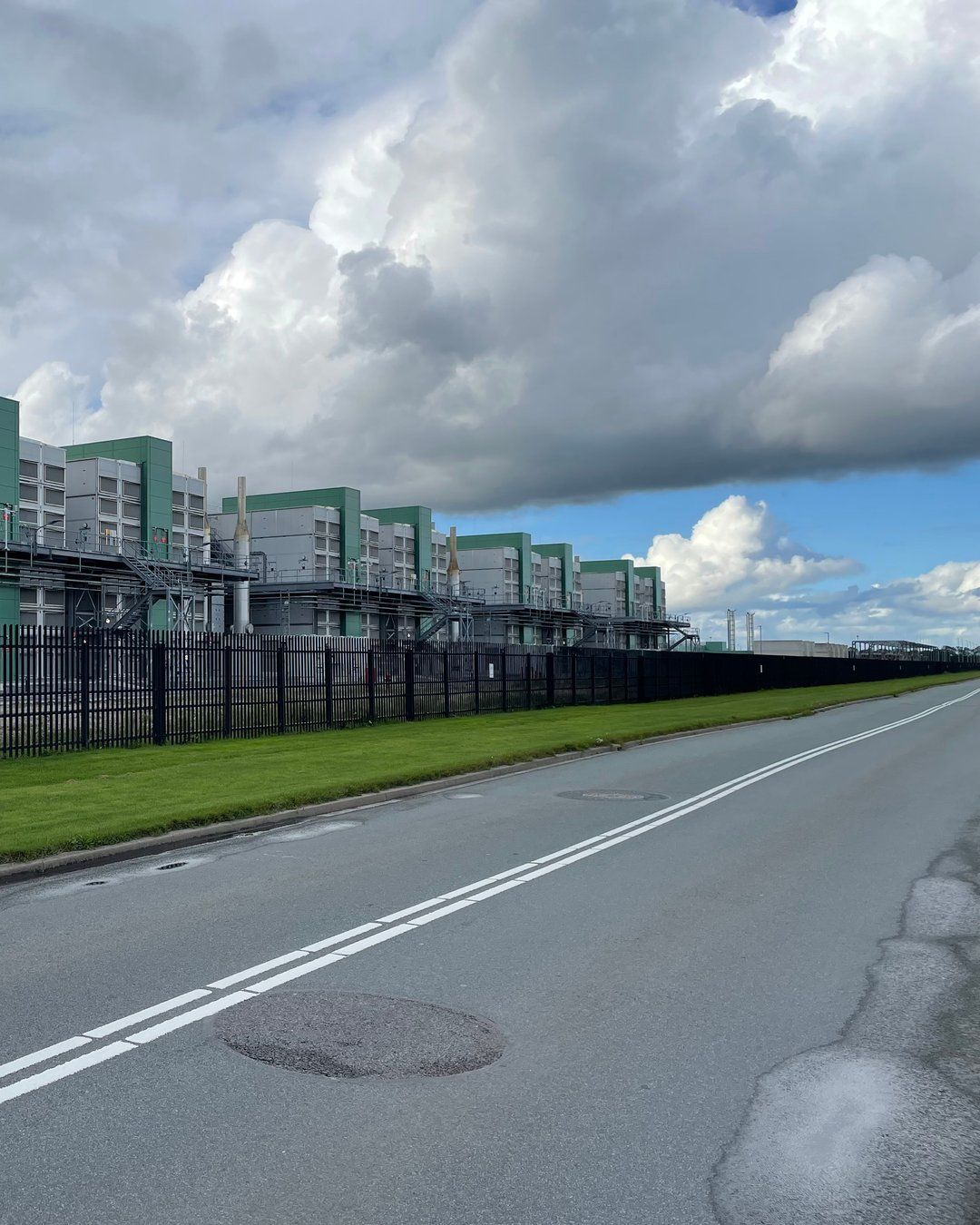
Data centers use over 20% of Ireland's electricity, and one Google site used 29% of The Dalles, Oregon's water.
High security and piercing noise
Gaining access to these "hyperscale" sites requires intense vetting, including passport checks. Inside, the environment is strictly utilitarian. Marx describes server rooms as warm, incredibly loud spaces where the constant roar of cooling fans makes earplugs a necessity for anyone staying long.
Rare bipartisan unity
A data center is a physical neighbor, so conservatives and progressives alike now oppose sites that raise utility bills.
Big Tech tries to quiet the critics
- Tech giants are beginning to drop non-disclosure agreements in city negotiations.
- Some companies now offer to pay for the power infrastructure they require.
- New cooling designs are being marketed as a way to reduce freshwater consumption.
Beyond the server racks
The data center struggle reflects a broader pushback against the tech industry's physical presence. From AI cameras on street poles to self-driving cars on city roads, people are increasingly questioning the real-world costs of a digital future built by a handful of billionaires.
The rapid expansion of artificial intelligence requires a massive physical foundation: the hyperscale data center. Journalist Paris Marx, author of the new book "Hyperscale," argues that these facilities have moved from being invisible backends of the internet to becoming significant political flashpoints.
The environmental footprint of these buildings is substantial. In some regions, data centers are straining the local infrastructure to its breaking point. In Ireland, they now account for 20% of national power use, while in some U.S. cities, they consume nearly a third of the local water supply for cooling. This has led to rising utility bills and concerns about resource scarcity.
Inside, these centers are far from the sleek, futuristic environments often depicted in marketing. They are highly secured, utilitarian warehouses filled with rows of server racks. The noise from cooling fans is so intense that earplugs are often required, and the heat generated is a constant management challenge.
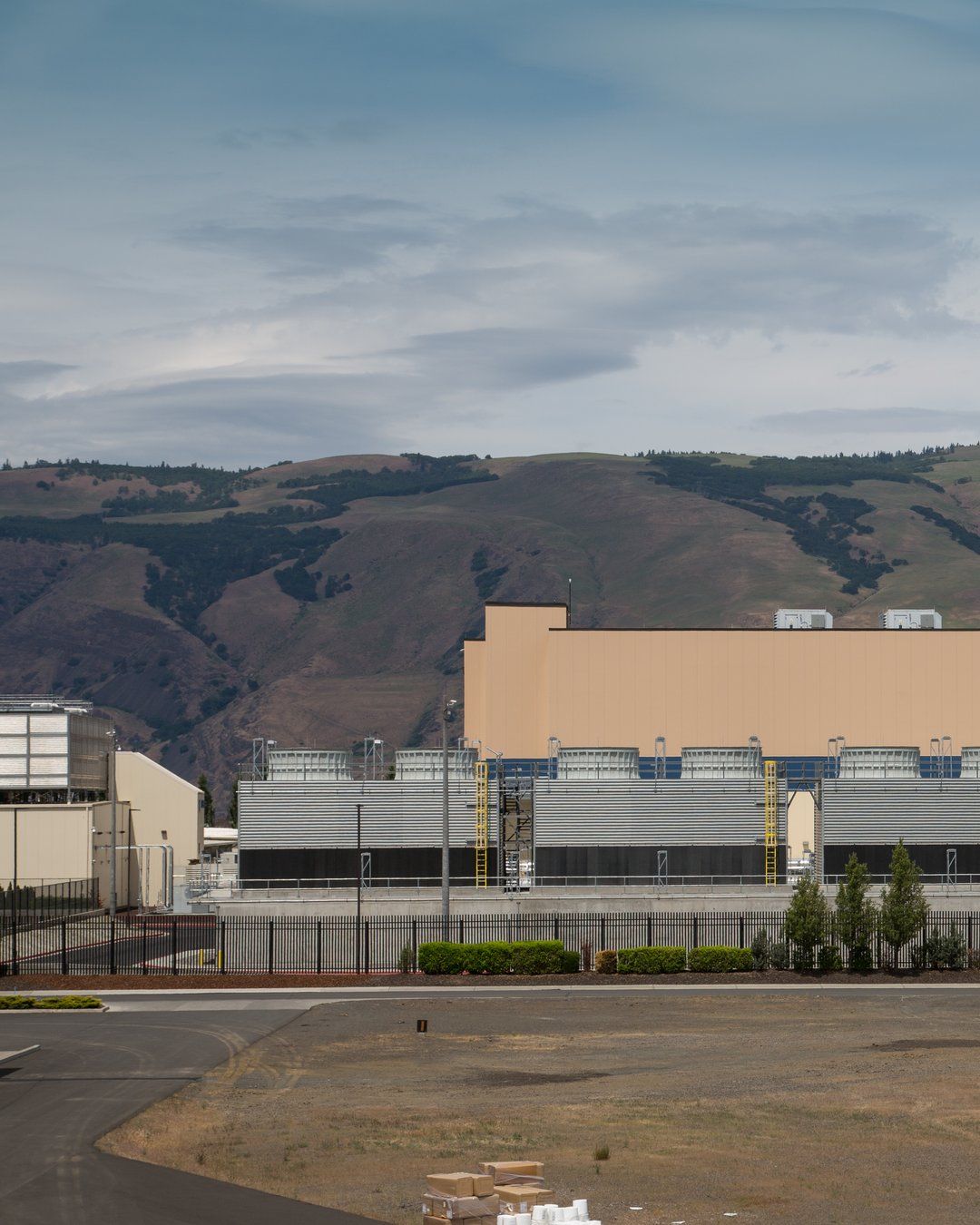
This physical presence has turned data centers into a rare bipartisan issue. Voters across the political spectrum are pushing back against the noise, the land use, and the drain on public utilities. In response, companies like Microsoft and Google are promising more transparency and trying to find ways to offset their massive energy needs.
Ultimately, the backlash represents a growing skepticism toward the tech industry. As digital services demand more physical resources, communities are demanding to know if the benefits of generative AI are worth the tangible costs to their neighborhoods and the planet.
Source: TechCrunch ↗
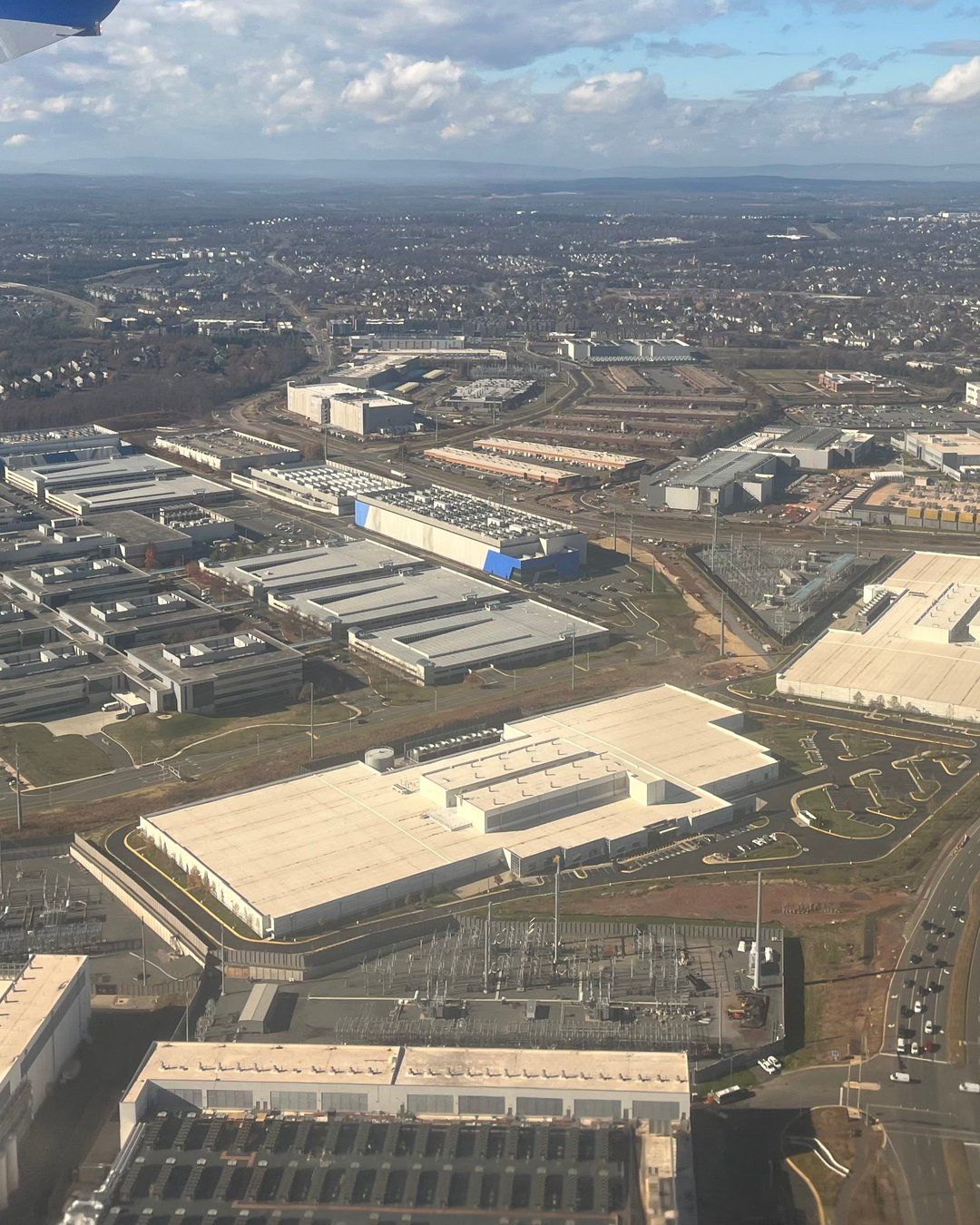
Photo: Hay Kranen, CC BY 4.0
Photo: Tony Webster from Minneapolis, Minnesota, United States, CC BY 2.0
Photo: Theodore Christopher, CC0



Comments