
Coca-Cola revives Gold Spot after 26 years to win over health-conscious India
- The Zing Thing returns to India
- A pivot to healthy bubbles
- Cans spotted on social media
The story
The Zing Thing returns to India
Coca-Cola is bringing back the beloved 1980s orange soda Gold Spot in a low-sugar format to tap into consumer nostalgia.
A pivot to healthy bubbles
The revived Gold Spot will look different than the sugary drink from the 1970s and '80s. Coca-Cola plans to sell it primarily as a low-sugar or no-sugar beverage.
This strategy allows the brand to return without stealing customers from Fanta, the company’s flagship sugary orange soda.
Cans spotted on social media
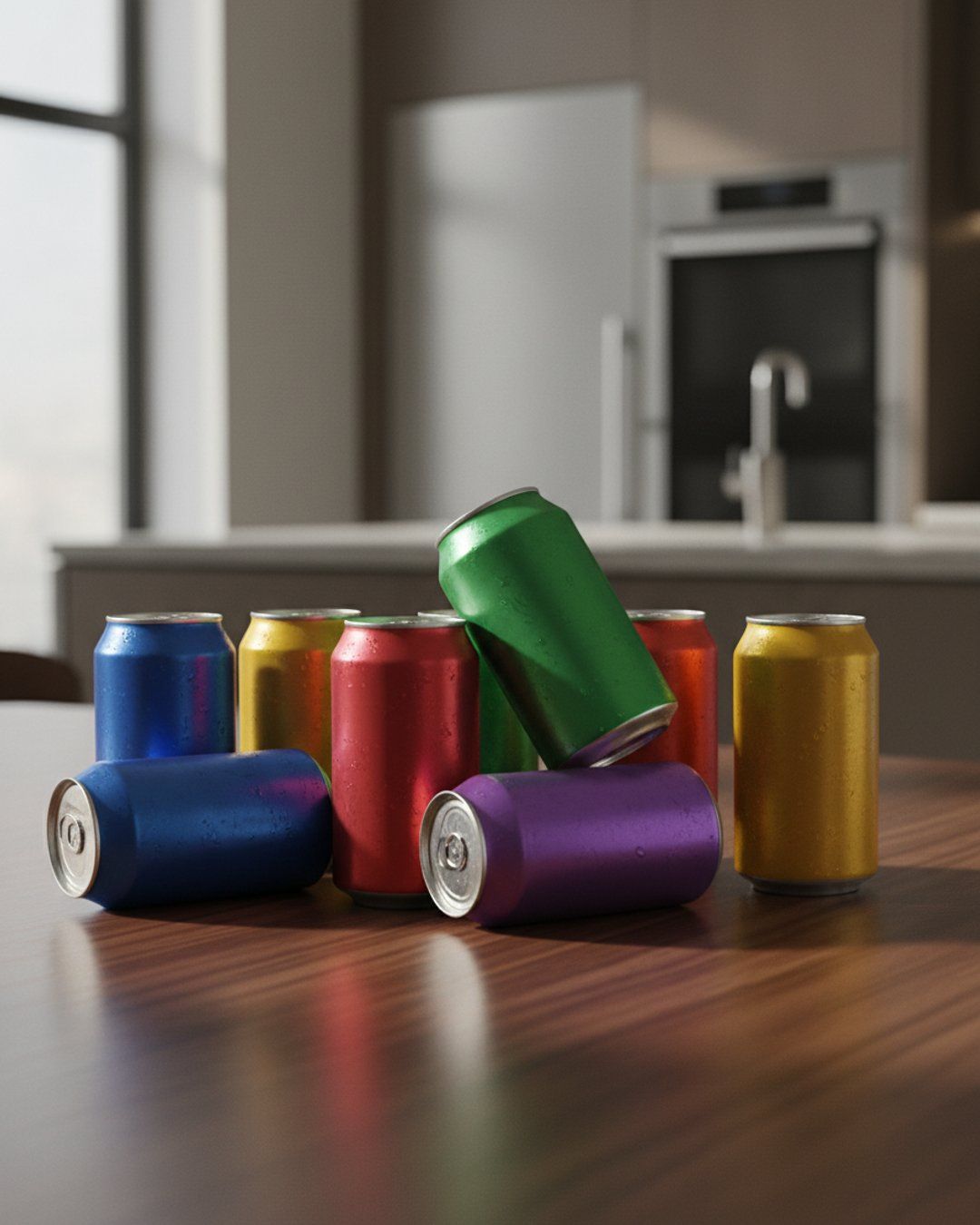
Speculation grew after Sakshi Dhoni, wife of cricket legend MS Dhoni, shared a photo featuring a Gold Spot can.
Why the icon vanished in 2000
Parle launched Gold Spot in 1952, and it became a cultural staple after Coca-Cola left India in 1977. When the American giant returned in 1993, it bought Parle's brands for $40 million.
While Thums Up and Limca survived, Gold Spot was discontinued in 2000 to clear the way for Fanta.
Betting on the nostalgia wave
For many, Gold Spot is tied to childhood memories of summer holidays and birthday parties.
Coca-Cola is set to revive Gold Spot, the iconic orange soda that dominated Indian markets for decades, after a 26-year absence. Known by its famous tagline "The Zing Thing," the beverage was a staple of 1980s culture before it was phased out in 2000. Its return marks a strategic move by Coca-Cola to leverage deep-rooted nostalgia among older consumers while appealing to a new, health-conscious generation.
The new avatar of Gold Spot will focus on low-sugar and no-sugar formulations. This positioning is intentional: it allows the brand to occupy a premium, healthy niche without directly competing for the same audience as Fanta, Coca-Cola's primary sugary orange offering. The company is reportedly targeting a rollout starting in late November 2026, focusing on canned formats and quick-commerce delivery platforms.
Originally created by Ramesh Chauhan’s Parle in 1952, Gold Spot rose to prominence after Coca-Cola exited India in 1977 due to foreign exchange regulations. Along with Thums Up and Limca, it became one of the country's most popular homegrown drinks. In 1993, Coca-Cola re-entered the market and acquired Parle’s beverage portfolio for $40 million, eventually retiring Gold Spot to avoid internal rivalry with its global brands.
The buzz for the comeback began when teasers appeared on social media, including a post from Sakshi Dhoni featuring a Gold Spot can. This relaunch aligns with Coca-Cola's broader goal to significantly increase its revenue from reduced-sugar products in India. By bringing back a brand with a "cult" following, the company hopes to capture a market that values both modern health standards and sentimental heritage.

Source: indiantelevision.com, thefederal.com, Curly Tales ↗
Illustration: AI-generated





Comments