
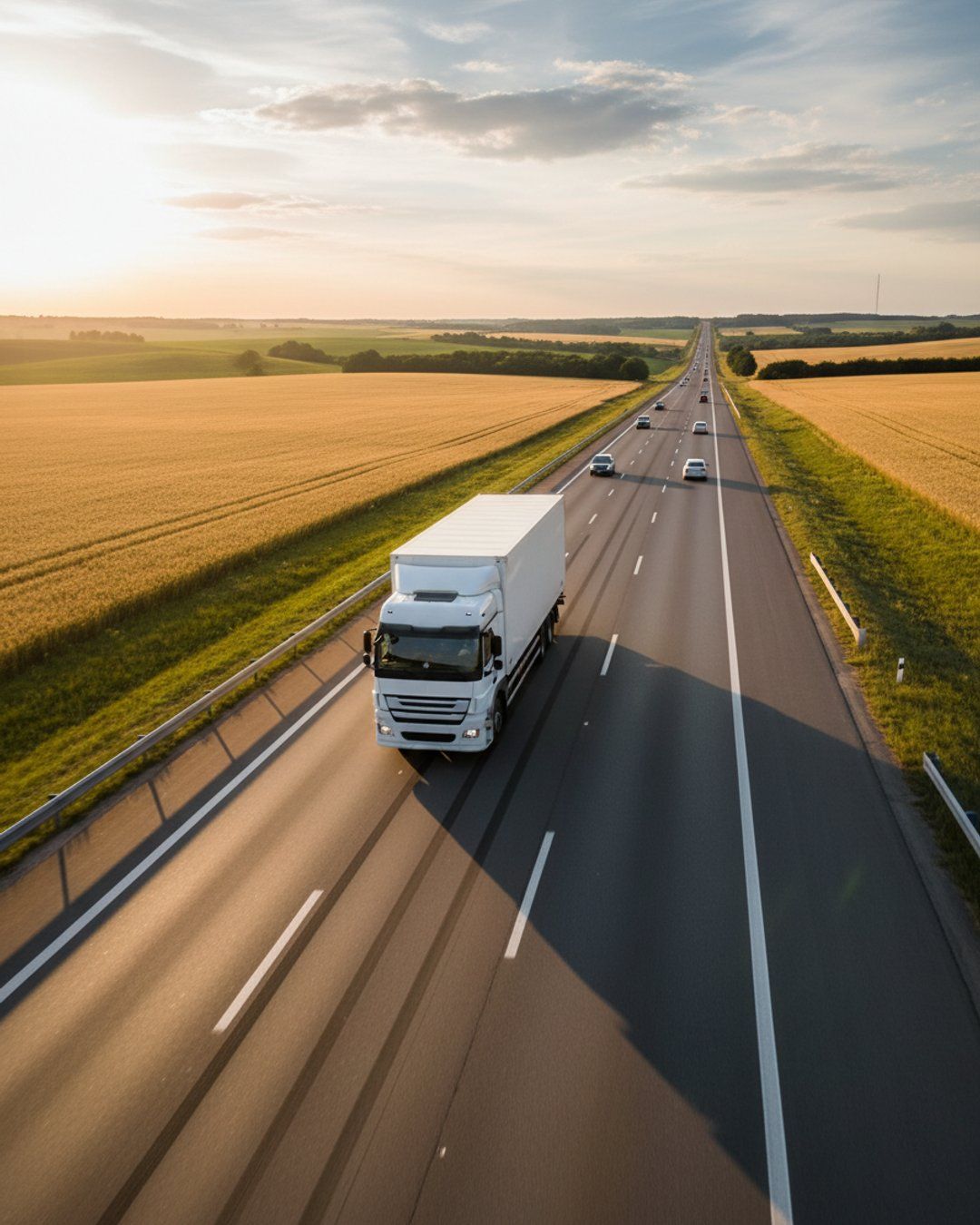
Flipkart Wholesale cuts delivery costs 6% with automated dispatching
- Flipkart cuts logistics costs by 6%
- Replacing manual dispatching
- Vehicles spend 10% less time idle
The story
Flipkart cuts logistics costs by 6%
The ecommerce giant reduced its vehicle fleet by 8% across India while keeping delivery speeds at the same high level.
Replacing manual dispatching
Flipkart Wholesale manages 26 stores and a cross-dock facility. Previously, these locations relied on fragmented, manual processes to move goods.
By adopting a unified digital workflow from SaaS provider Far Eye, the company now handles over 200,000 monthly orders through a single automated platform.
Vehicles spend 10% less time idle
New automated planning tools have reduced the amount of time delivery trucks sit empty or waiting by 10%.
Ending the paperwork headache
- Automated e-way bill generation removes manual compliance steps.
- Real-time routing reduces unnecessary mileage and fuel costs.
- Digital payment collection speeds up the final delivery stage.
- Integrated dispatching connects all 26 stores in a single network.
Modernizing 14 million small shops
Logistics technology is becoming vital as 1.4 crore small Indian retailers move their wholesale shopping to digital platforms.
Flipkart Wholesale has successfully reduced its logistics expenses by 6% by implementing a new AI-powered digital workflow. The company partnered with the SaaS platform Far Eye to digitize its entire supply chain, covering 26 stores and one cross-dock facility across India.
The transition has significantly improved fleet productivity. Flipkart now operates with 8% fewer vehicles than before without any drop in delivery efficiency. This was achieved by replacing manual and fragmented dispatch processes with an automated system that handles more than 200,000 orders every month.
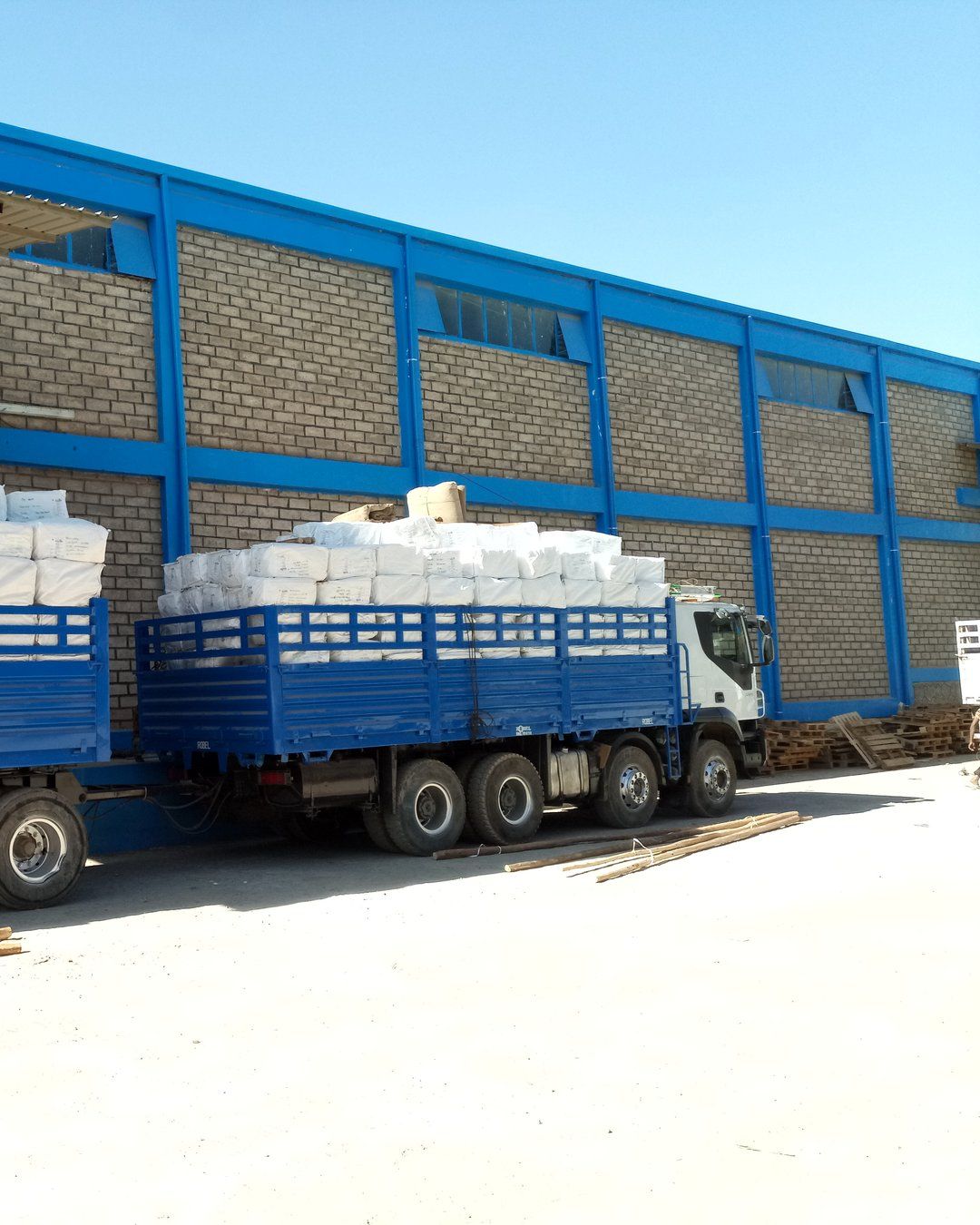
Beyond just costs, the new system has reduced vehicle idle time by 10%. By matching vehicle deployment to real-time operational needs and automating compliance tasks like e-way bill generation, the company has removed major bottlenecks in its daily operations.
This modernization comes at a critical time for the Indian market. Local kirana stores, which number over 1.4 crore, account for roughly 75% to 80% of the country's fast-moving consumer goods sales. As these traditional retailers shift toward online procurement, efficient logistics have become the deciding factor in market competition.
Source: YourStory ↗
Photos: President's Malaria Initiative, Public domain; McKay Savage from London, UK, CC BY 2.0
Illustration: AI-generated



Comments