

Hackers and bank outages trap millions for India’s crypto traders
- Withdrawals stall in India
- Banks pull the plug
- Millions lost to hackers
The story
Withdrawals stall in India
Customers at three major exchanges are struggling to access their money as banking partners cut off vital payment links.
Banks pull the plug
Coinbase, CoinDCX and ZebPay users face rupee withdrawal delays of up to 72 hours as partner banks upgrade their systems.
Millions lost to hackers
Security gaps have led to massive thefts across the industry. CoinDCX lost roughly $16 million in stablecoins from old wallet infrastructure.
Unocoin also reported a $200,000 loss after attackers compromised its backup keys. The exchange warned that customer data, including home addresses and passwords, may have been exposed.
AI shifts the battlefield
Cybersecurity experts warn that AI is now being used to find vulnerabilities that humans miss.
A threat actor named "Crafty Falcon" is reportedly using machine intelligence to exploit payment APIs. Attackers are also targeting employees' laptops with fake job offers to gain entry into exchange systems.
Regulators step up pressure
The Enforcement Directorate is investigating several platforms for alleged unauthorized cross-border transactions.
These probes have spooked market makers, who provide the liquidity needed for trading. As these providers pull back, the cost of buying stablecoins has spiked by over 8% on domestic platforms.
Push for tighter rules
Industry leaders want rules like Japan's or Hong Kong's, where exchanges keep at least 95% of customer assets in offline cold storage.
India’s cryptocurrency industry is facing a period of intense turbulence as technical failures and security breaches collide. Users of major platforms including Coinbase, CoinDCX, and ZebPay have reported significant delays in withdrawing their funds. These disruptions are largely due to banking partners changing their processing systems to defend against new types of cyber threats.
Beyond banking issues, the sector is reeling from high-profile thefts. CoinDCX recently lost about $16 million after hackers targeted retired wallet infrastructure. Meanwhile, Unocoin suffered a breach that compromised backup signing keys, leading to a $200,000 loss and the potential leak of sensitive customer data like addresses and encrypted passwords.
Security experts note that the nature of these attacks is changing. Artificial intelligence is now being used by hackers to scan for software weaknesses at a speed and scale impossible for humans. Authorities have specifically flagged a group called Crafty Falcon for using AI to manipulate payment records and execute unauthorized transfers.
Government scrutiny is also tightening. The Enforcement Directorate has searched premises linked to several exchanges over claims of unauthorized international money transfers. This regulatory pressure has caused some liquidity providers to exit the market, making it more expensive for everyday users to trade.
To prevent future collapses, experts are urging the government to create a dedicated crypto framework. Suggested rules include forcing exchanges to keep the vast majority of customer assets in offline storage and requiring independent audits. For now, traders are left navigating a landscape of rising fees and uncertain access to their cash.
Source: Inc42 Media ↗

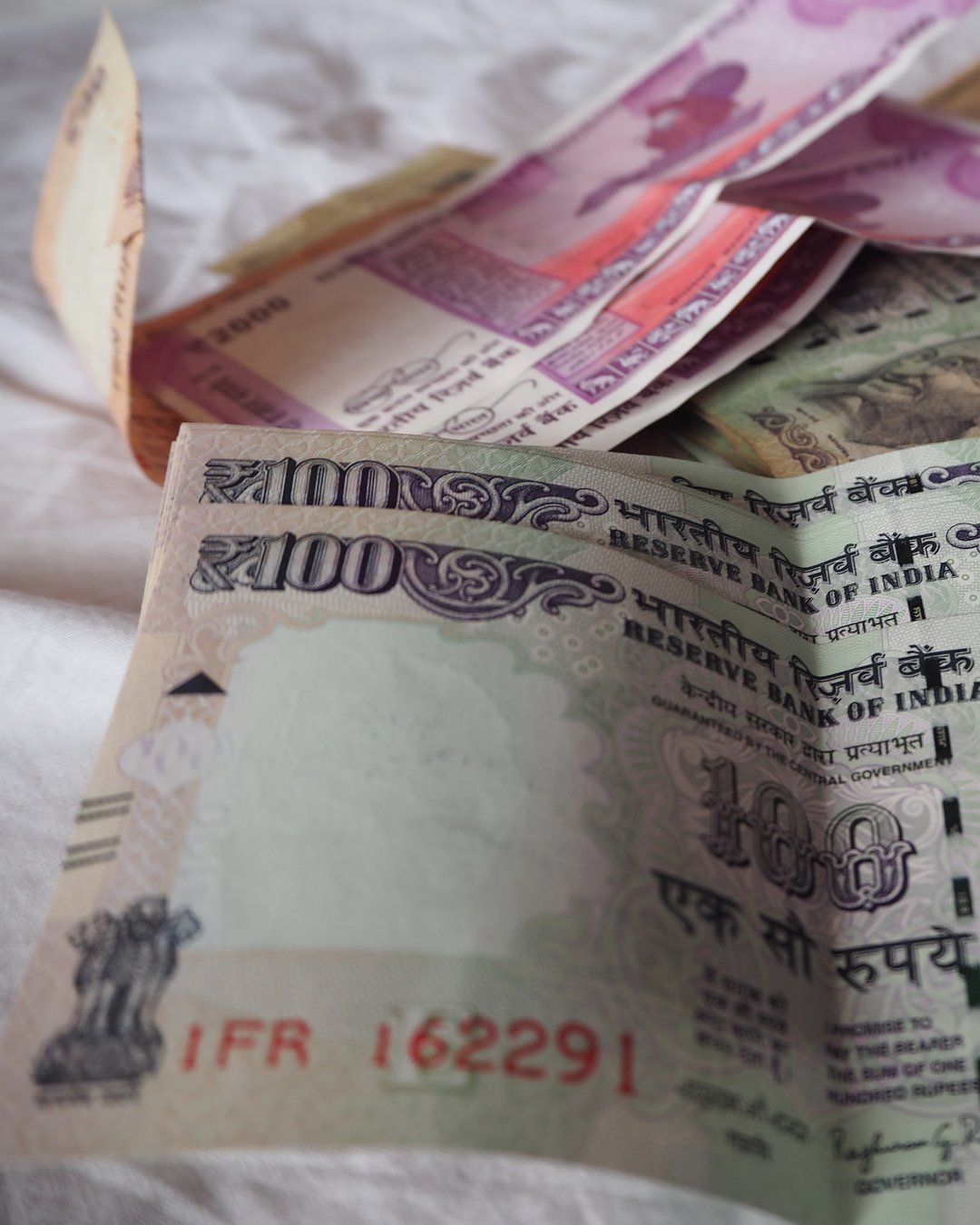
Photo: Monito - Money Transfer Comparison, CC BY 2.0
Illustration: AI-generated





Comments