
Open-weight models force a hard choice on AI hosting
- Should you own your AI or rent it?
- Staffing often costs more than chips
- US law follows your data abroad
By the numbers
- SOC 2
- Compliance standardA key security report provided by major cloud platforms
- H100
- High-end GPUsCommon hardware used for running powerful AI models
The story
Should you own your AI or rent it?
New open-weight models let firms run the same AI on their own servers or in the cloud, sparking a debate over control.
Staffing often costs more than chips
While renting cloud power seems pricey, managing your own hardware carries hidden costs. Experts warn that the payroll for engineers required to keep high-end GPUs running often exceeds the annual budget for the chips themselves.
For most businesses, cloud providers offer a cheaper entry point by absorbing these heavy staffing burdens.
US law follows your data abroad
Location isn't enough to guarantee privacy.
Cloud wins on sudden scaling
- Elasticity: Cloud systems automatically adjust capacity to meet traffic spikes.
- Efficiency: Businesses avoid paying for idle hardware when demand is low.
- Speed: New instances can be launched in seconds rather than waiting for physical hardware delivery.
- Simplicity: Third-party providers handle complex security audits like SOC 2 reports.
Self-hosting offers total control
Renting a closed API limits you to a fixed interface.
The smart move is a mix of both
Most startups find that a single approach rarely fits every department. Many now use cloud services for unpredictable, public-facing traffic while keeping sensitive or regulated data on internal servers.
Matching the infrastructure to the specific legal and technical needs of each task ensures both flexibility and security.
The rise of open-weight models is changing how companies think about artificial intelligence. Unlike closed systems, these models allow businesses to download the finished weights and biases of an AI and run it anywhere. This creates a strategic crossroads: do you pay a provider like Google or Amazon to run it, or do you build your own infrastructure? This decision now impacts every tech startup planning its hardware budget and data privacy strategy in 2024.
Karthigan Vijey, founder of ChatMakr, notes that this decision is no longer about which model is best, but who is responsible for running it. For many, the choice comes down to the bottom line. While self-hosting avoids per-use fees, it requires specialized staff. In many cases, the salaries for engineers to maintain H100 GPUs actually cost more than the hardware itself. For companies without massive, steady traffic, the cloud is usually the more affordable path.
However, legal exposure is a major factor for those handling sensitive information. Even if a US-based cloud provider has data centers in Europe, they are still subject to the US CLOUD Act. This means American authorities can legally compel access to that data. To avoid this, highly regulated firms often choose to host their own models on private hardware where they have total jurisdiction.

This choice matters because it determines a company's long-term independence and legal risk. If a business builds its entire product on a provider's API, it remains at the mercy of that provider's pricing and compliance standards. Conversely, over-investing in physical hardware can drain capital that a growing firm needs for research and development. Choosing the wrong path can lead to either a massive data breach under foreign laws or bankruptcy from excessive staffing costs.
Scalability and compliance also pull businesses toward the cloud. Cloud platforms offer elasticity, meaning they grow or shrink instantly based on user demand. They also come with pre-built compliance reports, such as SOC 2, which are difficult and expensive for a small startup to achieve on their own. Ultimately, many experts suggest a hybrid approach: use the cloud for scaling and speed, but self-host for the specific parts of the business that require maximum privacy and customization.

Source: Entrepreneur ↗
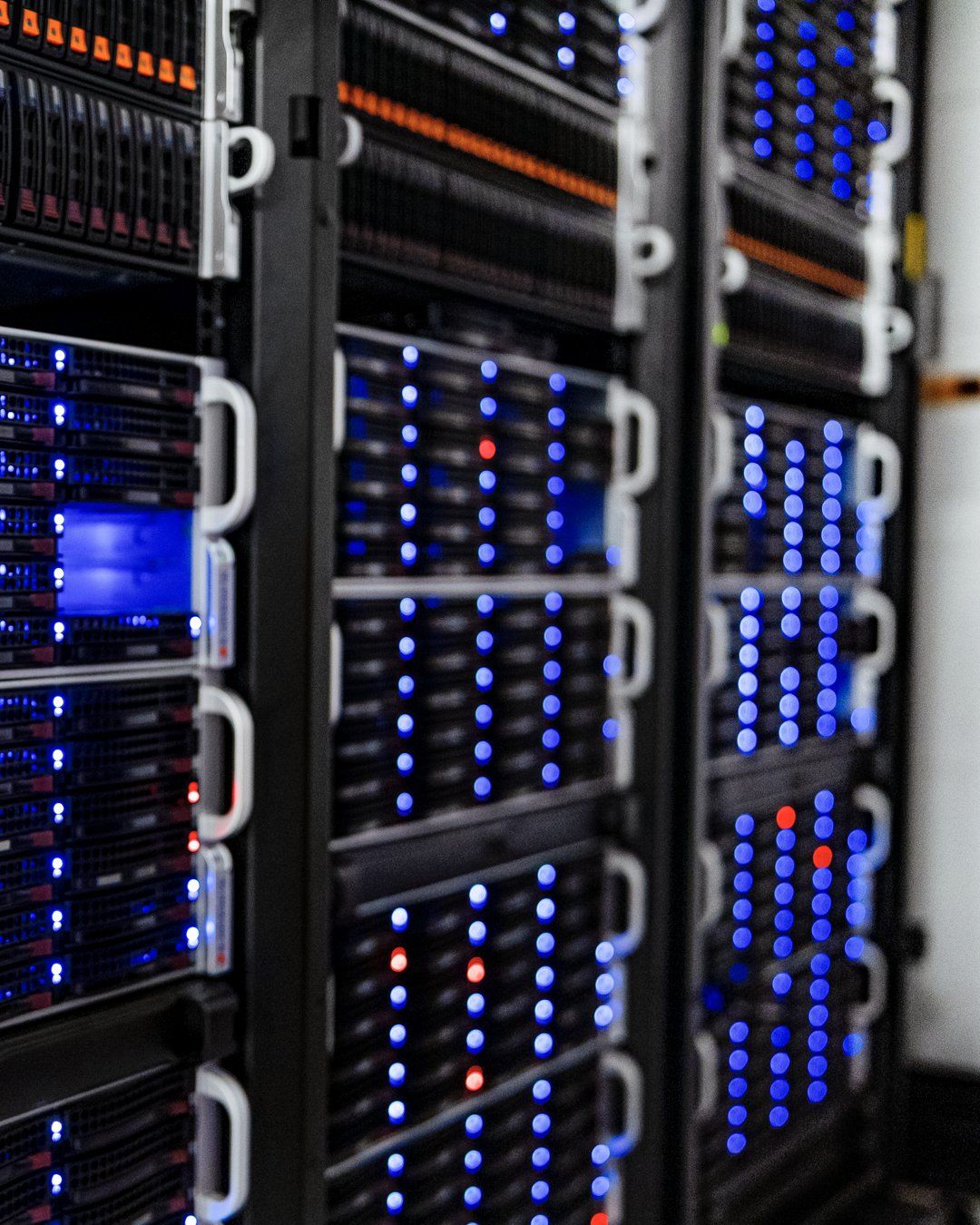
Photo: NOIRLab/NSF/AURA/T. Slovinský, CC BY 4.0
Illustration: AI-generated
Links in this story

 @TimesJetNewsThis story as 7 swipeable cards1/7Open-weight models force a hard choice on AI hosting2/7Cost trapStaffing often costs more than chips3/7



Comments