
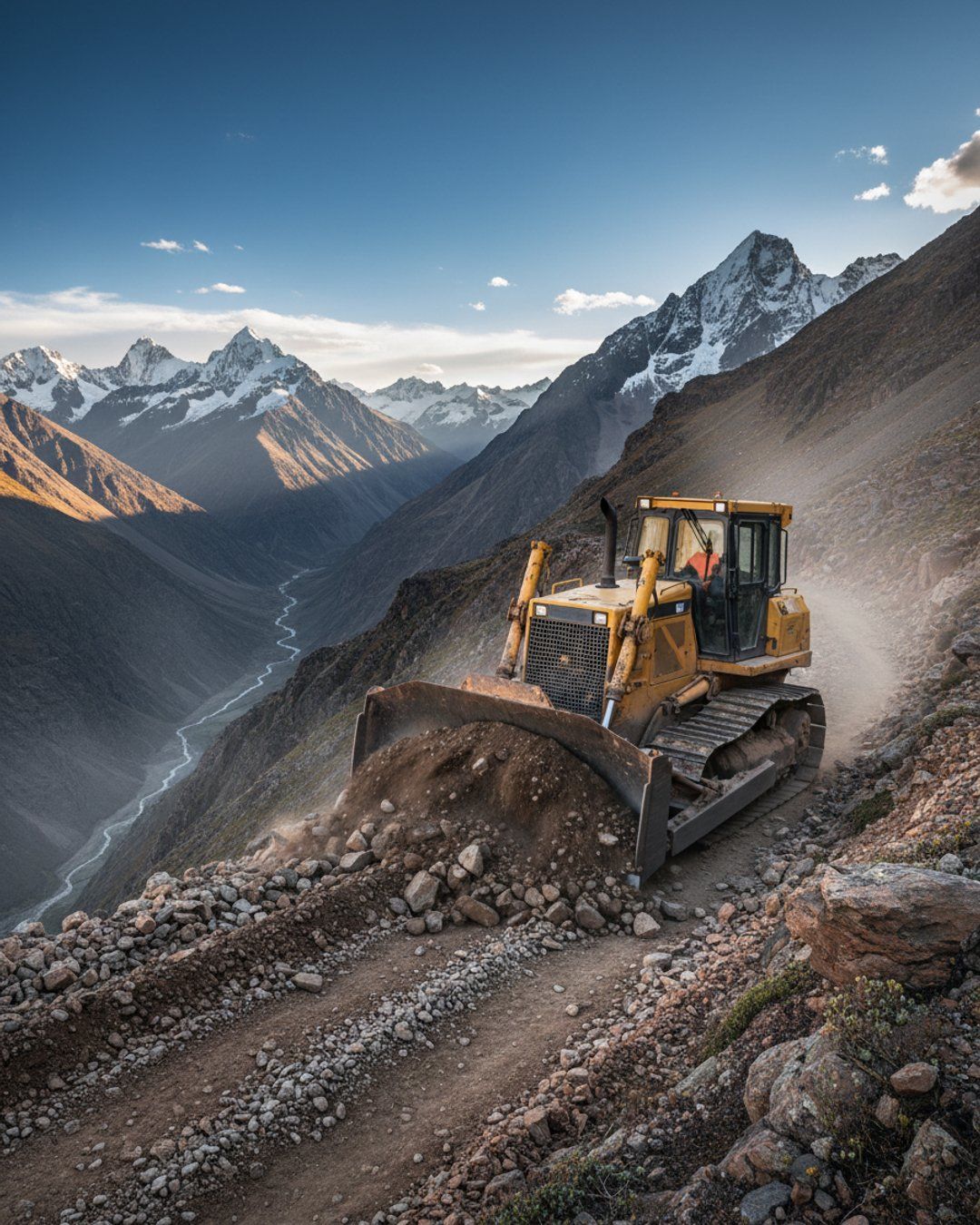
Outrage as heavy machinery reaches Kashmir’s high-altitude Sheshnag Lake
- Bulldozers at Sheshnag Lake
- A disaster in the making
- Widening the pilgrim path
The story
Bulldozers at Sheshnag Lake
Footage of heavy machinery operating near the fragile alpine lake at 11,780 feet has sparked a wave of public and political backlash in Jammu and Kashmir.
A disaster in the making
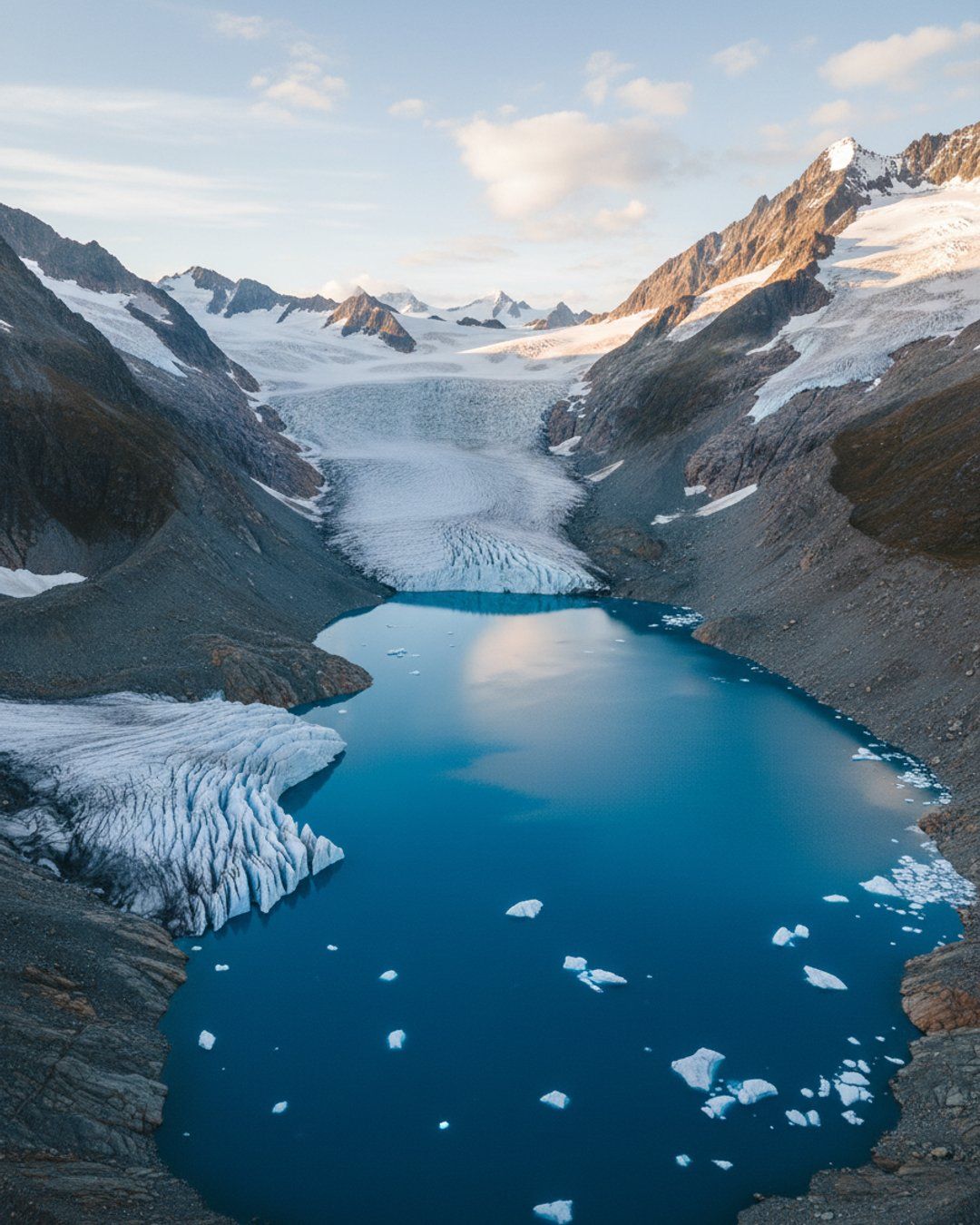
Sheshnag Lake is an oligotrophic alpine body fed by glaciers and surrounded by loose moraine slopes.
Widening the pilgrim path
The Border Roads Organisation says the work is necessary to widen the Amarnath Yatra pilgrimage route for safety. They claim the excavation is confined to existing tracks and follows strict environmental safeguards, including the safe disposal of soil and debris to protect the natural drainage of the mountain landscape.
A sacred site under threat
- Religious significance: In Hindu tradition, Lord Shiva left his serpents at Sheshnag before reaching the Amarnath cave.
- Local impact: The lake feeds the Lidder River, which provides drinking water and irrigation for the valley below.
- Wildlife: The construction zone is home to rare species like brown bears and snow leopards.
Retreating glaciers at risk
Kashmiri leaders and environmentalists are calling for an immediate halt to the project. They argue that development in the high Himalayas must be backed by scientific studies and impact assessments. With regional glaciers already retreating, critics say these projects prioritize speed over the survival of a delicate ecosystem.
A viral video showing heavy excavators digging along the shores of Sheshnag Lake in Kashmir has triggered widespread concern. The lake, located at an altitude of about 11,780 feet, is a vital stopover on the Amarnath Yatra pilgrimage route. Environmentalists and political leaders warn that the use of heavy machinery in such a fragile glacial zone could lead to ecological disaster.
Sheshnag is one of 14 high-risk glacial lakes in Jammu and Kashmir prone to outburst floods. The surrounding terrain consists of loose rocks and moraine, making it highly unstable. Critics argue that digging and dumping soil near the shoreline could pollute water sources that feed the Lidder Valley downstream, affecting both aquatic life and local communities.
The Border Roads Organisation (BRO) responded to the outcry by stating that the work is intended to widen and stabilize the trekking route for the safety of pilgrims. The agency maintains that it is following all safety norms and environmental safeguards. However, activists point out that there has been no public disclosure of environmental impact assessments or scientific studies for the project.
Political and religious leaders have joined the protest, noting the sacred status of the lake in Hinduism. They argue that faith and ecology should not be in conflict, and that protecting the landscape is essential to preserving the pilgrimage itself. They are demanding an immediate halt to the excavation and an independent review by glaciologists to prevent permanent damage to the mountain heritage.
Source: outlookindia.com, The Wire, The Hindu ↗
Illustration: AI-generated






Comments