

UN diplomats fail to agree on global rules for autonomous 'killer robots'
- No deal on killer robots
- More years of discussion
- Major nations block progress
The story
No deal on killer robots
Diplomats at the UN failed to reach an agreement on regulating autonomous weapons after a week of difficult negotiations in Geneva.
More years of discussion
The Red Cross and UN chief urged binding rules within a year, but countries only agreed to 2 more years of talks.
Major nations block progress
- Russia delayed the week by objecting to the meeting agenda.
- The US suggested a 5-year window for nonbinding guidelines.
- Israel joined the US and Russia as the primary holdouts against strict, mandatory regulations.
Civilian lives at risk
Aid groups say semi-autonomous drones and robots are already linked to civilian deaths in Ukraine, Gaza and Sudan.
Rules might be optional
The compromise reached in Geneva leaves the door open for future regulations to be voluntary. This worries advocates who believe only legally binding international laws can prevent the uncontrolled spread of lethal AI technology on the battlefield.
UN diplomats meeting in Geneva this week failed to establish firm rules for autonomous weapons, often called killer robots. Despite a week of negotiations, representatives only agreed to start discussing options for future regulations. This delay comes despite warnings from the Red Cross and the UN secretary-general that binding laws are needed within a year.
The timeline for action has now been pushed back significantly. Countries will have two years just to propose potential rules. Critics note that actual enforcement could take much longer, and some of the rules may end up being optional rather than mandatory.
Progress was largely blocked by a few powerful nations. Russia stalled the proceedings by objecting to the initial agenda, while the United States proposed a five-year window to discuss nonbinding guidelines. Israel also joined the group of nations obstructing a stricter agreement.

Humanitarian organizations emphasize that the danger is not theoretical. Semi-autonomous drones and weapons are already being used in conflicts in Ukraine, Sudan, and Gaza. These systems have been responsible for a significant number of civilian deaths, leading to calls for immediate international oversight.
Source: The Verge ↗
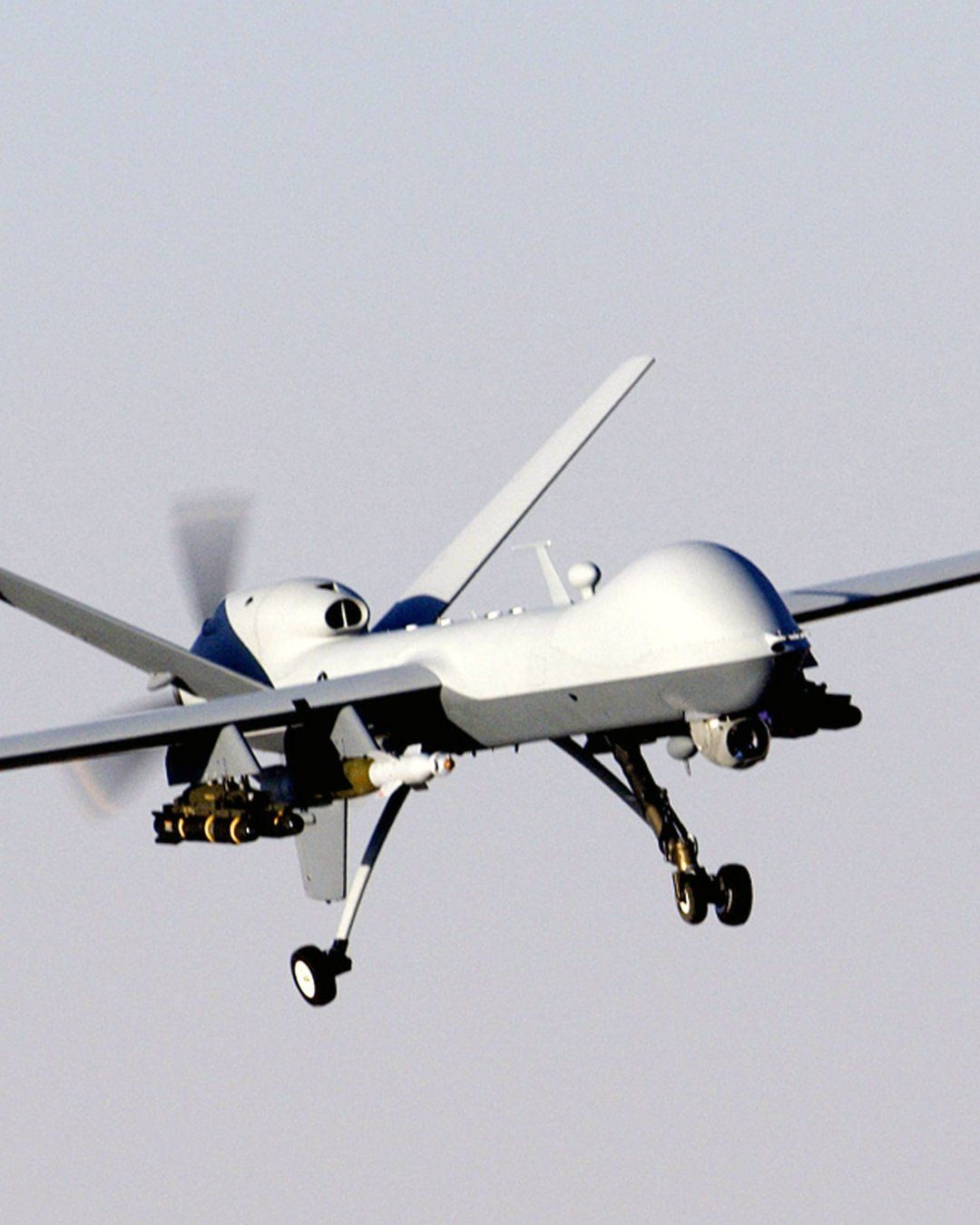
Photo: Maina Kiai from Nairobi, Kenya, CC BY 2.0
Photo: U.S. Air Force photo/Staff Sgt. Brian Ferguson, Public domain





Comments