

Vibe-coding is turning every regular gadget into a hacker's dream
- Your devices are now fully customizable
- Fixing the messy TV interface
- Giving cameras and synths new life
The story
Your devices are now fully customizable
Vibe-coding lets anyone use AI to rewrite hardware firmware and strip away annoying ads or bloatware.
Fixing the messy TV interface
Frustrated by ads on his Xiaomi TV, developer Gathin T used Claude Code to redesign the interface.
By prompting the AI to navigate permissions and debug modes, he created a clean, ad-free home screen in 90 minutes. His project, CleanYourTV, became a viral hit for others wanting simpler screens.
Giving cameras and synths new life
Photography fans are using AI to add high-resolution recording and custom color profiles to aging camera hardware.
The danger of 'bricking' your tech
Hacking hardware with AI-generated code almost always voids the manufacturer warranty.
Experts warn that users risk turning expensive electronics into "paperweights" if the code fails. If a vibe-coded firmware crash happens, customer support won't help; you will have to ask the AI to fix its own mistakes.
Building bespoke gadgets from scratch
Inexpensive ESP32 modules are becoming the go-to hardware for building hyper-specific tools like sea-condition monitors.
Manufacturers are starting to fight back
- **Lockdowns**: Companies are adding more invasive digital rights management (DRM) to block hackers.
- **Streaming**: Some may move features to the cloud so users can't access the local code.
- **Legal Action**: Firms are pursuing intellectual property claims to protect their proprietary software.
Always test in a safe sandbox
Vibe-coding pioneers recommend testing all AI-generated hacks on a secondary computer or a cheap, non-essential device.
The era of "vibe-coding" is moving from software to the physical world. While tech enthusiasts have always hacked their gear, large language models (LLMs) like Claude Code have made the process accessible to everyone. Users are now prompting AI to find hidden APIs and unpack firmware, allowing them to customize everything from dishwashers to luxury cars.
Television interfaces have become a primary target. Many modern sets are cluttered with ads and complex menus that are hard to navigate. By using AI to automate the debugging process, users are stripping away these commercial layers. Because many home gadgets run on Android, the same prompts can often be adapted to work across different types of household hardware.

Music and photography are also seeing a revolution. Musicians are using AI to turn cheap synthesizers into powerful professional gear, while photographers are unlocking advanced recording features on older cameras. Some companies, like M-Vave, are embracing this by releasing open-source firmware, but others are tightening security to prevent users from modding their devices.
This movement has birthed a new market for "hacker-friendly" hardware. Cheap modules like the ESP32 or Raspberry Pi allow people to build dedicated devices for single tasks, like a digital family shopping list or a DJ system monitor. These modules provide a safer way to experiment without risking the primary smartphone or computer that a person relies on daily.

However, the risks remain high. Modifying firmware is a complex task that can easily lead to permanent hardware failure. Early adopters suggest a "sandbox" approach: never give an AI bot access to a device you cannot afford to lose. As the technology matures, we may see more gadgets sold as simple, open modules designed to be finished by the user's own AI prompts.
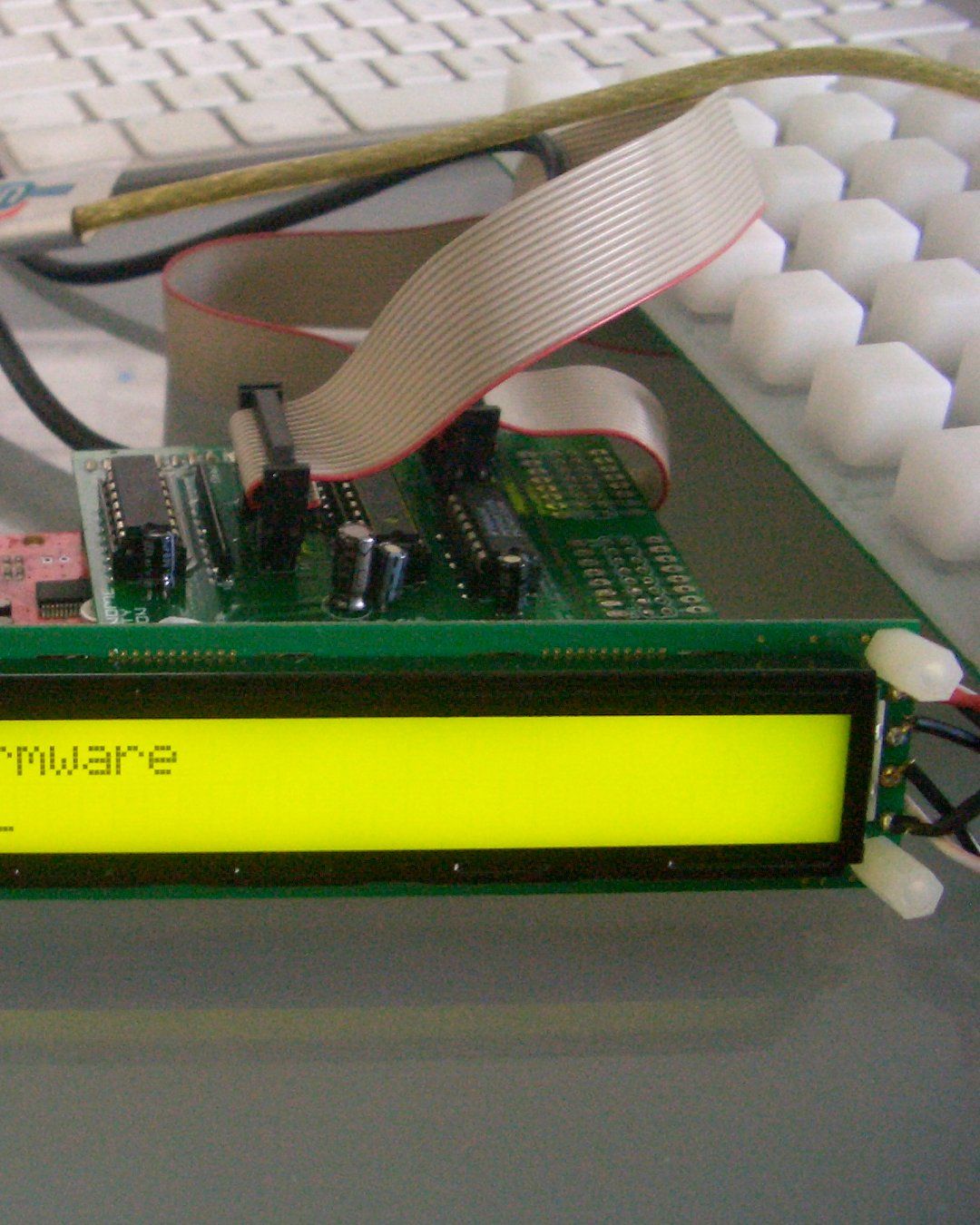
Source: The Verge ↗
Photos: Jernej Furman from Slovenia, CC BY 2.0; Rogi Lensing, CC BY 3.0; Tom Hall, CC BY 4.0; c-g., CC BY 2.0



Comments