
Your giant new OLED television might actually make you feel sick
- A cinema dream turns into a physical headache
- Why OLED displays are the premium choice
- Waves of nausea
The story
A cinema dream turns into a physical headache
A huge OLED screen looks stunning, but some new owners say their first days with it bring nausea and motion sickness.
Why OLED displays are the premium choice
Unlike standard LED screens that use a backlight, OLED technology features millions of self-lighting pixels. This allows for total control over every point of light, creating deep blacks and vibrant colors. While they provide a superior image, they are significantly more expensive and often much brighter than older models.
Waves of nausea
Some new owners of 65-inch-plus screens report feeling nauseous after a day of use, with the feeling lasting for hours.
Looking for the cause of the sickness
Users have investigated several culprits for the dizziness:
- Motion-smoothing settings that create an artificial look
- Excessive brightness levels agitating the eyes
- Sitting too close to a high-resolution panel
- The eyes struggling to track movement across a massive surface
Adapting to giant screens
It usually passes: set brightness to 50%, sit 9 feet from a 65-inch set, and give your brain a few days.
What to know before you bring one home
A 65-inch screen can easily devour a small living room. These units are also fragile and heavy; many lack detailed setup instructions, requiring two people to assemble the base without scratching the glass. Consider your floor plan and assembly help before investing in the largest model available.
Upgrading to a high-end OLED television is often a dream for movie lovers, but the reality can be physically jarring. The technology uses millions of self-lighting pixels to produce intense colors and deep shadows. For some viewers, this massive jump in visual quality leads to sudden waves of nausea and tension headaches.
On community forums, new owners of screens 65 inches and larger report feeling like their new toy is breaking their brain. Some users describe feeling lightheaded for an entire day after watching a single movie. While some blame motion-smoothing settings or sitting too close, others believe the eyes simply struggle to track movement across such a large, bright field of view.
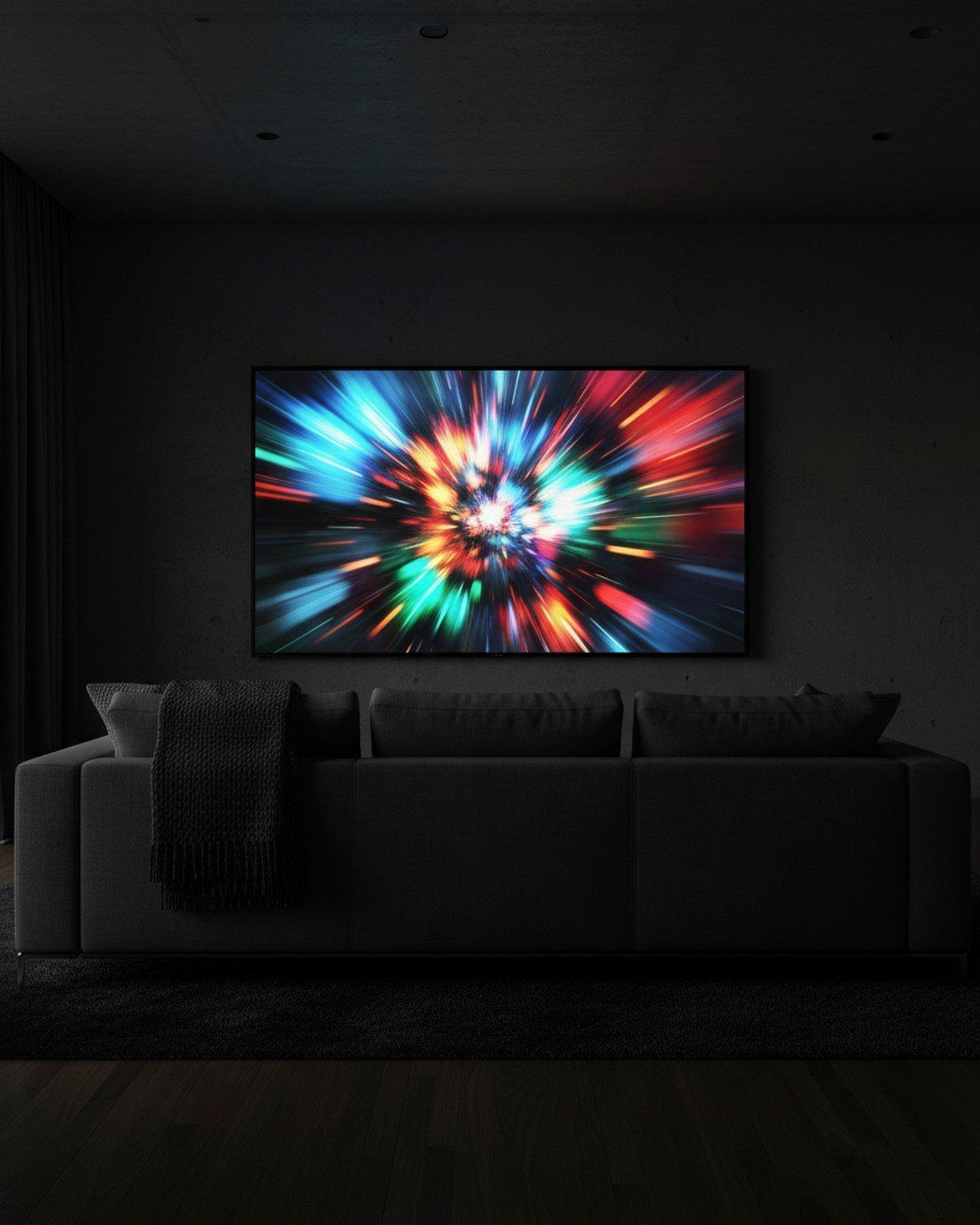
Fortunately, most viewers find that these symptoms disappear after a few days of use. Adjusting the screen brightness to around 50 percent can help ease the transition. Once the eyes and brain adapt to the scale, the sickness typically fades, replaced by the immersive quality the technology is known for.
Beyond the physical reaction, large OLEDs present practical challenges. They are heavy and difficult to install alone, often requiring two people to attach the screen to its base safely. Buyers should also measure their living space carefully, as a screen that looks normal in a store can easily overwhelm a standard room.
Source: TechCrunch ↗
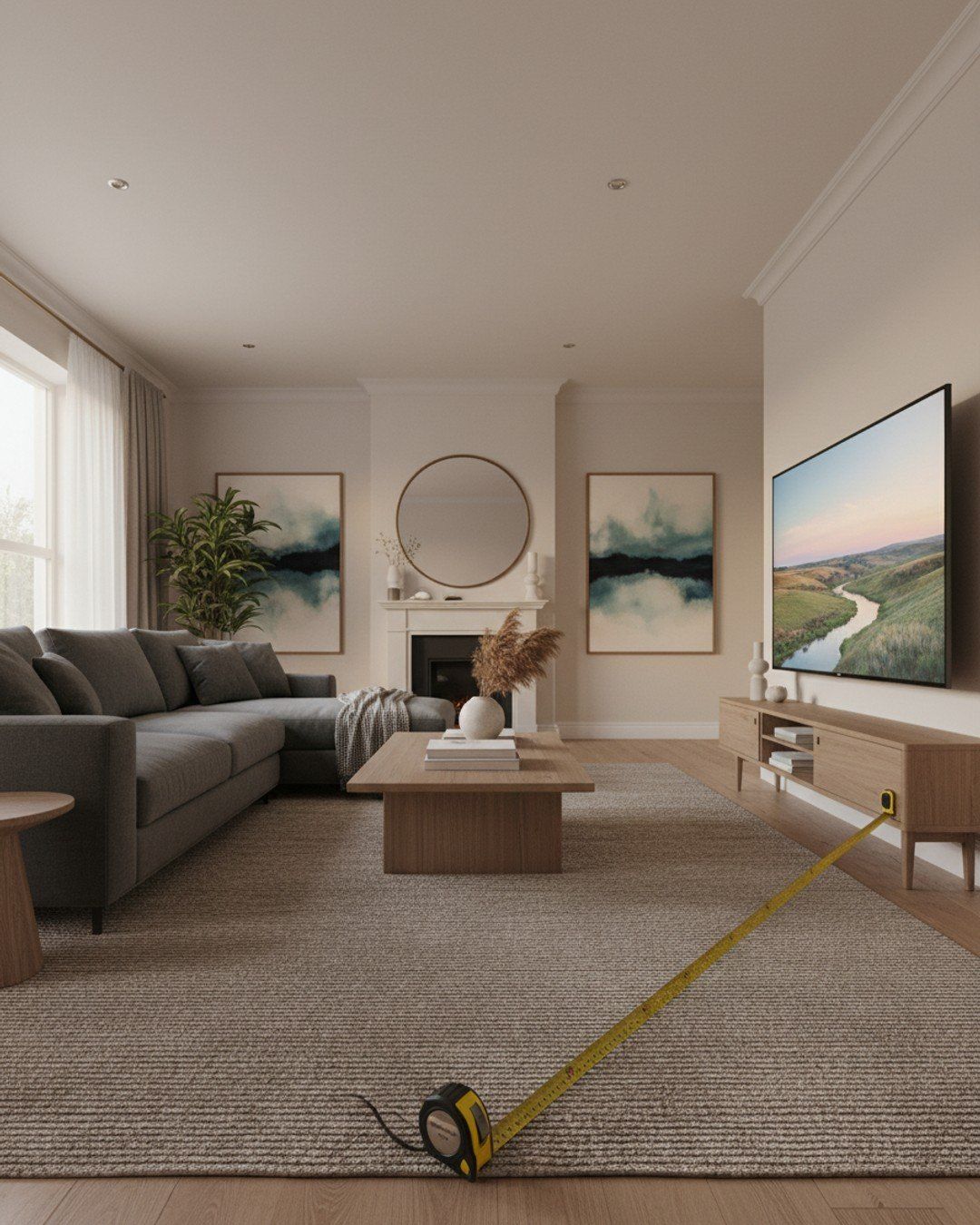
Photo: Casey Fleser from Nashville, TN, CC BY 2.0
Illustration: AI-generated




Comments