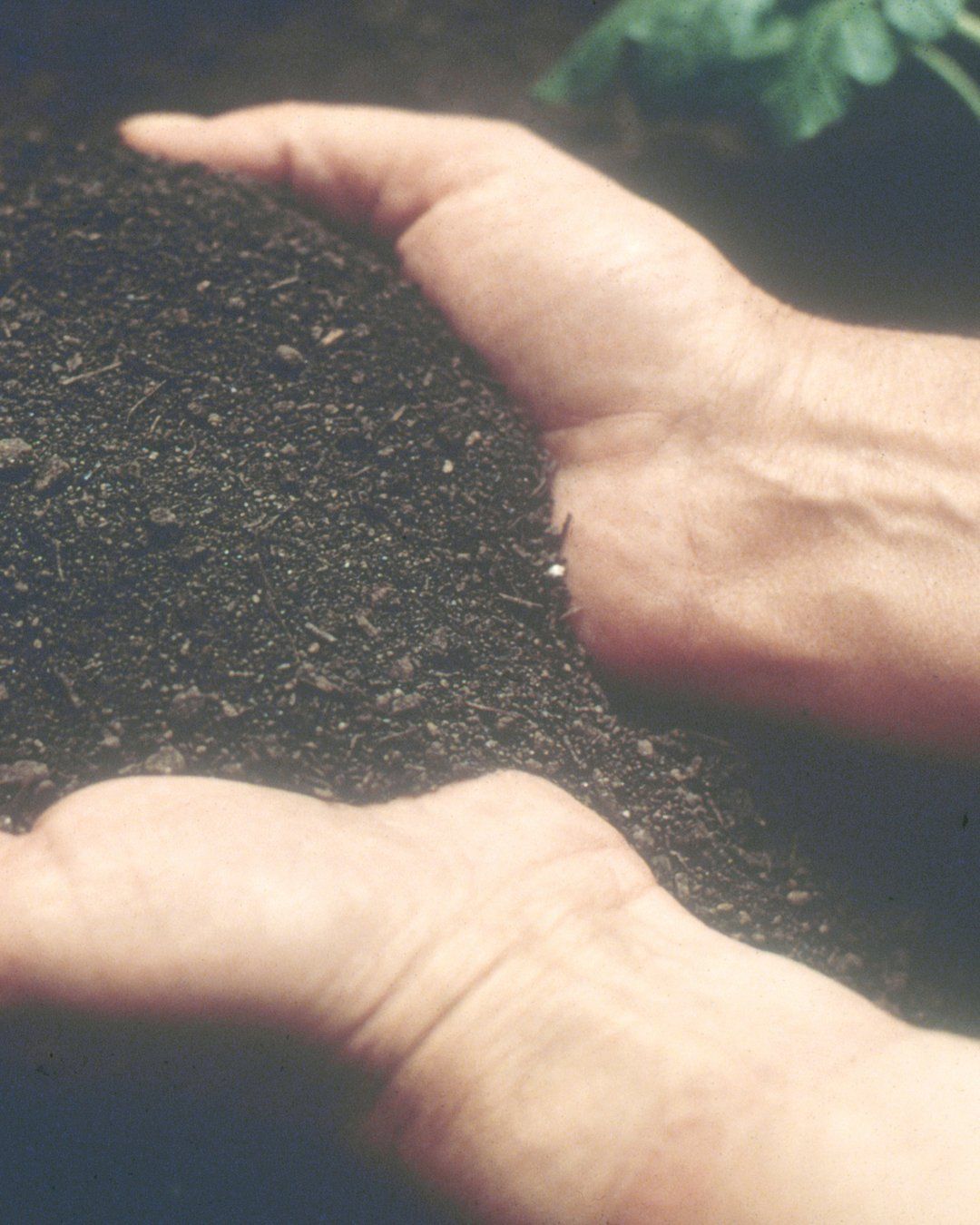
Scientists find sterile soil can still breathe like a living organism
French biochemists found soil stripped of all living microbes kept consuming oxygen and releasing carbon dioxide for over six years.
A quest to find the source
Biochemist Sébastien Fontaine began the experiment 15 years ago. He blasted soil with gamma radiation to kill every microbe, expecting carbon emissions to stop.
Instead, the soil kept "breathing." He tried more radiation, heat, and pressure, but the metabolic activity persisted in the lifeless jars.
Life without living cells
The sterile dirt held four of the eight molecules of the Krebs cycle, the chemistry that normally powers living cells.
Tracking the flow of energy
To prove the activity wasn't an error, the team built a fuel cell. They found that the 5-year-old sterile soil supported an electrical current.
This flow of electrons indicated that the same oxygen-dependent processes that keep us alive were unfolding among the minerals and metals of the dirt.
Chemistry before life
Iron and zinc in soil may drive these reactions, suggesting metabolism existed before the first cells and helped them emerge.
A new look at our world
While some critics suggest dead enzymes might cause the effect, Fontaine notes that no enzyme is known to last six years.
Researchers are now looking for other biological cascades in nature that may have prebiotic origins, hidden right under our feet in the terrestrial soil.
You've read all 6 cards
The full story has moreScientists find sterile soil can still breathe like a living organism
- The complete story, start to finish
- 1 link to go deeper
- Comments and what to read next