
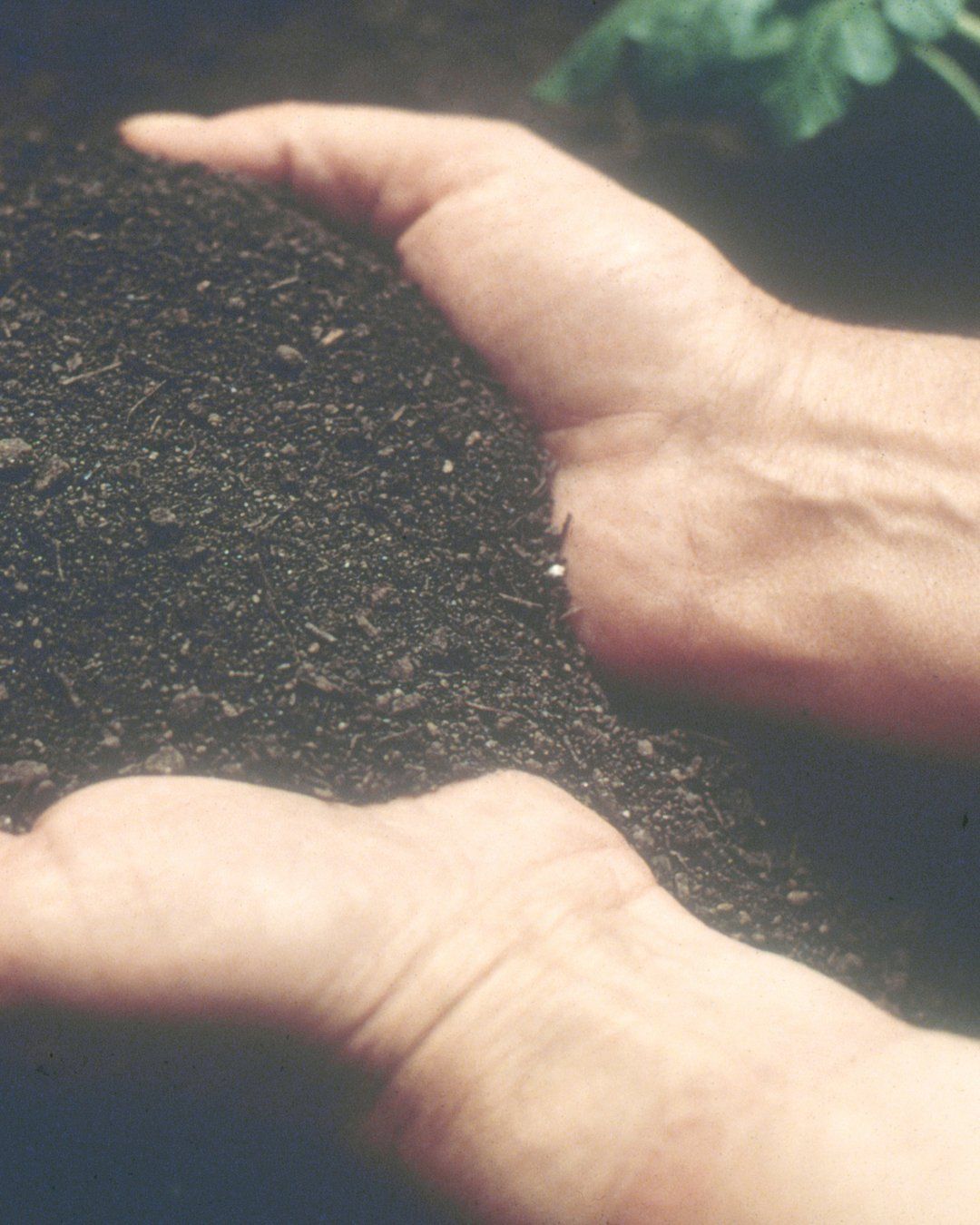
Scientists find sterile soil can still breathe like a living organism
- The dirt that would not die
- A quest to find the source
- Life without living cells
The story
The dirt that would not die
French biochemists found soil stripped of all living microbes kept consuming oxygen and releasing carbon dioxide for over six years.
A quest to find the source
Biochemist Sébastien Fontaine began the experiment 15 years ago. He blasted soil with gamma radiation to kill every microbe, expecting carbon emissions to stop.
Instead, the soil kept "breathing." He tried more radiation, heat, and pressure, but the metabolic activity persisted in the lifeless jars.
Life without living cells
The sterile dirt held four of the eight molecules of the Krebs cycle, the chemistry that normally powers living cells.
Tracking the flow of energy
To prove the activity wasn't an error, the team built a fuel cell. They found that the 5-year-old sterile soil supported an electrical current.
This flow of electrons indicated that the same oxygen-dependent processes that keep us alive were unfolding among the minerals and metals of the dirt.
Chemistry before life
Iron and zinc in soil may drive these reactions, suggesting metabolism existed before the first cells and helped them emerge.
A new look at our world
While some critics suggest dead enzymes might cause the effect, Fontaine notes that no enzyme is known to last six years.
Researchers are now looking for other biological cascades in nature that may have prebiotic origins, hidden right under our feet in the terrestrial soil.
For 15 years, biochemist Sébastien Fontaine has been trying to kill dirt. Working at the French National Institute for Agriculture, Food, and Environment, he wanted to measure carbon release from soil devoid of life. His team sealed soil in jars and used gamma radiation to sterilize it, but the carbon dioxide emissions never stopped.
The team repeated the experiments over a decade, trying harder to kill the samples with heat and pressure. Despite the absence of DNA or RNA, the soil continued to consume oxygen and emit carbon for more than 2,400 days. This led the researchers to propose that metabolism is not exclusive to living things.
Their findings, published in 2025, suggest that a sequence of chemical reactions known as the Krebs cycle can occur outside of a cell. This process, which breaks down sugar for energy, appears to be catalyzed by the minerals and metals found naturally in the earth, such as iron and aluminum oxides.
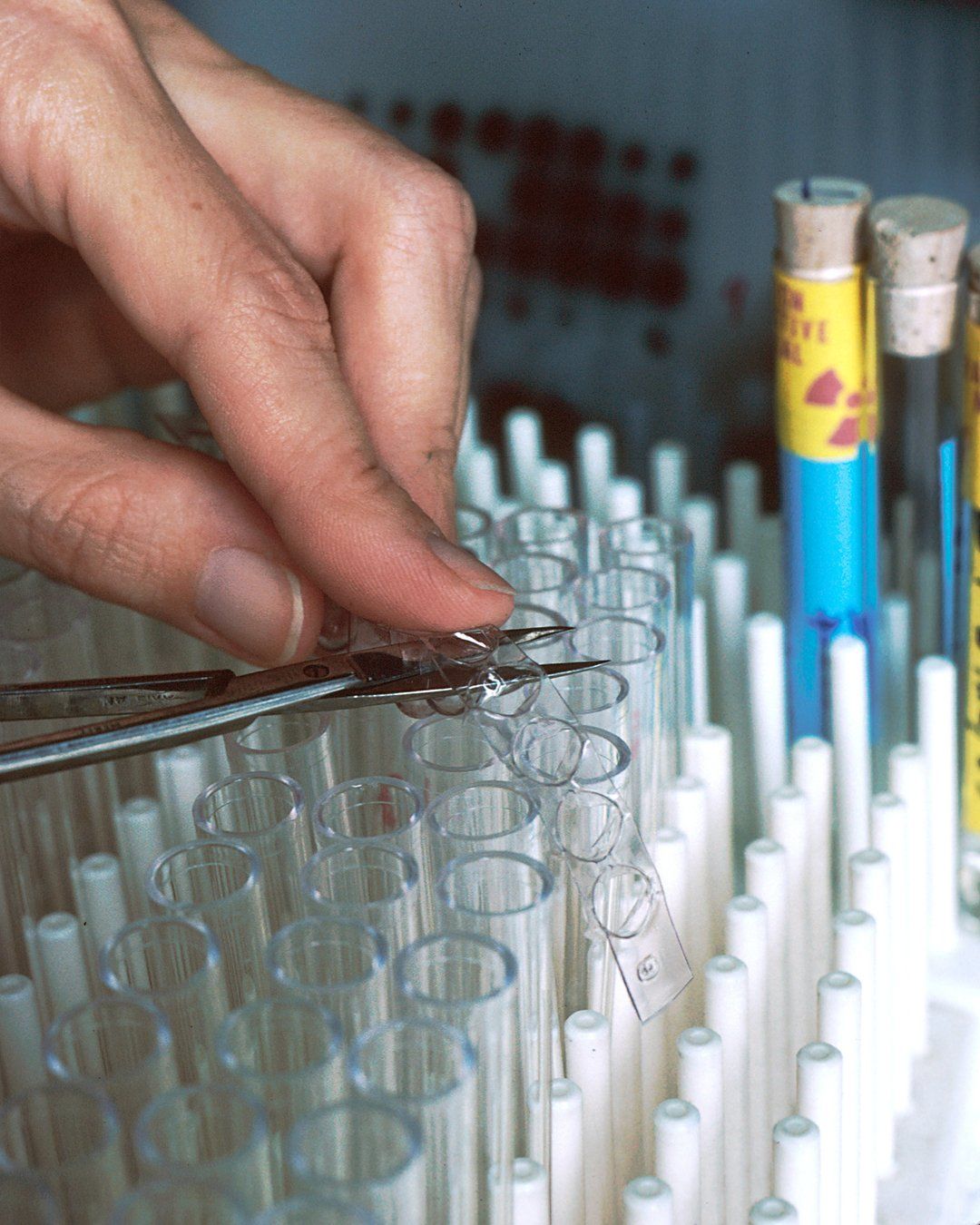
To verify the results, the team used a fuel cell to detect electrons moving through the soil. They found a stable current, proving that the sterile dirt was supporting a flow of energy similar to biological respiration. This suggests that the chemistry of life may actually be the chemistry of geology.
This discovery supports the idea that metabolic reactions predated the arrival of life on Earth. If these complex processes can happen in common soil without biological help, it explains how the building blocks of life were available long before the first cells evolved.
The research highlights how difficult it is to distinguish between living and non-living processes. While some scientists argue that lingering enzymes might be responsible, the team believes the long-term stability of the reactions points to a deeper, prebiotic origin for the chemistry found in the ground.
Source: WIRED ↗
Photo: USDA NRCS Montana, Public domain
Photo: Linda Bartlett, Public domain
Photo: Pseudopanax at English Wikipedia, Public domain
Links in this story
How does this story make you feel?
Read next
 ScienceScotland's £19 billion food sector faces a freezing crisis over net-zero costs
 ScienceUT Austin engineers find a way to make quantum computers 7 times faster
 ScienceTobacco plants could slash the price of life-saving cancer drugs
 ScienceKilauea lava fountains shoot 650 feet high in overnight Hawaii eruption
Comments