
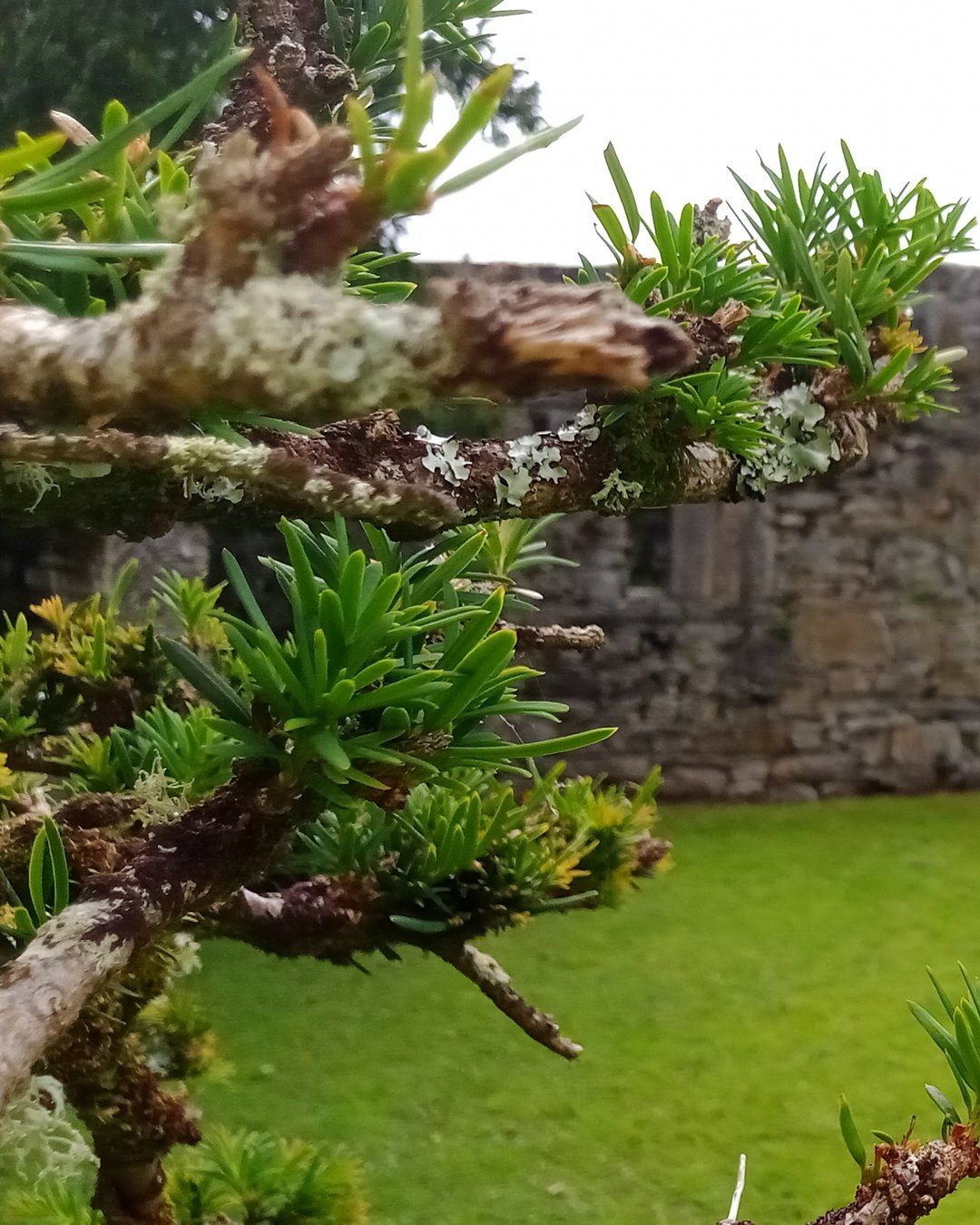
Tobacco plants could slash the price of life-saving cancer drugs
- A new recipe for cancer drugs
- Why treatment is so expensive
- Tobacco plants join the fight
The story
A new recipe for cancer drugs
Researchers have finally decoded the genetic blueprint used by yew trees to produce Taxol, one of the world's most vital cancer medicines.
Why treatment is so expensive
Taxol is currently among the costliest drugs because it is hard to make. Manufacturers must extract raw compounds from yew trees and then use complex chemical reactions to convert them.
While effective for treating breast, lung, and ovarian cancers, the difficult process limits access in many low-income countries.
Tobacco plants join the fight
By moving 20 yew tree genes into fast-growing tobacco plants, scientists successfully turned the leaves into drug-producing factories.
The speed of bio-production
- Tobacco plants grow much faster than traditional yew trees.
- They provide a similar cellular environment for the drug to form.
- Current tests show the plants produce Taxol levels similar to natural bark.
- This method is easier to engineer for large-scale manufacturing.
Lowering costs for everyone
The researchers aim to make Taxol affordable globally, ensuring life-saving treatment is no longer limited by a patient's income or location.
Scaling up the greenhouse
The next challenge is making the genetic changes permanent. Scientists want to create stable plant lines that keep the yew genes forever, allowing for massive production in greenhouses.
They are also exploring fermented yeast as another way to use this new "manual" for cheaper medicine.
Researchers have cracked the code for producing Taxol, a critical cancer drug used to treat breast, lung, and ovarian cancers. Historically, Taxol has been one of the most expensive medicines on the market. It is traditionally made through a complex, multi-step process that extracts compounds from yew trees and subjects them to difficult chemical reactions.
In a study published in Nature Chemical Biology, a team from the University of Copenhagen revealed they have mapped the entire biological pathway the yew tree uses. This discovery provides a complete "recipe" that can be used to grow the medicine in other, more efficient systems like tobacco plants or yeast.
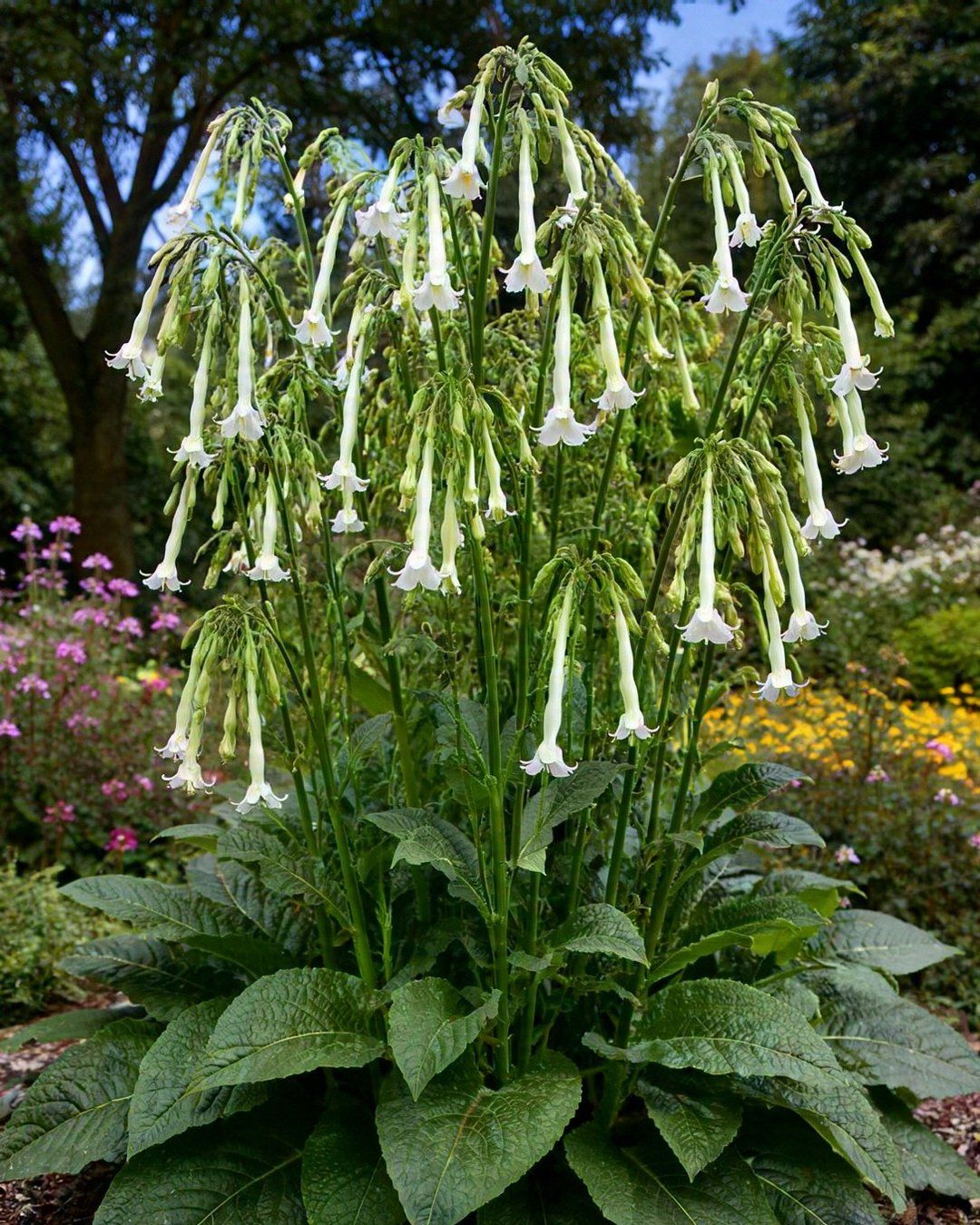
To prove the concept, the team inserted 20 specific yew tree genes into Nicotiana benthamiana, a fast-growing tobacco species. The result was a plant that could produce the drug at levels comparable to natural tree bark. Tobacco is an ideal host because it is easy to engineer and grows much faster than trees.
The ultimate goal is to drive down the cost of cancer treatment. While wealthy nations can afford current prices, many patients in low-income countries cannot. By creating stable, gene-edited plants that can be grown in large greenhouses, the researchers hope to make Taxol accessible to everyone who needs it, regardless of their location.
Source: Phys.org ↗

Photos: A.-K. D., CC0; Steffen Bauer www.saatpilot.de, CC BY 4.0
Illustration: AI-generated
Links in this story

How does this story make you feel?
Read next
 ScienceScotland's £19 billion food sector faces a freezing crisis over net-zero costs
 ScienceUT Austin engineers find a way to make quantum computers 7 times faster
 ScienceKilauea lava fountains shoot 650 feet high in overnight Hawaii eruption
 ScienceNASA’s Webb telescope sees the final hours of a star that exploded 340 years ago
Comments