

UT Austin engineers find a way to make quantum computers 7 times faster
- New tool shifts light for speed
- Computing beyond the binary
- Quantum wells change the color
The story
New tool shifts light for speed
Engineers at UT Austin developed a tool that converts light colors to process quantum information seven times faster than previous methods.
Computing beyond the binary
Traditional computers rely on bits that are either 0 or 1. Quantum computers use "qubits," which exploit physics concepts like superposition to perform many calculations at once.
To move this data, scientists use photons. Controlling how these light particles behave is the key to making machines even more powerful.
Quantum wells change the color
The research team stacked ultrathin layers of semiconductor materials to create "asymmetric coupled quantum wells."
Tuning light to fit the task
While light moves at a constant speed in a vacuum, different materials change its speed and wavelength. By adjusting the thickness and qualities of these semiconductor layers, researchers can "tune" the light to suit specific processing needs.
This precision allows for more complex calculations without increasing the time required.
Shrinking the future of tech
Harnessing light doesn't just increase speed; it also allows for smaller device sizes.
A massive joint effort
- Led by the Cockrell School of Engineering at UT Austin
- Involved collaboration with 7 other institutions
- Findings published in the journal Optica
- Proven 7 times more effective than existing light-conversion tools
Researchers at the University of Texas at Austin have developed a new tool that could dramatically increase the speed of quantum computing. By using stacked, ultrathin layers of semiconductor materials, the team created "asymmetric coupled quantum wells" that control the color of light. This method proved to be over 7 times as effective as previous light-conversion materials.
Quantum computers process information using qubits, which go beyond the binary 1s and 0s of traditional computing. These machines rely on photons to carry information, meaning the speed and control of light are vital to their performance. While the speed of light is constant in a vacuum, passing it through specific materials allows scientists to alter its wavelength and gain control over the computing process.
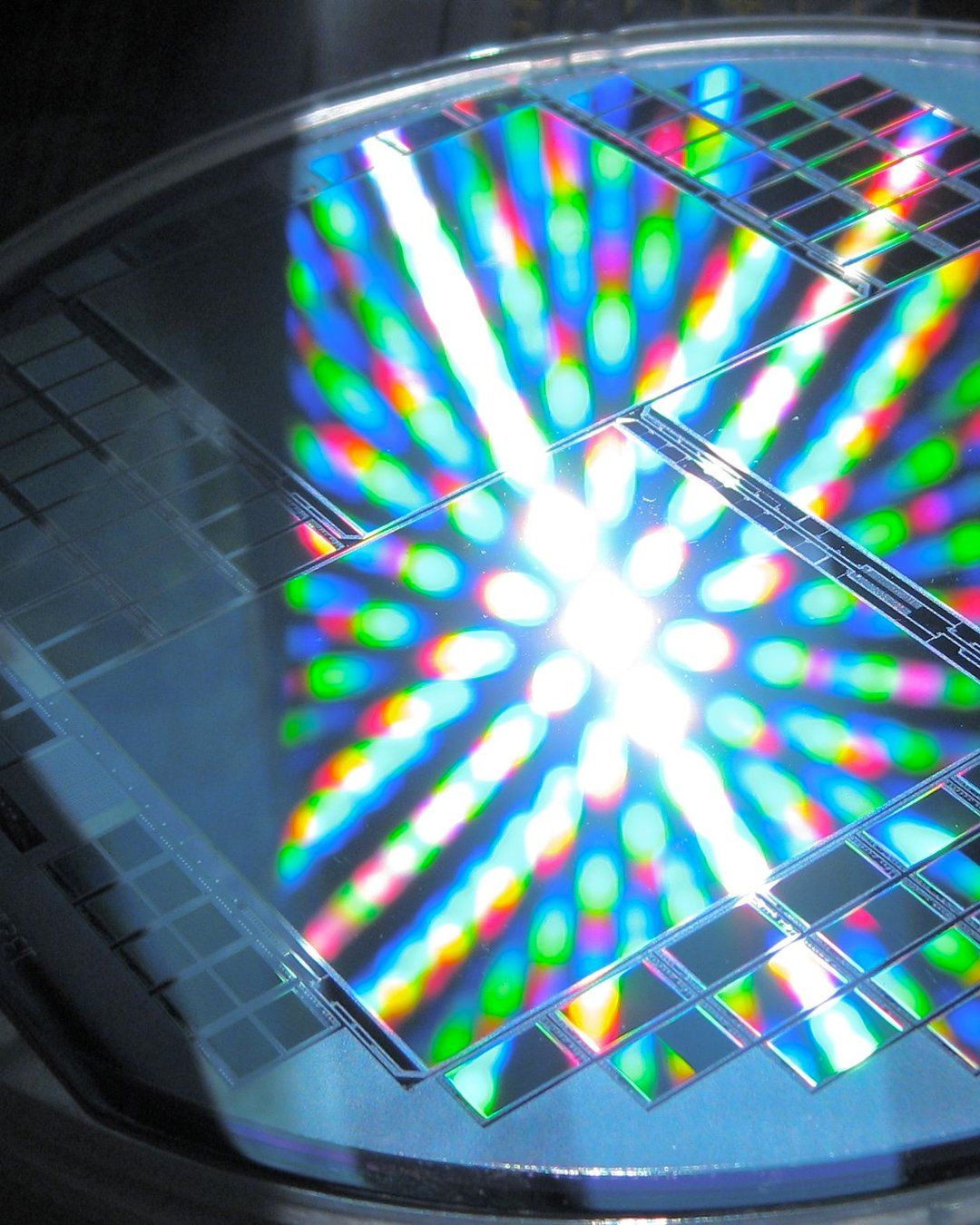
The ability to "tune" these materials means that quantum devices can become more efficient and smaller in size. This scalability is a major hurdle in quantum research. By improving how light is converted and managed, the engineers are paving the way for larger, faster quantum systems that can solve problems current supercomputers cannot handle.
The project was a massive collaboration between UT Austin's Cockrell School of Engineering and seven other institutions. Their findings, published in the journal Optica, represent a significant step forward in optical nonlinearities and quantum hardware design.
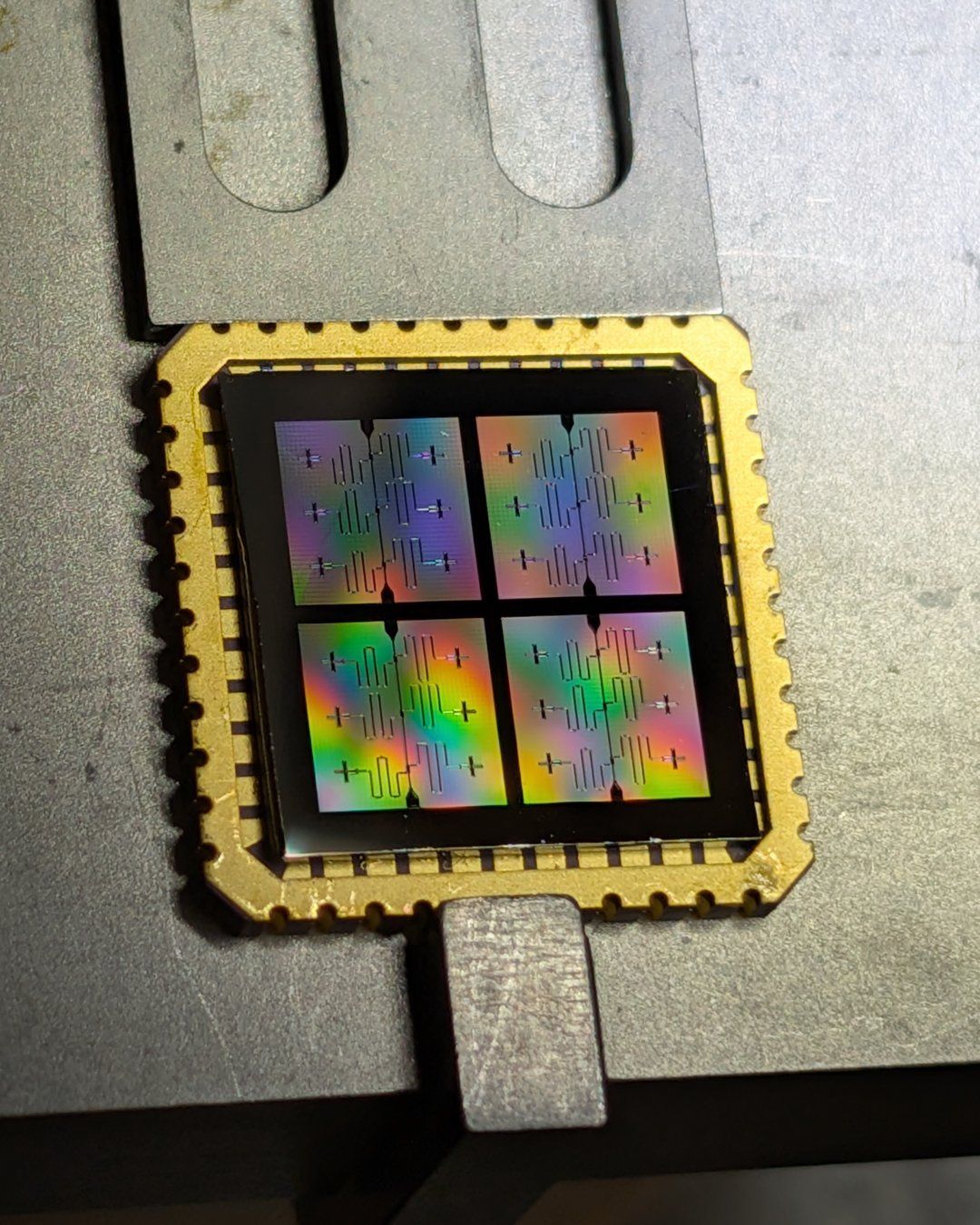
Source: Phys.org ↗
Photos: Windell Oskay, CC BY 2.0; Sobolishko, CC BY 4.0; OJB Quantum, CC BY 4.0
Links in this story

How does this story make you feel?
Read next
 ScienceScotland's £19 billion food sector faces a freezing crisis over net-zero costs
 ScienceTobacco plants could slash the price of life-saving cancer drugs
 ScienceKilauea lava fountains shoot 650 feet high in overnight Hawaii eruption
 ScienceNASA’s Webb telescope sees the final hours of a star that exploded 340 years ago
Comments