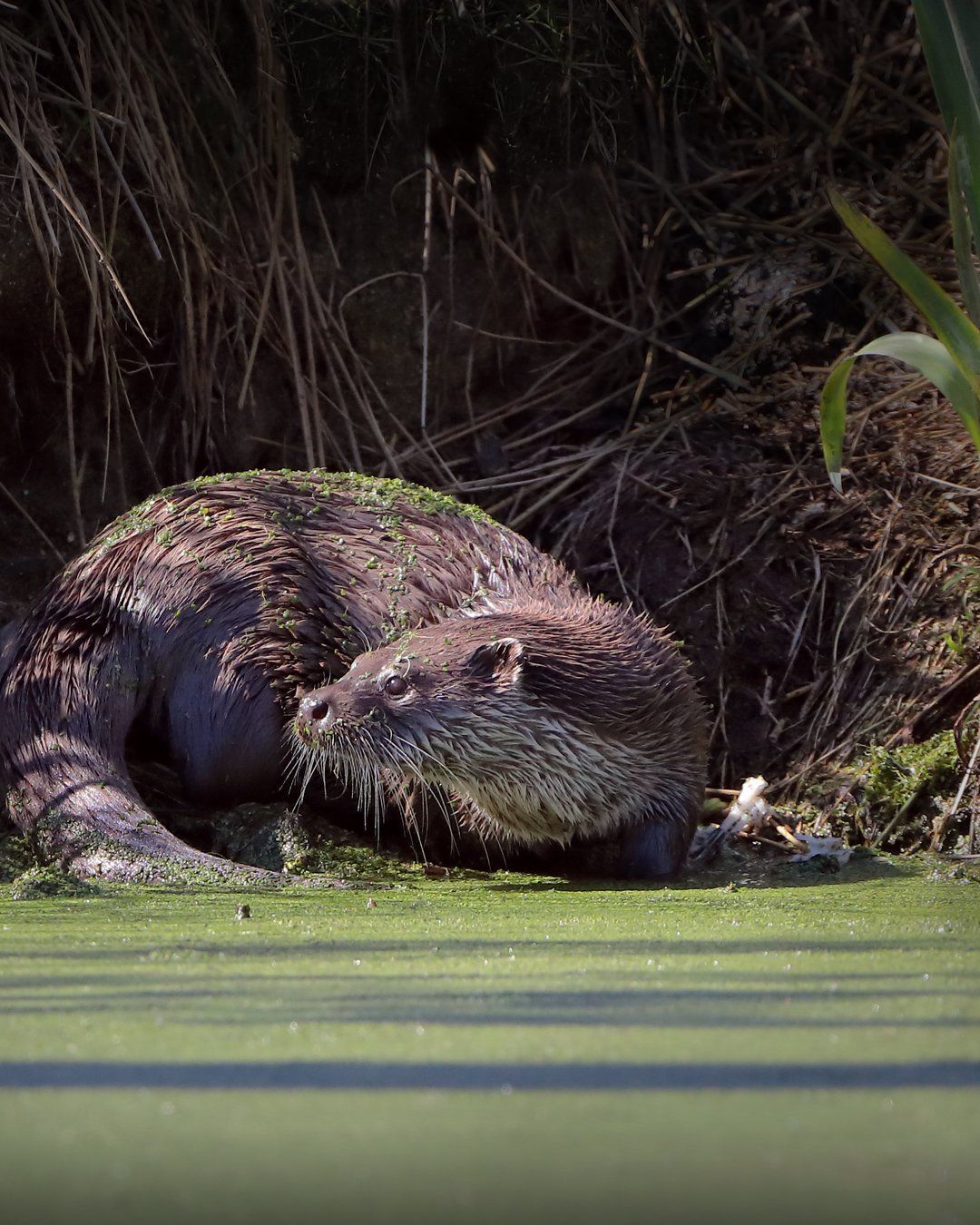
Vulnerable river otters are reclaiming Kuala Lumpur's once-toxic waterways
Groups of smooth-coated otters are appearing along the Klang River, a waterway once ranked among the world's most polluted.
The ultimate purity test
Ecologists view the otters as a biological benchmark. Their presence confirms the water is clean enough to support a fish population.
The Klang River was once a "Class 5" waterway, the most severe level of pollution. It has since improved to "Class 3," or moderately polluted status.
Sunbathing on the concrete
Residents now regularly spot the vulnerable animals swimming near metro stations or playing on the river's man-made banks.
Pond raids and fish thefts
- Otters have targeted at least 12 homes in gated communities.
- They often hunt expensive ornamental fish like arowana.
- Experts believe forest clearing for new developments is pushing the animals into residential yards to find food.
Citizen science to the rescue
The Malaysian Otter Network is launching a reporting system to track how many groups live in the capital.
Fighting the garbage tide
Cleanup efforts include hundreds of trash traps and solar-powered interceptors that have removed tens of thousands of tonnes of waste.
Local leaders hope the otter's popularity will inspire residents to stop littering and help the river reach "Class 2B" status, which is safe for swimming.
Restoring the natural banks
Architects hope to replace concrete river linings with vegetation to provide the otters with better places to hide.
You've read all 7 cards
The full story has moreVulnerable river otters are reclaiming Kuala Lumpur's once-toxic waterways
- The complete story, start to finish
- 1 link to go deeper
- Comments and what to read next