
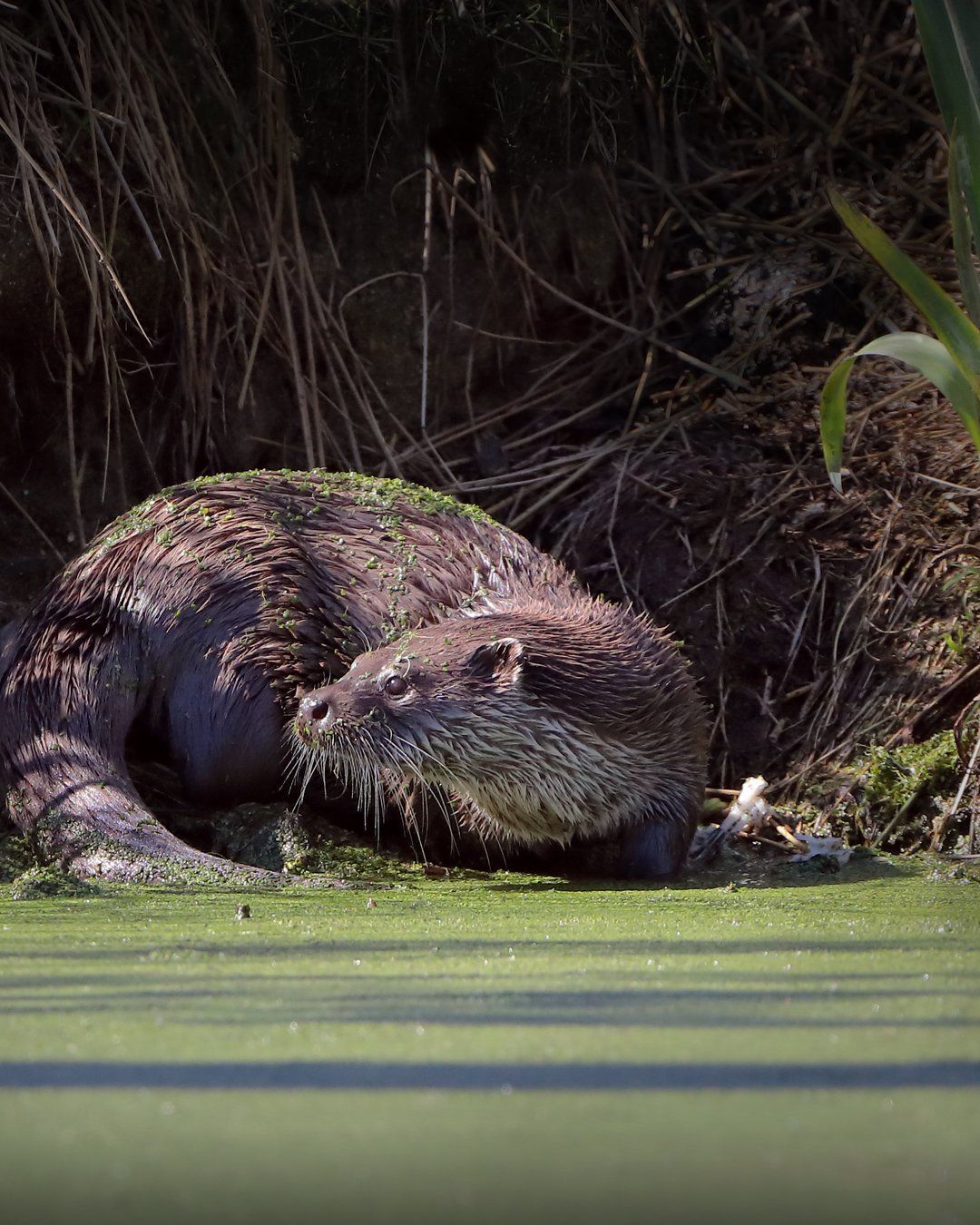
Vulnerable river otters are reclaiming Kuala Lumpur's once-toxic waterways
- Otters return to city rivers
- The ultimate purity test
- Sunbathing on the concrete
The story
Otters return to city rivers
Groups of smooth-coated otters are appearing along the Klang River, a waterway once ranked among the world's most polluted.
The ultimate purity test
Ecologists view the otters as a biological benchmark. Their presence confirms the water is clean enough to support a fish population.
The Klang River was once a "Class 5" waterway, the most severe level of pollution. It has since improved to "Class 3," or moderately polluted status.
Sunbathing on the concrete
Residents now regularly spot the vulnerable animals swimming near metro stations or playing on the river's man-made banks.
Pond raids and fish thefts
- Otters have targeted at least 12 homes in gated communities.
- They often hunt expensive ornamental fish like arowana.
- Experts believe forest clearing for new developments is pushing the animals into residential yards to find food.
Citizen science to the rescue
The Malaysian Otter Network is launching a reporting system to track how many groups live in the capital.
Fighting the garbage tide
Cleanup efforts include hundreds of trash traps and solar-powered interceptors that have removed tens of thousands of tonnes of waste.
Local leaders hope the otter's popularity will inspire residents to stop littering and help the river reach "Class 2B" status, which is safe for swimming.
Restoring the natural banks
Architects hope to replace concrete river linings with vegetation to provide the otters with better places to hide.
Under the highways of Kuala Lumpur, a surprising revival is taking place. Smooth-coated otters, a species classed as vulnerable, are being spotted regularly in the Klang River. This waterway was formerly known as one of the world's dirtiest, but years of cleanup projects have improved the water quality significantly.
Wildlife experts say the otters serve as a natural indicator of health. For otters to survive, the river must support a steady supply of fish, which in turn requires a functional ecosystem. The river recently moved from a severely polluted "Class 5" rating to a moderate "Class 3."
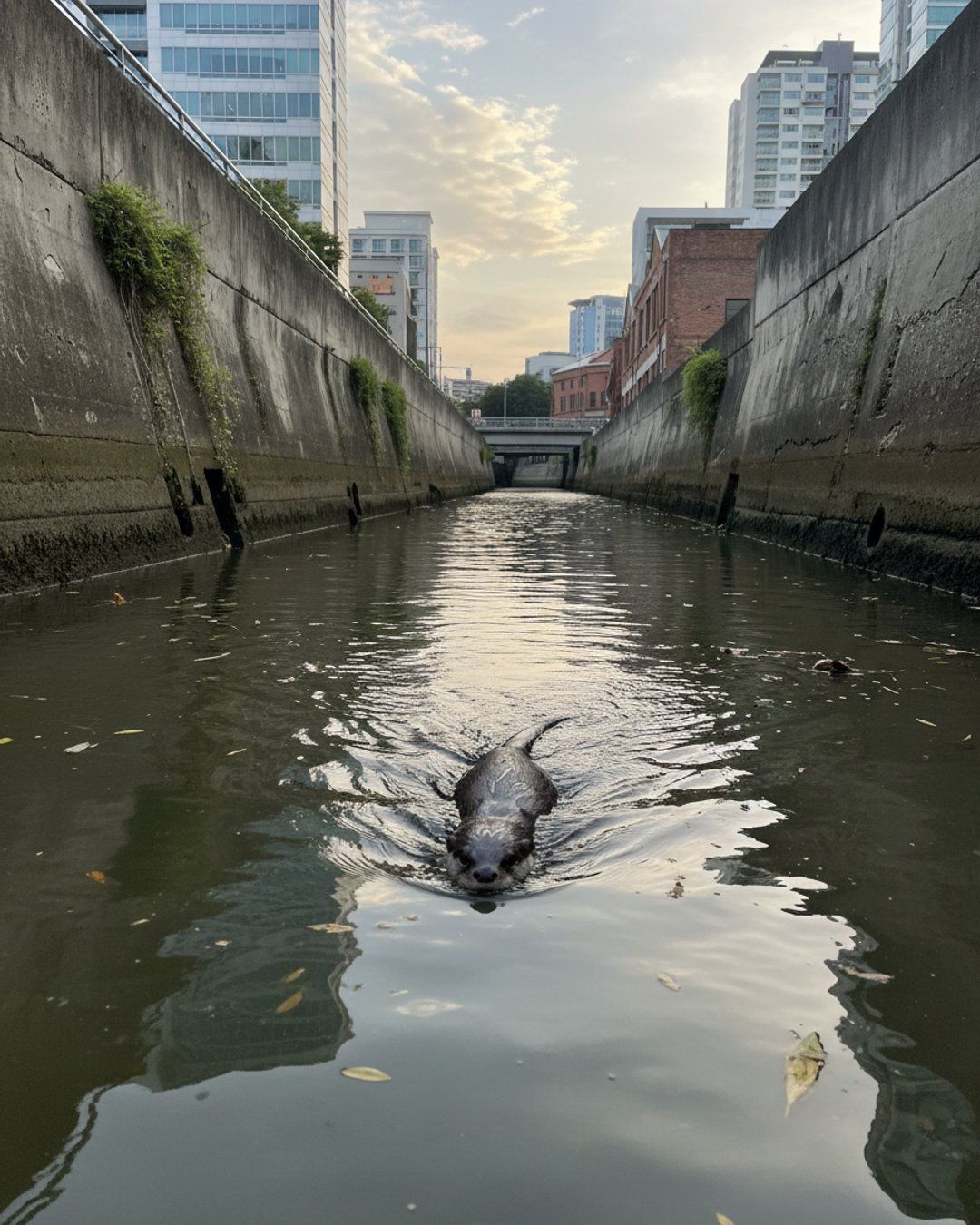
The animals have become local celebrities, with videos of them sunbathing on concrete banks near metro stations going viral. However, their return is not without tension. In some high-end residential areas, otters have raided garden fishponds, killing expensive pet fish. Experts suggest that nearby deforestation is forcing the animals to seek food in human settlements.
To manage this, the Malaysian Otter Network is working to track otter movements through citizen science. They are also teaching residents how to protect their ponds with netting rather than harming the protected animals. The ultimate goal for city officials is to reach a water quality level where humans can safely swim alongside the wildlife.

Source: Phys.org ↗
Photo: Charlie Marshall, CC BY 2.0
Illustration: AI-generated
Links in this story

How does this story make you feel?
Read next
 ScienceScotland's £19 billion food sector faces a freezing crisis over net-zero costs
 ScienceUT Austin engineers find a way to make quantum computers 7 times faster
 ScienceTobacco plants could slash the price of life-saving cancer drugs
 ScienceKilauea lava fountains shoot 650 feet high in overnight Hawaii eruption
Comments