
A 'Godzilla' El Niño is threatening to push 49 million people into hunger
- A record-shattering climate event
- Drought hits breadbaskets
- Supply chains are breaking down
The story
A record-shattering climate event
Ocean temperatures in the tropical Pacific could reach their highest levels in a millennium, sparking a global food security crisis.
Drought hits breadbaskets
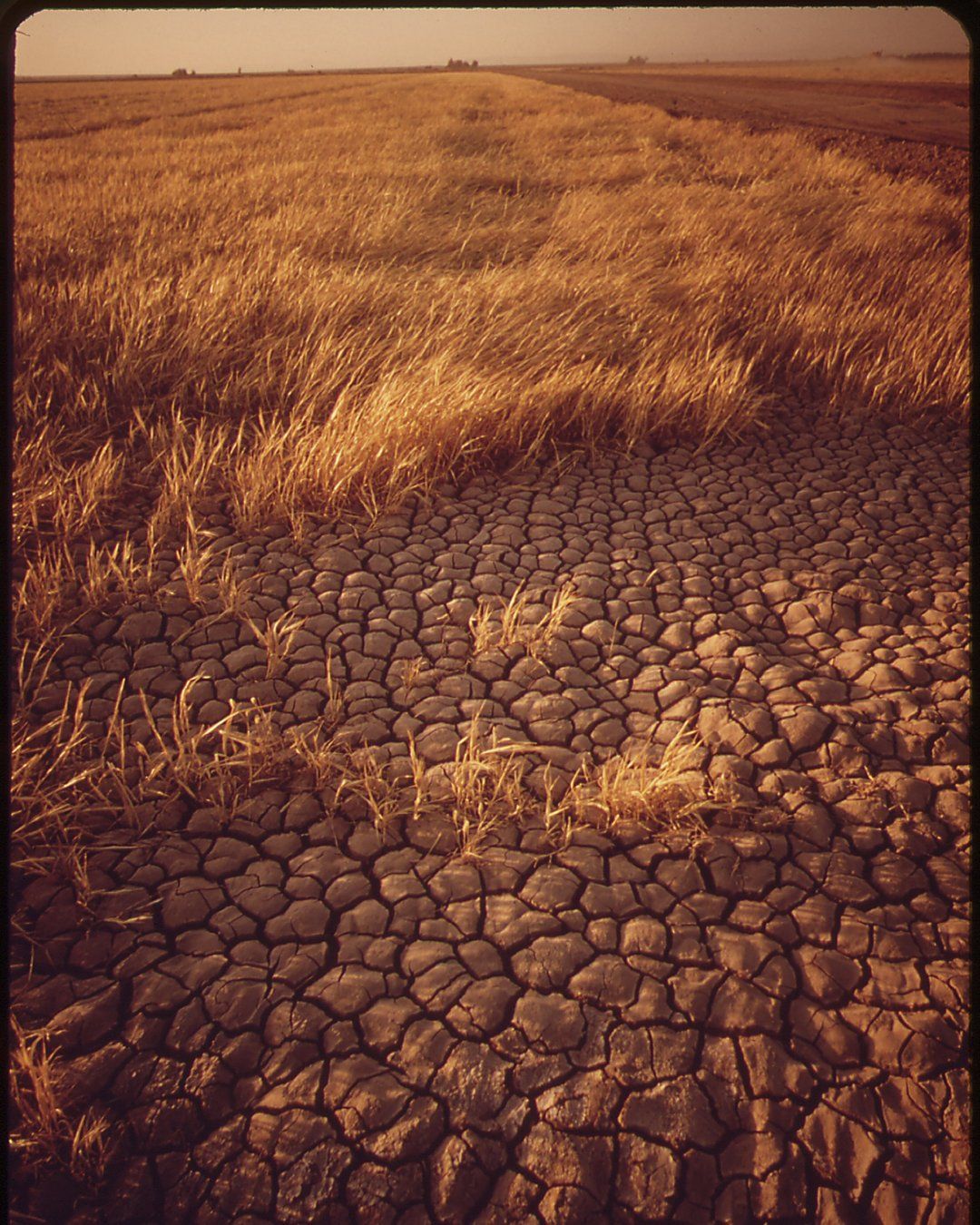
Drought is withering maize, rice and wheat across Africa, Asia and Central America as energy and fertilizer costs climb.
Supply chains are breaking down
- In Indonesia, the Kapuas River dried up, halting palm oil transport.
- The Panama Canal has restricted ship traffic due to a lack of rain.
- Global fishmeal output fell by 50% after Peru closed its anchovy fisheries.
- War in Ukraine and the Middle East continues to choke grain and fertilizer exports.
The human cost of the heat
The World Food Programme warns that this climate cycle could push an additional 49 million people into acute food insecurity by late 2027. This would bring the global total to 274 million people.
Historically, strong El Niño events have been devastating; one in the late 19th century contributed to a famine that killed 50 million people.
Aid falls as risks rise
Global aid funding is down 30% from its 2022 peak, so the WFP can reach fewer than 1 million people in Somalia.
Record temperatures are still coming
While 2026 is already exceptionally warm, climatologists predict that 2027 will be a "record-shattering" year for global temperatures.
Research indicates that climate change has already reduced total global crop yields by 5% compared to a world without human-driven warming. These stacked shocks are testing the resilience of our global food system.
A massive "super El Niño" is currently disrupting global weather patterns, shriveling rivers, and flattening crops with intense drought. While this is a natural phenomenon, its current strength is unprecedented. Scientists at Berkeley Earth report that sea-surface warming in the tropical Pacific has hit 3.5 degrees Celsius, well above the previous record of 2.75 degrees. This intensity directly correlates with more severe weather events across the tropics.
The impact on global food security is significant. The World Food Programme estimates that 49 million more people could face acute hunger by the end of 2027 due to this event. Agricultural hubs are already seeing the effects: South Africa’s maize output typically drops 28% during these cycles, and current droughts are hitting Indonesia, Cambodia, and Central America. These climate blows are stacking on top of economic strains like high energy costs and restricted fertilizer supplies from the Middle East.
Logistics are also suffering as water levels drop in vital transport arteries. The Panama Canal is carrying less traffic, and the Kapuas River in Indonesia has become too shallow for palm oil transport. Meanwhile, the Peruvian anchovy fishery—a multi-billion dollar industry—has been forced to close early because of warming waters, causing fishmeal prices to spike for livestock farmers worldwide.
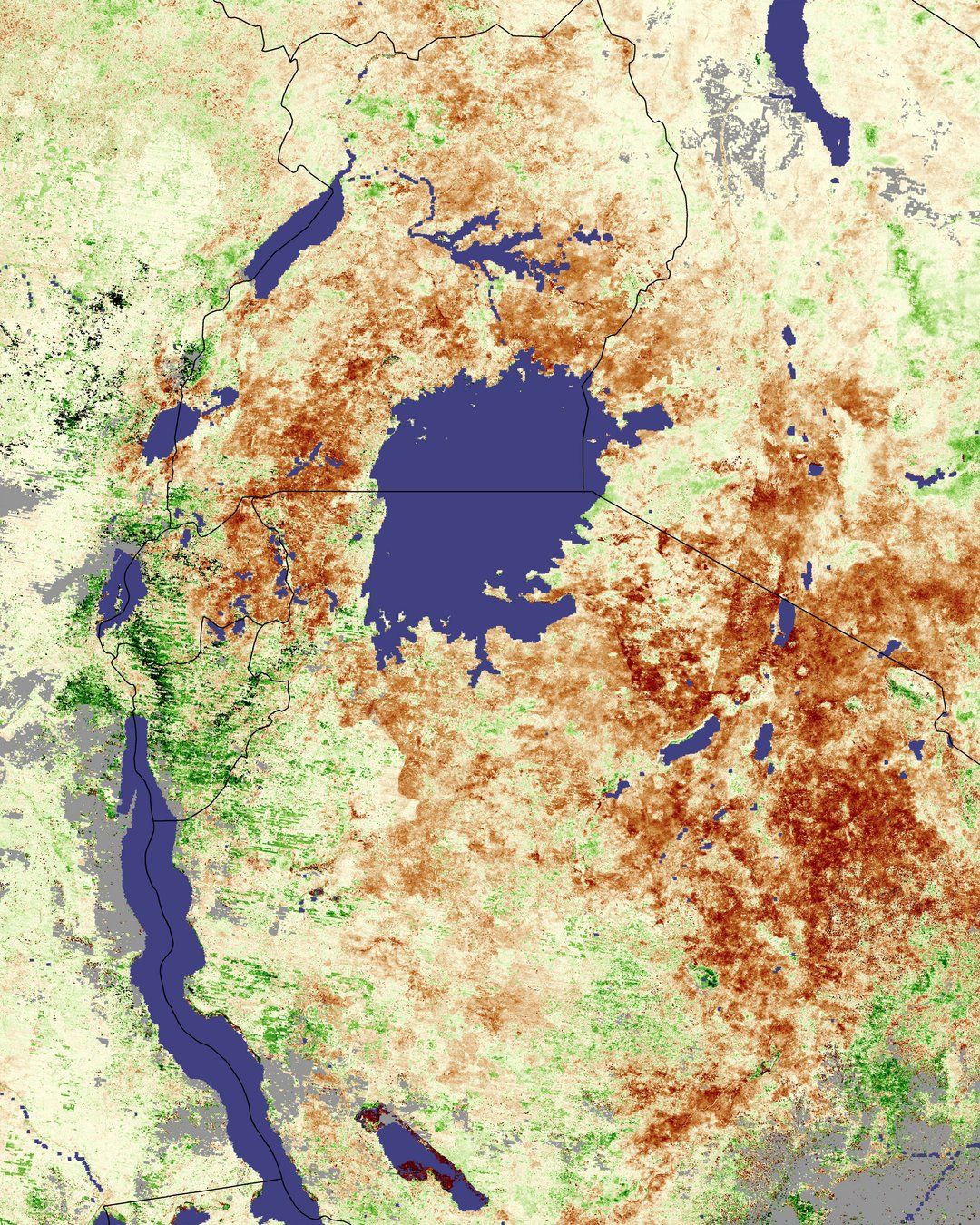
While meteorologists can forecast an El Niño nearly a year in advance, providing aid is becoming more difficult. Global aid dollars have fallen 30% since 2022, leaving organizations like the WFP with fewer resources to distribute drought-resistant seeds or cash assistance. Experts warn that the peak of this cycle is often followed by record-breaking heat, suggesting that 2027 could be the hottest year in recorded history.
Source: WIRED ↗
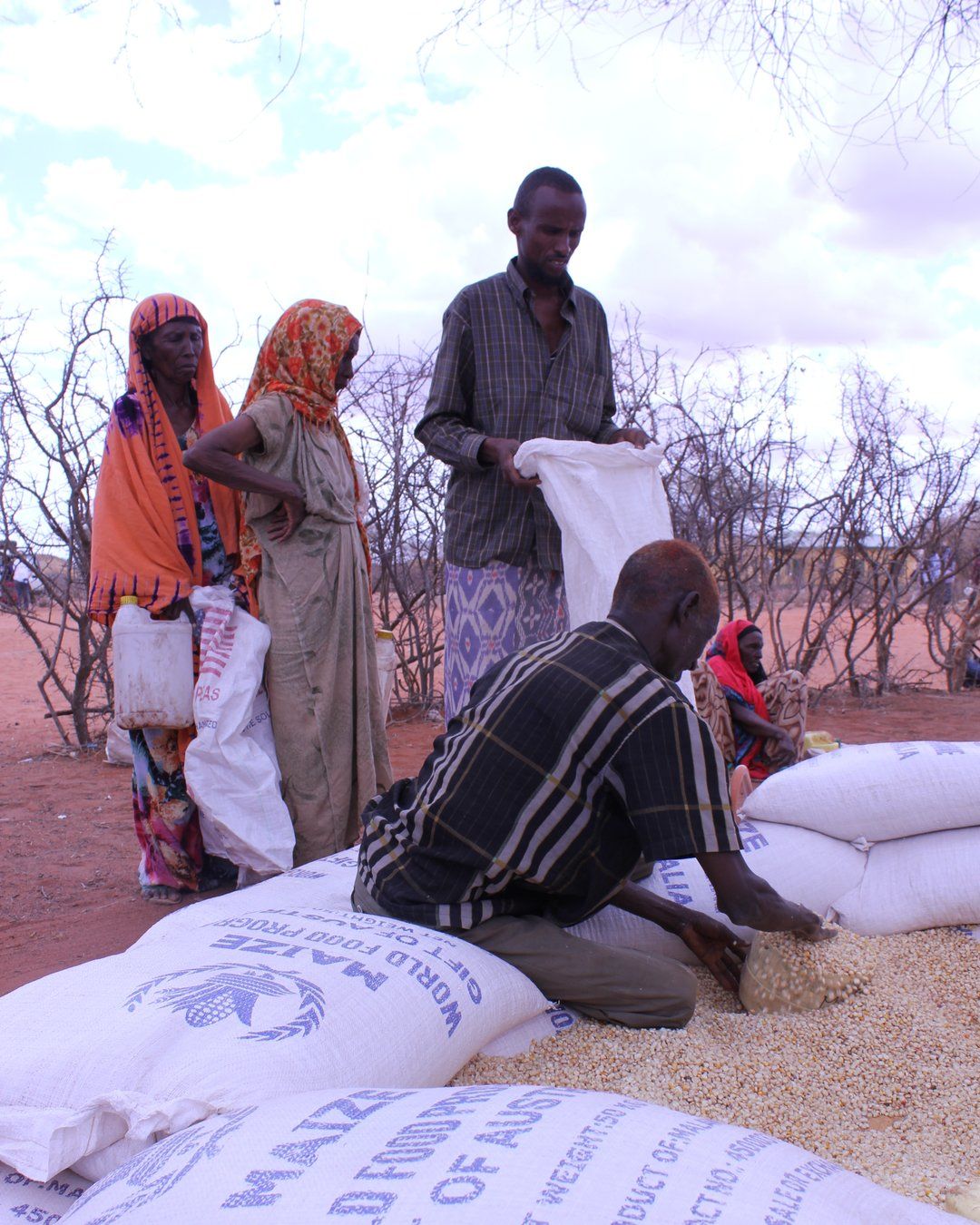
Photo: Charles O'Rear, Public domain
Photo: NASA image created by Jesse Allen, Earth Observatory, using data provided by the joint Global Agricultural Monitoring Project between NASA, USDA’s Foreign Agricultural Service, Public domain




Comments