
A law student is fighting to curb marriages between close blood relatives in India
- Student sues over genetic risks
- Living with inherited vision loss
- Supreme Court seeks health reform
The story
Student sues over genetic risks
A 20-year-old law student with a genetic eye disorder is challenging Indian laws that permit marriages between close cousins.
Living with inherited vision loss
Charvi S. was born to parents who are first cousins, a common practice in her community. She was diagnosed with cone dystrophy, which left her with 40 percent visual impairment.
She argues that the state must protect children from preventable disabilities by regulating unions that carry high genetic risks.
Supreme Court seeks health reform
The Supreme Court issued a notice to the central government to examine the issue.
Customs override modern health
- The Hindu Marriage Act and Special Marriage Act generally ban close-relative unions.
- However, exceptions exist if a community's long-standing customs allow them.
- The petition argues these legal loopholes prioritize tradition over the rights and health of future children.
A tradition across South India
Data shows that about 11 percent of all Indian marriages are between blood relatives.
Safety checks before the vow
The petitioner is not asking to cancel existing marriages but wants safeguards for the future:
- Mandatory genetic counseling for couples.
- Public health screenings in high-risk regions.
- Wide publicity to explain how recessive genes cause congenital birth defects.
Parliament must lead the way
The judges clarified that only Parliament, not the court, can pass laws for social reform.
A 20-year-old law student from Bengaluru, Charvi S., has moved the Supreme Court to challenge Indian legal provisions that allow marriages between close blood relatives. Charvi, who was born to parents who are first cousins, suffers from cone dystrophy and photophobia. These genetic eye conditions have left her with 40 percent visual impairment, which she attributes to her parents' consanguineous union.
The petition targets exceptions in the Hindu Marriage Act, 1955, and the Special Marriage Act, 1954. While these laws generally prohibit marriages within certain degrees of relationship, they provide exceptions for unions permitted by local customs. The petitioner argues that these exceptions violate the constitutional rights of children to health and dignity, as medical research shows such unions significantly increase the risk of congenital disorders.
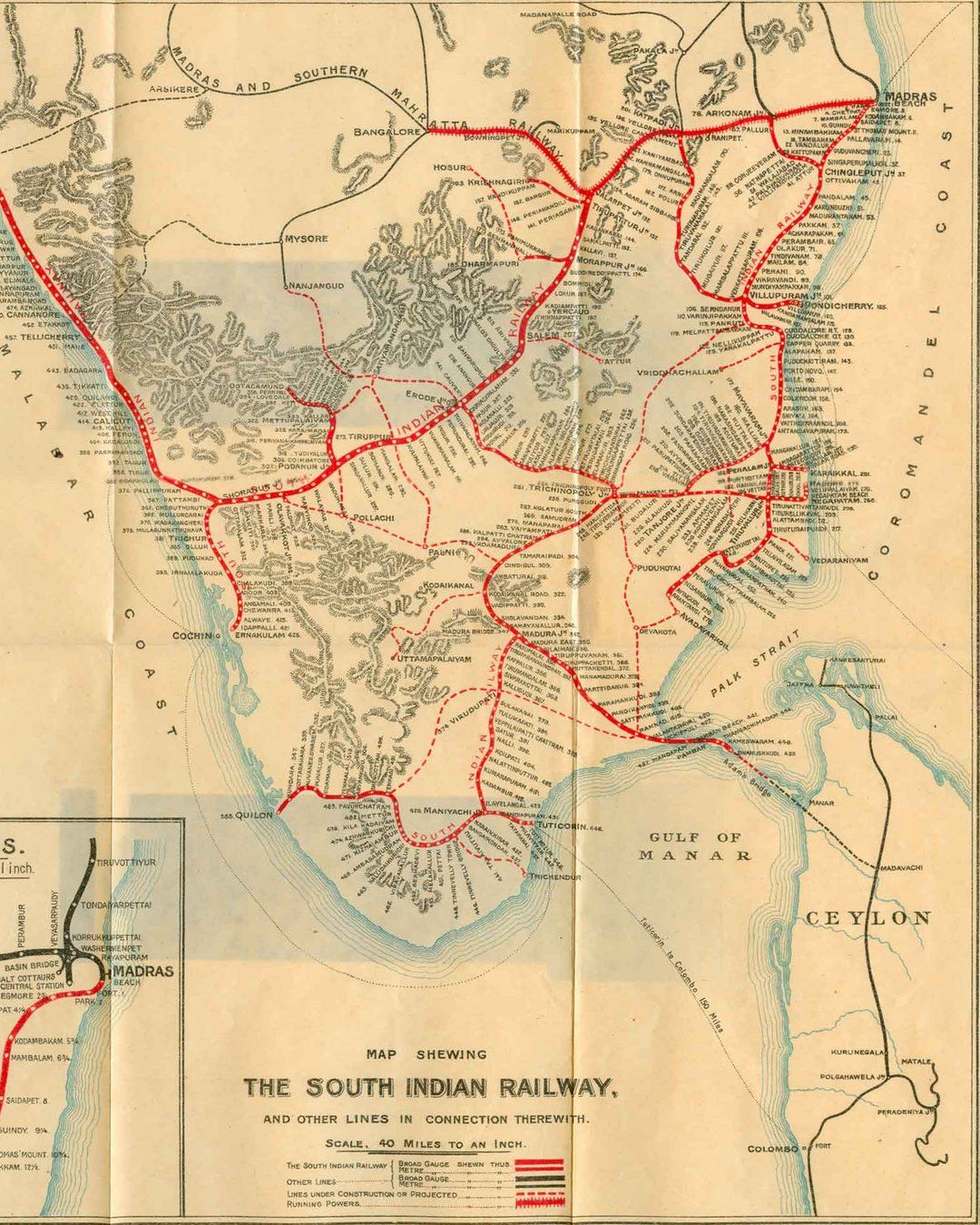
Data from the National Family Health Survey indicates that approximately 11 percent of marriages in India are consanguineous. The prevalence is notably higher in southern states, where rates can reach 28 percent. In these regions, marriages between first cousins or maternal uncles and nieces are long-standing social traditions often intended to keep property and family ties intact.
The Supreme Court, led by Chief Justice Surya Kant, issued a limited notice to the central government. The bench expressed concern over the health risks but clarified that the court cannot interfere with the personal choice of partners. However, the judges emphasized that the state has a duty to ensure that such decisions are informed by science rather than just tradition.
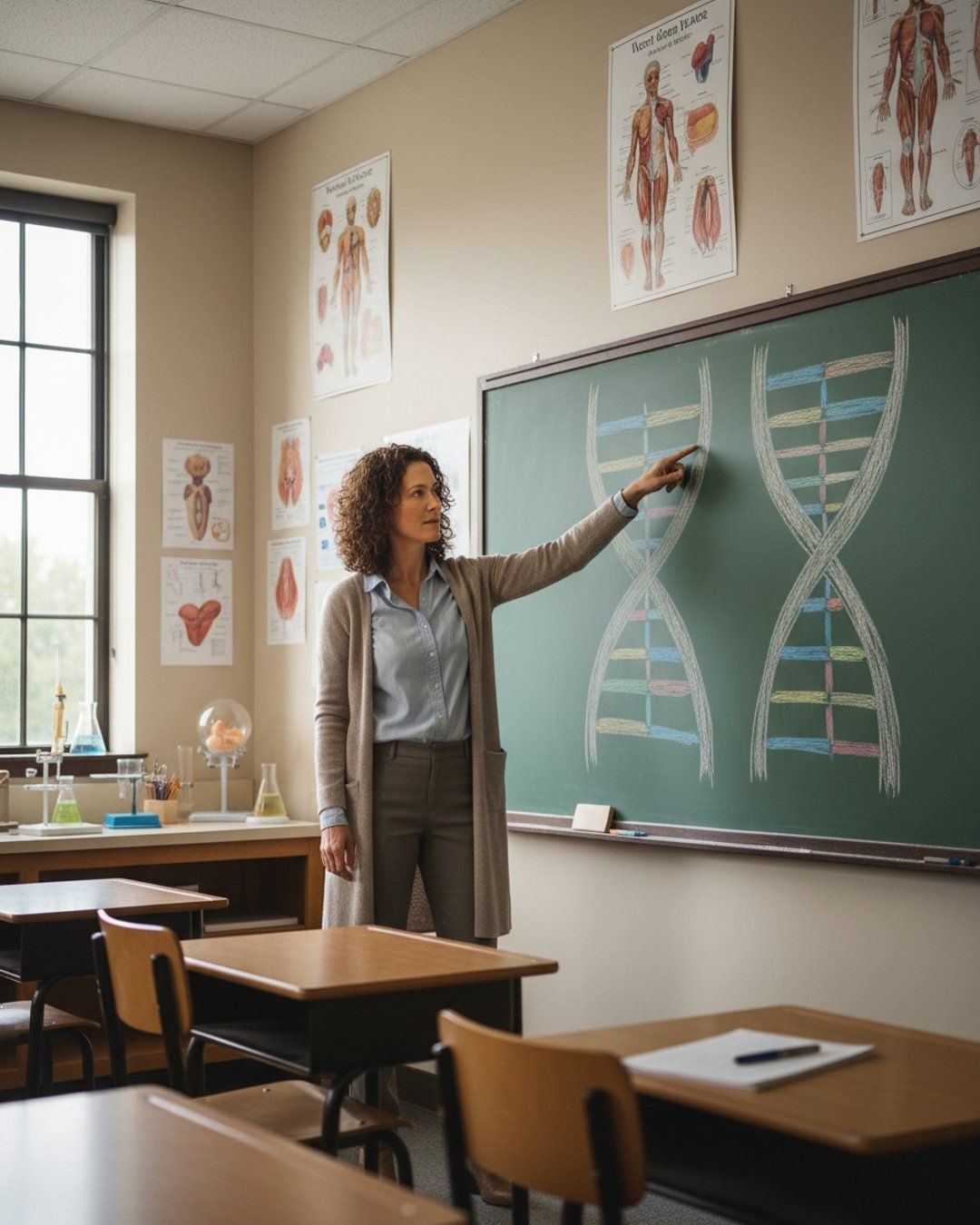
The court suggested that the government consider introducing legislation or launching massive public awareness campaigns. It proposed incorporating the risks of close-relative marriages into school and college curricula and using Anganwadi workers and village panchayats to educate rural populations. The goal is to instill a "scientific temper" regarding the potential for inherited genetic conditions.
The petitioner is seeking mandatory genetic counseling and screening programs rather than the criminalization of existing marriages. The case now rests with the central government to examine whether India is ready for social reform legislation that would place public health safeguards over centuries-old customary practices.
Source: ThePrint, shoneekapoor.com, LawChakra ↗
Photo: Unknown authorUnknown author, Public domain
Illustration: AI-generated





Comments