Skip to content
TimesJetHomeExploreNotificationsSavedProfileYou
Reading as a guestSaves stay on this device. Sign in to like, comment and follow topics.
Ask AI about today's news

Latest

1MST3K revives the legendary 'Turkey Day' marathon for 2026Games2Suzlon and Persistent Systems hit by separate cyberattacksBusiness3Michelle Yeoh leads Blade Runner's 2099 cyberpunk returnSpace4West Bengal seeks a new name to honor its 1947 partition historyTrending5Scotland's £19 billion food sector faces a freezing crisis over net-zero costsScience

Topics

Tech
Startups
Business
Health
Trending
Space
Science
Games

© 2026 TimesJet

Skip to content
#law
#

#law

6 stories

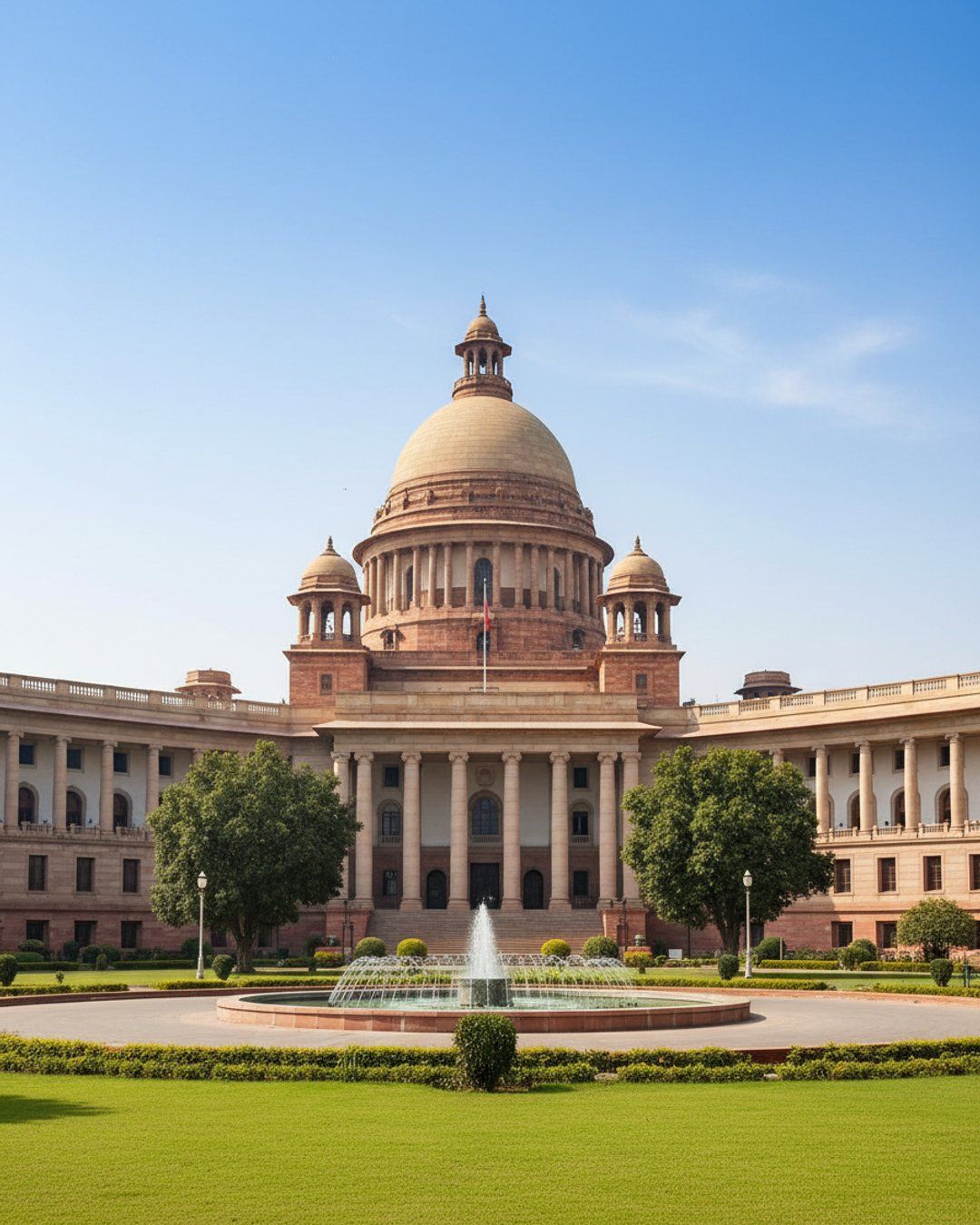
The exterior of a grand Indian government legislative building during the day.

West Bengal seeks a new name to honor its 1947 partition history

The state Cabinet approved a proposal on 23 November 2026 to officially rename West Bengal as Paschim Banga.

Trending · Nov 241/5
Timeline set

Resolution hits the floor

Chief Minister Suvendu Adhikari announced that the resolution will be tabled in the Legislative Assembly on 9 December 2026. The move aims to replace the English name West Bengal with Paschim Banga in all administrative and government documents. The winter session of the Assembly runs from 4 December to 14 December.

Trending · Nov 242/5

Honoring the 1947 partition

The name Paschim Banga reflects the state’s history following the 1947 Partition of British India.

Trending · Nov 243/5
Past attempts

Breaking a long deadlock

  • Previous governments tried to rename the state "Bangla" in 2018.
  • The Central Government rejected those efforts due to technicalities.
  • A constitutional amendment is required for any state name change.
  • Leaders hope a "double engine" BJP government will ease the path.
Trending · Nov 244/5

The road to final approval

Passing the resolution in the state Assembly is only the first hurdle.

Trending · Nov 245/5

You've read all 5 cards

The full story has more

West Bengal seeks a new name to honor its 1947 partition history

  • The complete story, start to finish
  • 3 links to go deeper
  • Comments and what to read next
Read the full story
Trending · Nov 24

Supreme Court rejects Tamil Nadu's plea for 11 TMC of Cauvery water

The Supreme Court dismissed a bid for an additional 11 thousand million cubic feet of water to cover a supposed shortfall.

Business · Nov 241/5
The ruling

Scarcity stops the flow of relief

A bench led by Justice Vikram Nath ruled on November 20, 2026, that Karnataka cannot be forced to release water it does not have. The court noted that a backlog of water can only be cleared when there is an excess. Since both states are facing drought conditions, the court refused to intervene in the existing sharing arrangement.

Business · Nov 242/5

Karnataka cites severe drinking shortages

Deputy Chief Minister D.K.

Business · Nov 243/5
Sharp words

Judges slam 'waste of money' on lawyers

  • The court expressed frustration as Tamil Nadu filed a third application on the same day.
  • Justice Vikram Nath remarked that the state seemed to have "lots of money to waste on lawyers."
  • The bench indicated that any further similar applications would be promptly dismissed.
  • The state had claimed it could not supply irrigation water without the extra 11 TMC.
Business · Nov 244/5

Expert bodies keep control of river

The dismissal signals that the Supreme Court is reluctant to bypass expert regulators.

Business · Nov 245/5

You've read all 5 cards

The full story has more

Supreme Court rejects Tamil Nadu's plea for 11 TMC of Cauvery water

  • The complete story, start to finish
  • 3 links to go deeper
  • Comments and what to read next
Read the full story
Business · Nov 24

A law student is fighting to curb marriages between close blood relatives in India

A 20-year-old law student with a genetic eye disorder is challenging Indian laws that permit marriages between close cousins.

Health · Nov 241/7
Her story

Living with inherited vision loss

Charvi S. was born to parents who are first cousins, a common practice in her community. She was diagnosed with cone dystrophy, which left her with 40 percent visual impairment.

She argues that the state must protect children from preventable disabilities by regulating unions that carry high genetic risks.

Health · Nov 242/7

Supreme Court seeks health reform

The Supreme Court issued a notice to the central government to examine the issue.

Health · Nov 243/7
The law

Customs override modern health

  • The Hindu Marriage Act and Special Marriage Act generally ban close-relative unions.
  • However, exceptions exist if a community's long-standing customs allow them.
  • The petition argues these legal loopholes prioritize tradition over the rights and health of future children.
Health · Nov 244/7

A tradition across South India

Data shows that about 11 percent of all Indian marriages are between blood relatives.

Health · Nov 245/7
Proposed steps

Safety checks before the vow

The petitioner is not asking to cancel existing marriages but wants safeguards for the future:

  • Mandatory genetic counseling for couples.
  • Public health screenings in high-risk regions.
  • Wide publicity to explain how recessive genes cause congenital birth defects.
Health · Nov 246/7

Parliament must lead the way

The judges clarified that only Parliament, not the court, can pass laws for social reform.

Health · Nov 247/7

You've read all 7 cards

The full story has more

A law student is fighting to curb marriages between close blood relatives in India

  • The complete story, start to finish
  • 3 links to go deeper
  • Comments and what to read next
Read the full story
Health · Nov 24
€1.2B

A €1.2 billion bill: Researchers quantify the cost of Portugal's colonial forced labor

Science · Nov 231/7
Evidence first

Narrow claims show the most success

  • General claims for centuries of slavery often reach trillions of dollars but fail in court.
  • Success is more likely when claims are led by living survivors of specific harms.
  • Legal experts find that quantifying losses within living memory creates a harder case for governments to ignore.
Science · Nov 232/7

Portugal used a system of forced labor

From 1910 to 1974, Portuguese colonial law forced African men into wage labor for private plantations and mines.

Science · Nov 233/7
By the numbers

Mass coercion hit one in five men

Research from UNU-WIDER shows the scale of the "contrato" system. At its peak, colonial officials forced 1 in 5 able-bodied men in Angola and Mozambique into wage work. In some districts, like Zambézia, the rate hit 90% by the late 1940s. These workers lost income through both suppressed wages and heavy state taxes.

Science · Nov 234/7

Losses totaled 2.2 million work years

Researchers estimate that coerced workers lost the equivalent of €1.2 billion in modern value due to suppressed pay and taxes.

Science · Nov 235/7
Legal weight

Why this specific claim might work

Unlike broader historic wrongs, this system breached international laws that were already in place at the time. Because the practice only ended in the 1960s, many victims are still alive. By focusing on a single, well-documented harm with identifiable survivors, the claim becomes a concrete legal obligation rather than a vague moral debate.

Science · Nov 236/7

A final chance for reparatory justice

With many surviving workers now well past retirement age, researchers argue that time is running out to settle these evidence-based claims.

Science · Nov 237/7

You've read all 7 cards

The full story has more

A €1.2 billion bill: Researchers quantify the cost of Portugal's colonial forced labor

  • The complete story, start to finish
  • 1 link to go deeper
  • Comments and what to read next
Read the full story
Science · Nov 23
The teen hacker who leaked GTA 6 is finally free with a strict warningA wave of public protests across Australia cut sexual assault cases by 21%

That's everything for now

New stories arrive throughout the day.
TimesJetHomeExploreNotificationsSavedProfileYou
Reading as a guestSaves stay on this device. Sign in to like, comment and follow topics.