
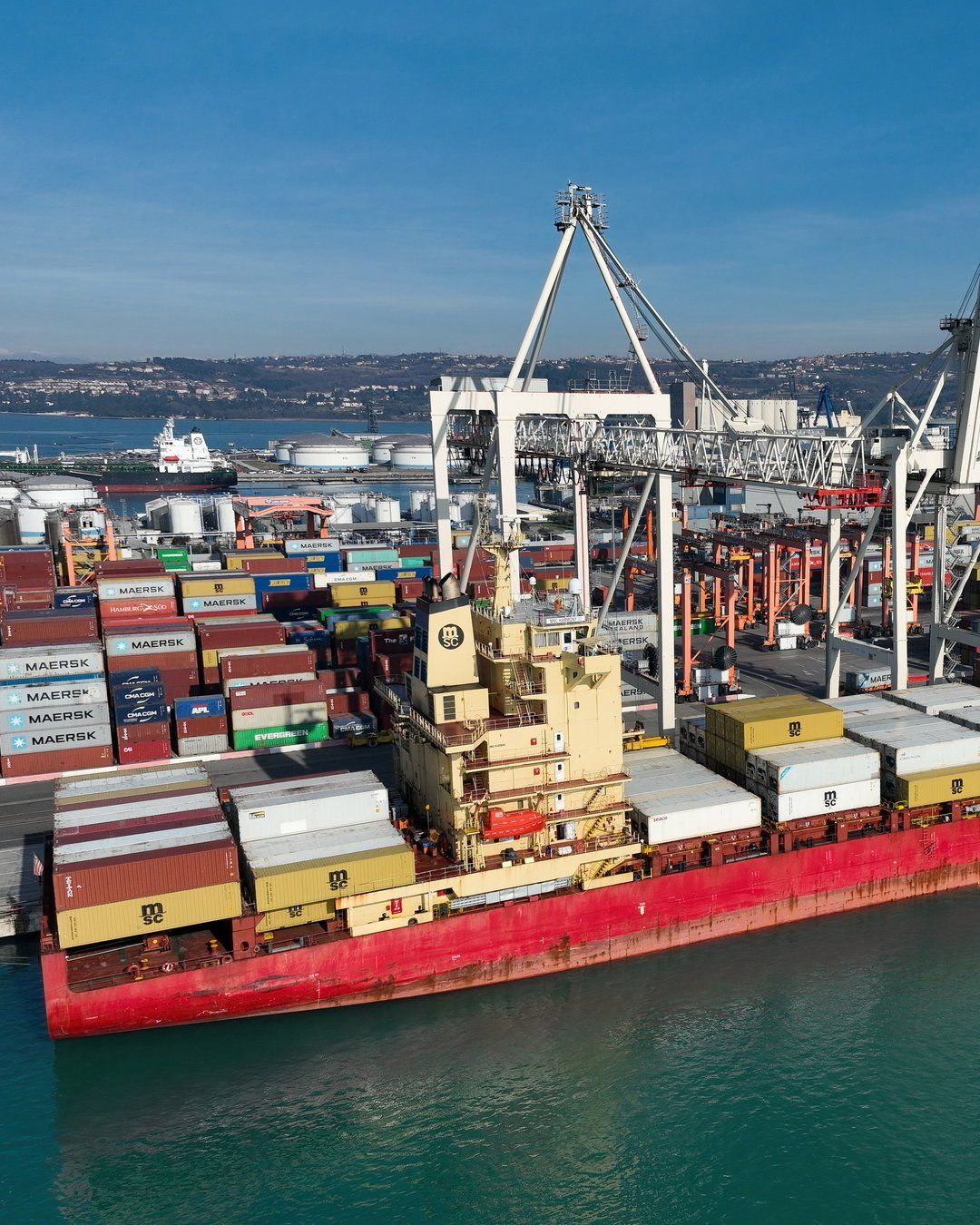
Donald Trump hits India with a 25% trade tariff threat
- Trump issues a major tariff ultimatum
- A 17% rate is on the table
- US targets India's trade surplus
By the numbers
- 17%
- Proposed lower tariffRate offered if India signs a trade deal
- $57B
- India's trade surplusEstimated surplus with the US in 2025
- 25%
- Maximum tariff threatPotential duty if no trade deal is reached
The story
Trump issues a major tariff ultimatum
The US proposes new duties of up to 25% on Indian goods unless the two nations can finalize a long-delayed trade agreement.
A 17% rate is on the table
Washington is offering India a "discounted" flat rate of 17% if a deal is reached. While high, this could give Indian exporters a slight edge over rivals like China or Vietnam, who face even steeper levies.
However, the 17% rate is only a proposal. President Trump could still raise it unilaterally later.
US targets India's trade surplus
The Trump administration cites a $57 billion trade surplus as evidence that India's policies harm American manufacturing and economic security.
Agriculture remains a sticking point
- US demands: Lower duties on soy, alcohol, and tree nuts.
- Dairy fears: Concessions here could force India to open markets to other nations too.
- Tariff gap: India's average farm tariff is 33%, while the US average is just 5%.
Fourteen nations face new levies
India is part of a group of 14 economies targeted by the US for allegedly creating excess manufacturing capacity that hurts global markets.
Deadline set for early 2027
The US Trade Representative will hold public hearings on January 25, 2027. If no agreement is reached, the new taxes will likely begin in February.
India has officially rejected claims of "excess capacity." It insists that any trade concerns must be solved through the current bilateral negotiations.
The trade relationship between India and the United States has entered a period of high tension as Donald Trump proposes a 25% tariff on Indian imports. This move is specifically designed to pressure New Delhi into signing a bilateral trade agreement (BTA) that has been under negotiation for several years. The US Trade Representative (USTR) recently issued a notice flagging 14 different economies for what it calls "structural excess capacity," accusing them of using government policies and subsidies to unfairly boost their own manufacturing and export sectors.
For India, the proposal comes with a potential compromise that could soften the blow to its economy. If a trade deal is signed, the tariff on goods could be capped at a flat rate of 17%. While this is still a significant burden for local exporters, it represents a one-percentage-point advantage over several other developing nations. This slight gap could help Indian goods stay competitive against rivals like China or Vietnam, who are facing even higher proposed duties under the new American trade framework.
This matters to the global economy because the US and India are key strategic partners currently trying to deepen ties in technology, defense, and investment. A full-scale trade war could disrupt these long-term plans and significantly raise costs for consumers in both countries. Specifically, the US is frustrated by its growing trade deficit with India, which reached an estimated $57 billion in 2025. Washington argues that Indian subsidies and various market barriers make it difficult for American firms to compete fairly.

Negotiations remain difficult because of massive differences in how the two countries protect their domestic industries. For example, India currently maintains an average agricultural tariff of 33%, whereas the US average is only 5%. The US is pushing for much easier access for its dairy, soy, and tree nut producers. Indian officials are wary of these concessions, fearing they could harm local farmers or set a legal precedent that other trading partners would demand as well.
There is a small silver lining for some of India's most successful export sectors. Initial reports indicate that Indian pharmaceuticals and mobile phones might be exempted from these specific additional tariffs. However, general uncertainty remains high as exporters prepare for the 2027 winter season. Public hearings on the plan are scheduled for January 25, and the new costs could hit as early as February 2027 if a deal is not finalized in time. Both nations must now decide if a compromise is worth the political and economic cost.

Source: business-standard.com, thefederal.com, The Times of India ↗
Photo: Petar Milošević, CC BY-SA 4.0
Illustration: AI-generated
Links in this story
 @TimesJetNewsOn Instagram · a new story every hour



Comments