
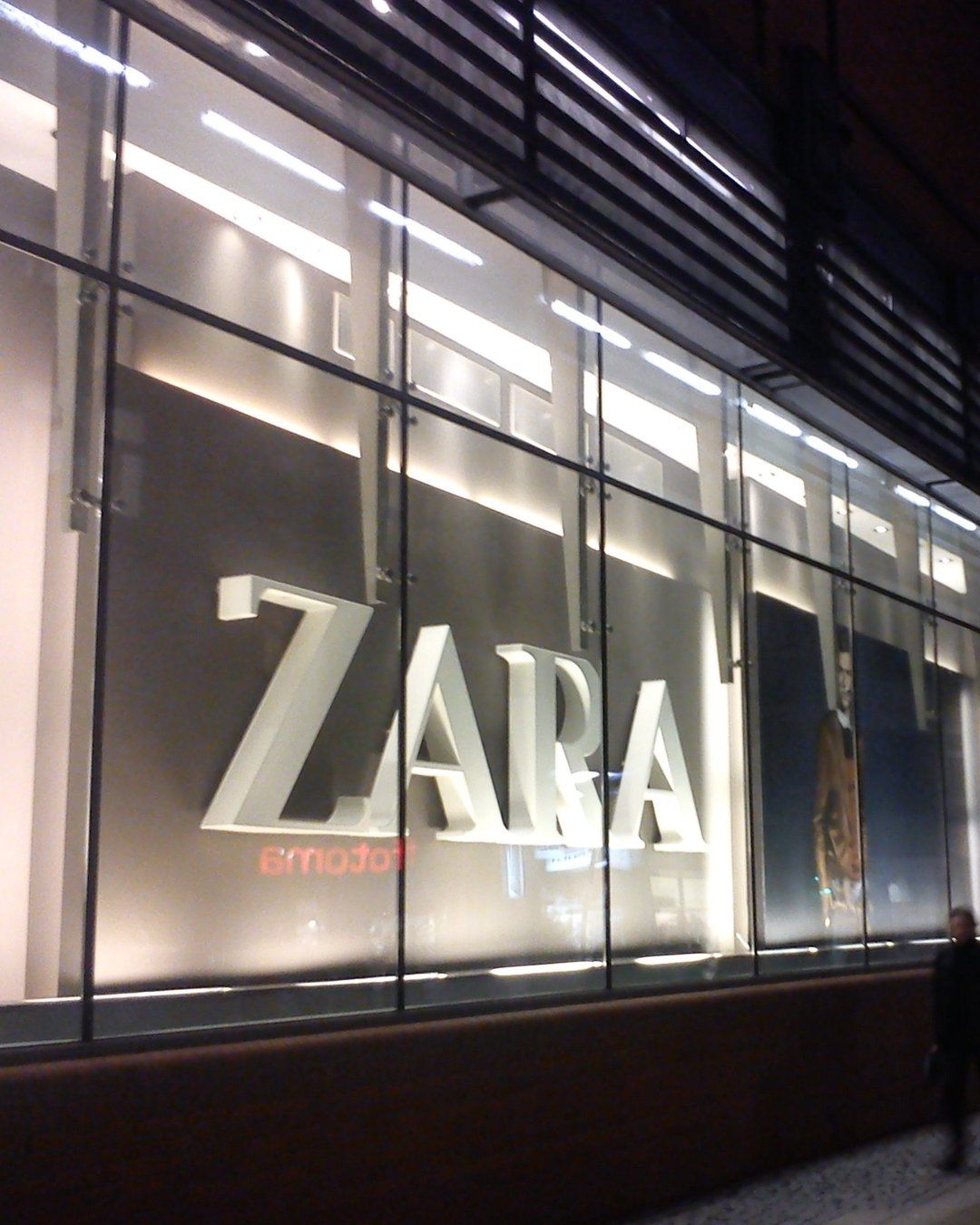
Zara and H&M shift $254 million in orders to India
- Brands flee Bangladesh unrest
- India leads the winners
- Speed beats lower prices
By the numbers
- $254M
- Orders shifted from BangladeshAmount moved by global brands in early November 2026
- 36%
- Minimum wage increaseHike approved by the government that sparked new protests
- 10%
- Share of monthly ordersPortion of total orders diverted to other Asian countries
The story
Brands flee Bangladesh unrest
Zara, H&M, and Marks & Spencer moved $254 million in garment orders to India and other hubs this month.
India leads the winners
Global brands diverted about 10% of their monthly Bangladesh orders between November 1 and 18, 2026. India has emerged as the primary beneficiary of this shift.
Buyers are also exploring factories in Vietnam, Cambodia, and Indonesia. They want to reduce risks and improve delivery reliability after weeks of disruption.
Speed beats lower prices
Retailers are now prioritizing reliable schedules over cheap labor.
Industry faces crisis
- Protests and factory closures have cost the garment sector $428 million in production losses.
- The industry generates 80% of the nation's total export earnings.
- Energy shortages and high raw material costs are hurting profits.
- Political uncertainty is causing buyers to rethink long-term deals.
New pay hike sparks protests
Clashes intensified after the government approved a 36% increase in the minimum wage.
Indian textile stocks rally
Investors responded quickly to the news of diverted orders. Shares in Gokaldas Exports jumped 11% while Trident gained 5%.
Other manufacturers like Welspun Living and KPR Mill also saw their stock prices rise as analysts predict a permanent shift in sourcing toward Indian factories.
Global fashion retailers are moving hundreds of millions of dollars in business away from Bangladesh as labor unrest and production delays paralyze the country’s garment sector. Brands including Zara, H&M, and Marks & Spencer diverted approximately $254 million in orders between November 1 and 18, 2026. India has emerged as the primary beneficiary of this shift, taking the largest share of the displaced business.
The crisis stems from prolonged protests over worker wages and rising manufacturing costs. While the Bangladesh government recently approved a 36% increase in the minimum wage, the move failed to calm the situation. Workers had demanded a hike to 30,000 Bangladeshi taka (Tk) per month, and the resulting clashes with police have kept factories closed for weeks. The Bangladesh Garment Manufacturers and Exporters Association estimates that production losses reached $428 million in the first 18 days of November.
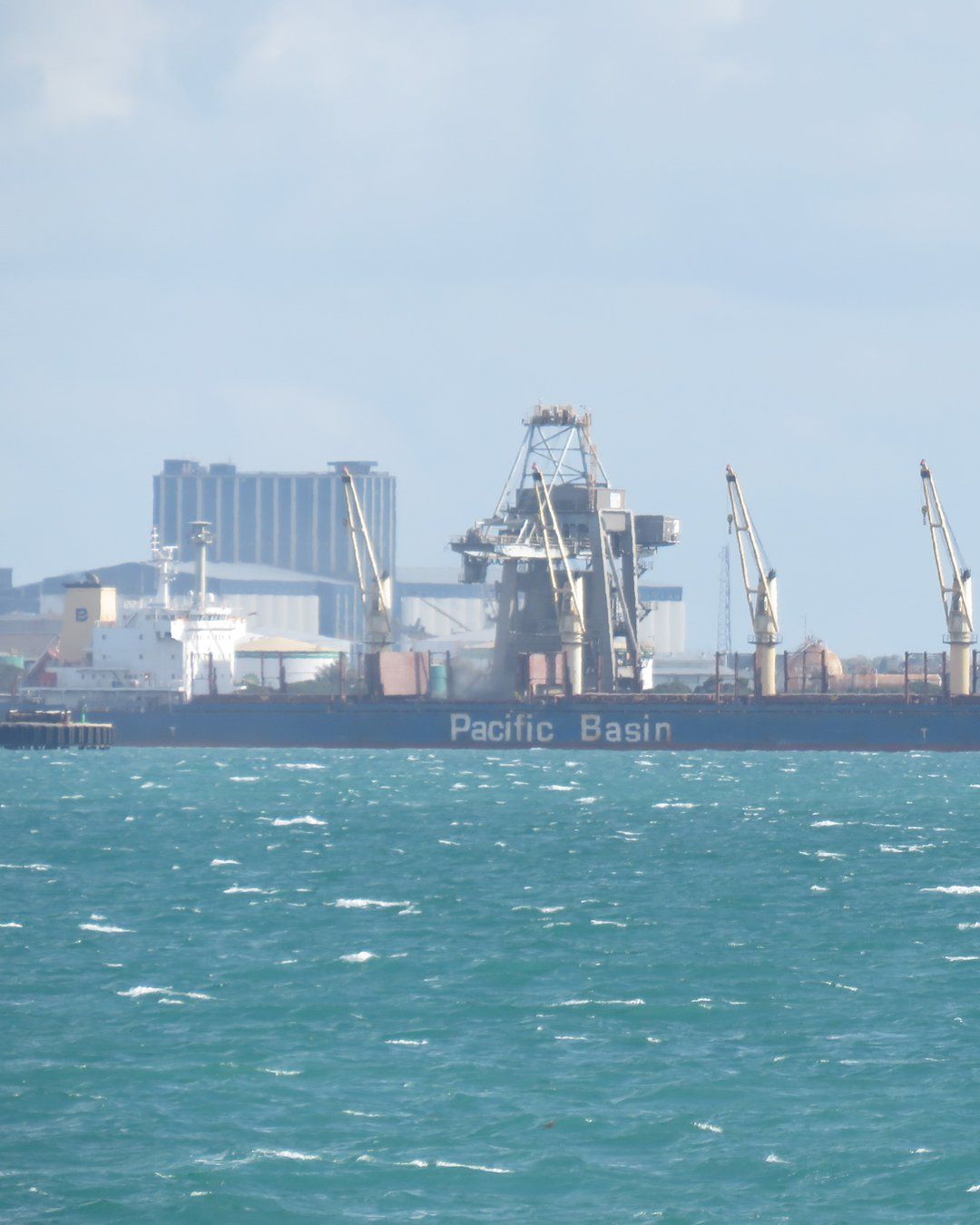
For the fashion industry, the shift is about more than just avoiding protests. Reliability and speed have become more important than low costs. Manufacturing and delivery in Bangladesh currently take a 120-day cycle, which is significantly slower than the 60 to 90 days offered by competitors like Vietnam and Cambodia. India also provides a delivery advantage of about one week compared to Bangladesh. These factors are driving global buyers to diversify their supply chains to ensure clothes reach shelves on time.
This shift matters because the garment industry is the primary economic engine of Bangladesh, accounting for 80% of its export earnings and nearly four out of every ten manufacturing jobs. Industry leaders warn that these temporary diversions could become permanent if stability is not restored. As orders move, Indian textile companies are seeing a surge in investor confidence, with stocks for major exporters like Gokaldas Exports and Trident rising between 5% and 11% this week.
Source: mint, Bangla Online News Portal, newsonair.gov.in ↗
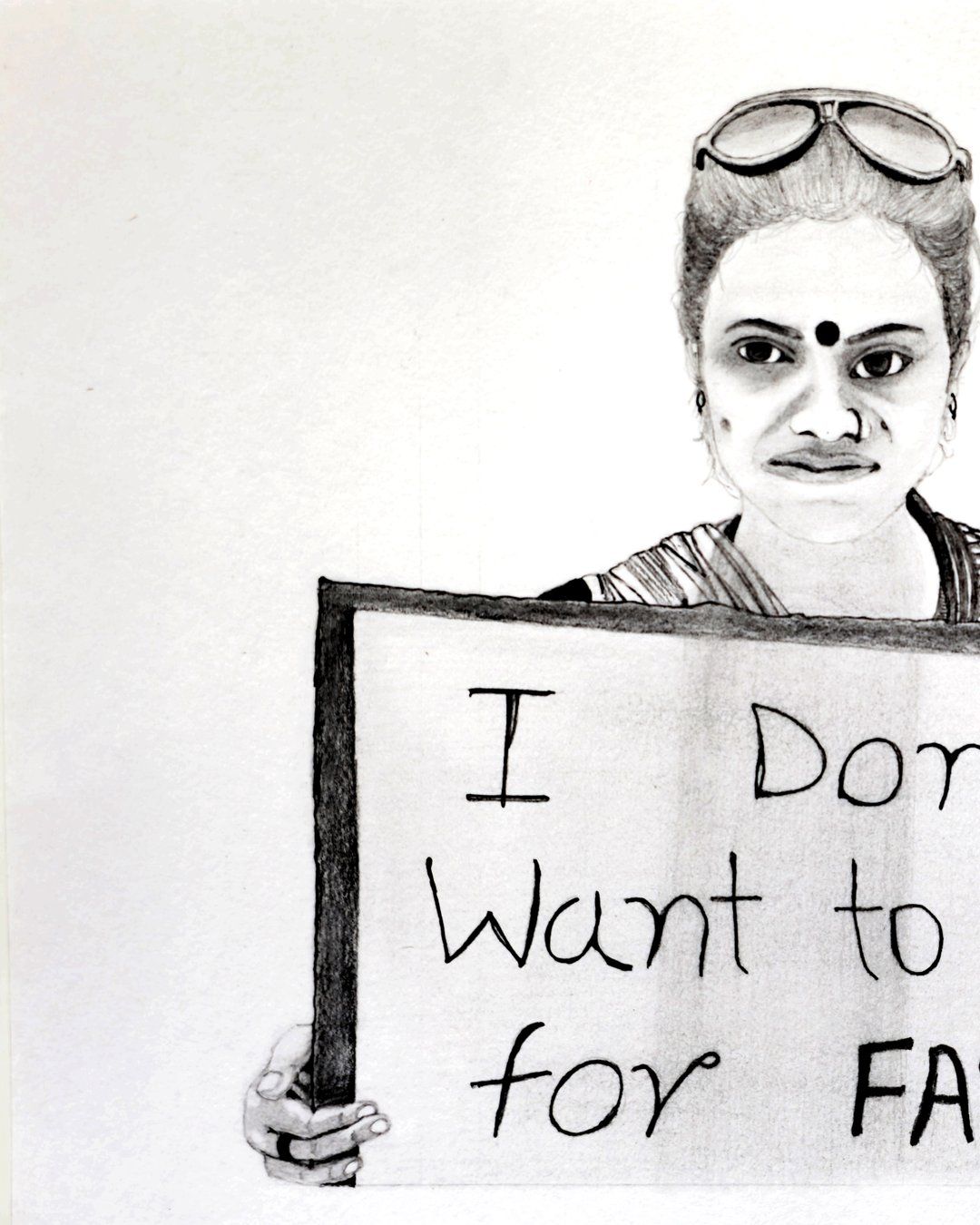
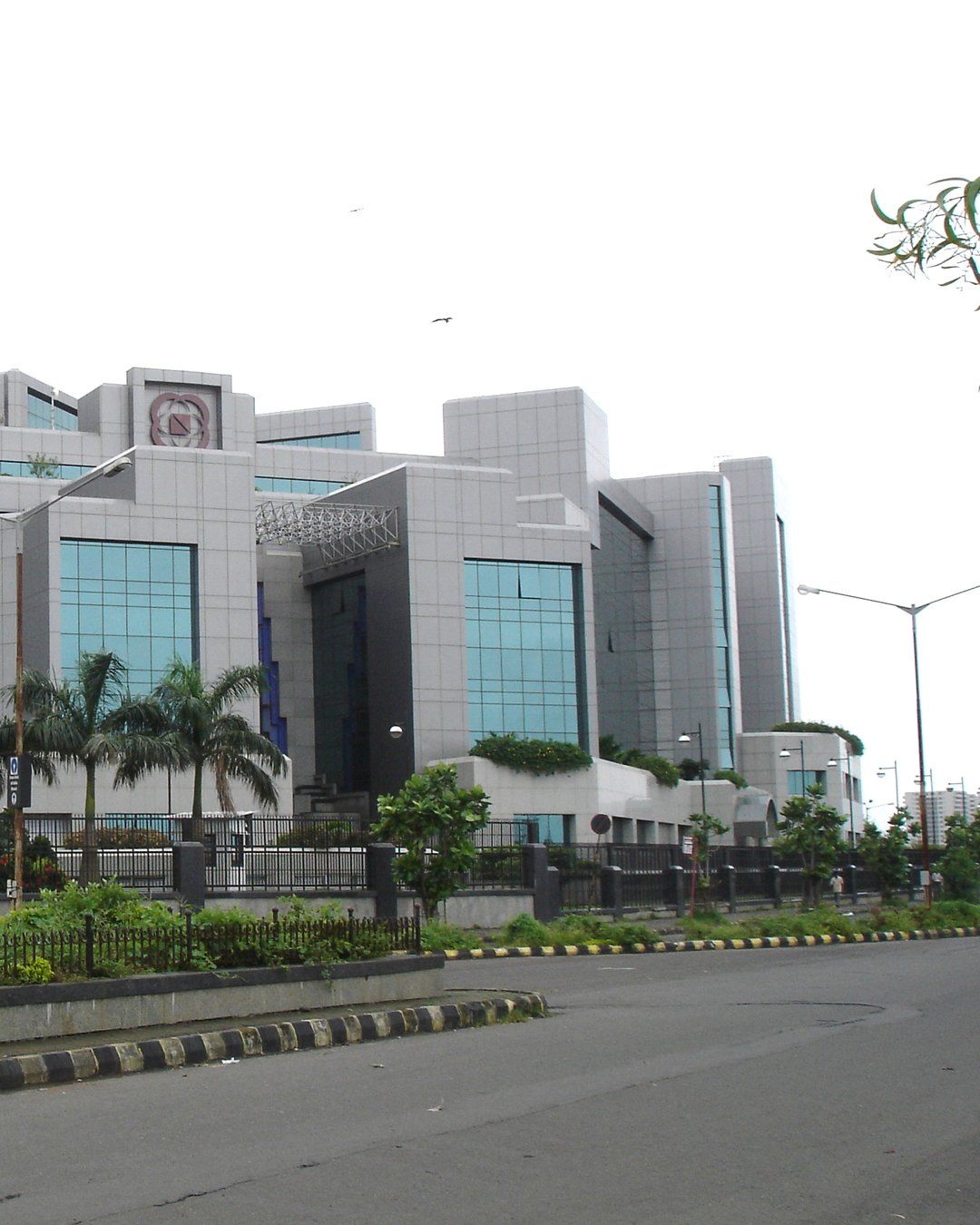
Photos: MOs810, CC BY-SA 3.0; Calistemon, CC BY-SA 4.0
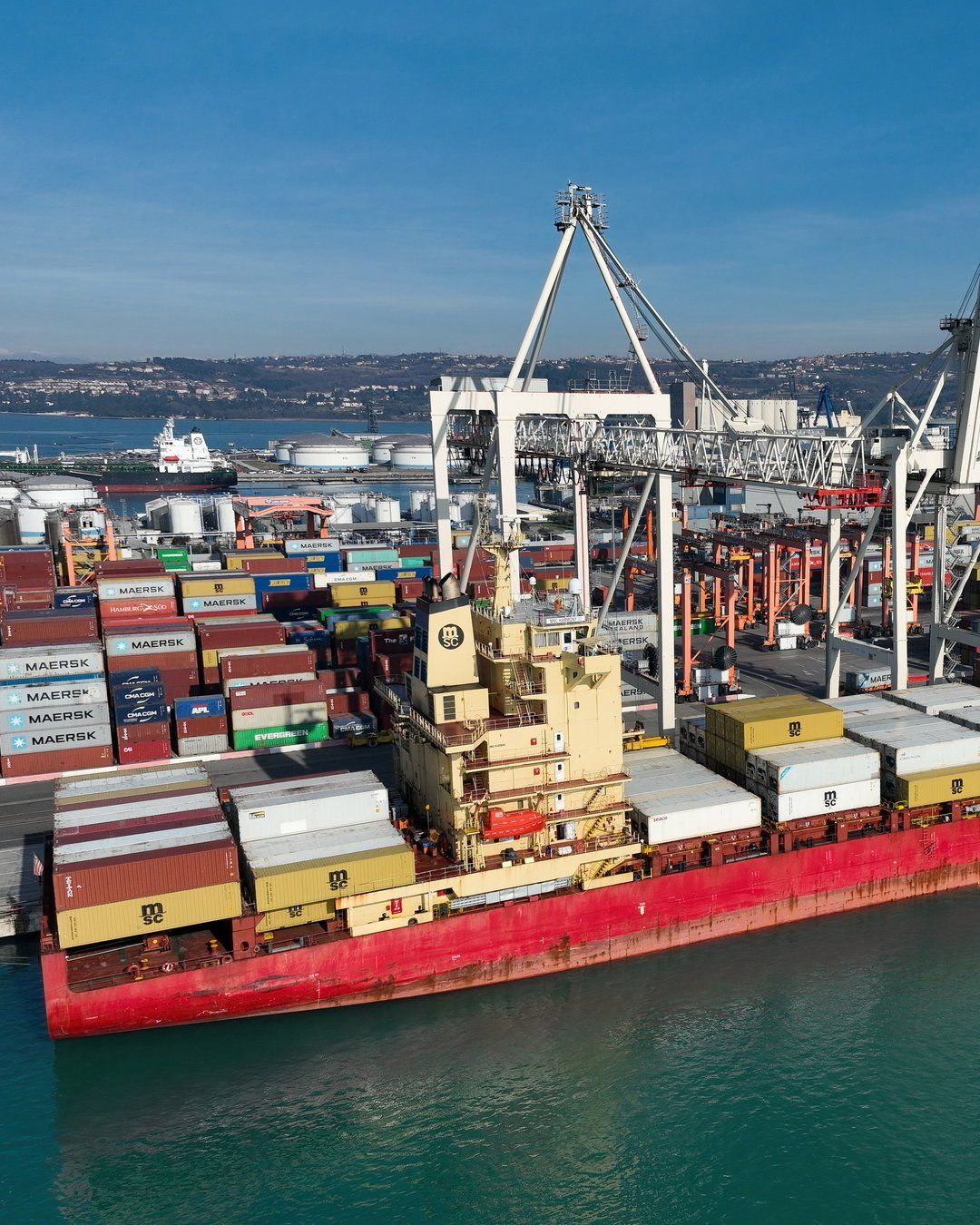
Photo: Upendra Bhojani, CC BY 4.0
Links in this story



 @TimesJetNewsThis story as 7 swipeable cards1/7Zara and H&M shift $254 million in orders to India2/7New hubsIndia leads the winners3/7


Comments