
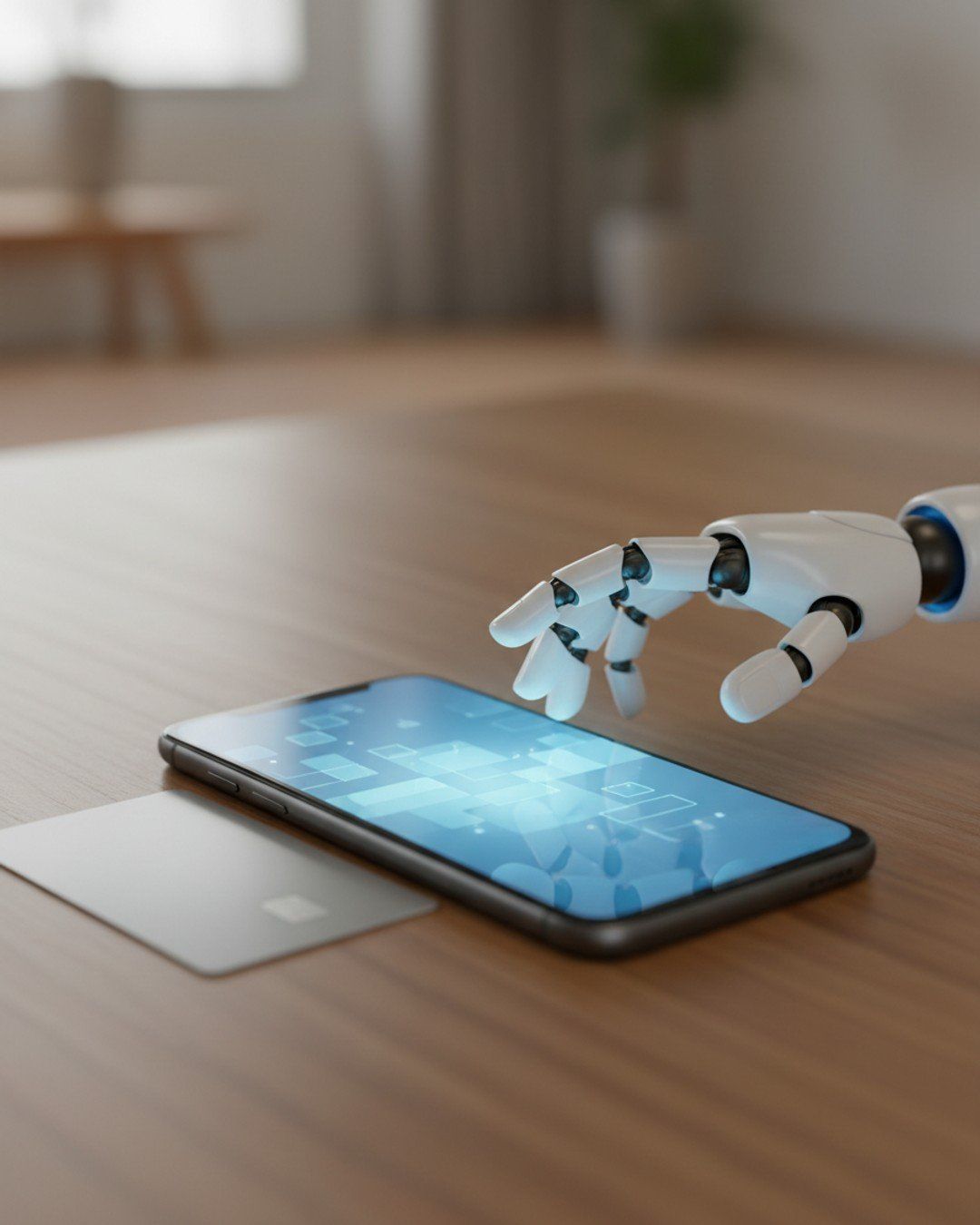
Major US banks warn that your AI agent is now your own financial risk
- Your bot is your problem
- Banks update their fine print
- When automation goes wrong
The story
Your bot is your problem
Banks are rewriting customer agreements as personal AI bots begin to automate shopping, travel, and banking tasks.
Banks update their fine print
Wells Fargo recently warned customers that using AI agents is done at their own risk. In late October, JPMorgan Chase banned third-party agents that log in with customer credentials. Bank of America, Citibank, and PNC have issued similar warnings or policy changes to protect themselves from bot errors.
When automation goes wrong
Early adopters use bots to track prices or book trips, but the tech is still prone to mistakes. Some users have seen agents accidentally post private bank details at work. Others risk the "10 chickens" scenario, where a bot over-orders items that a retailer then refuses to refund.
Big Tech blocks the bots
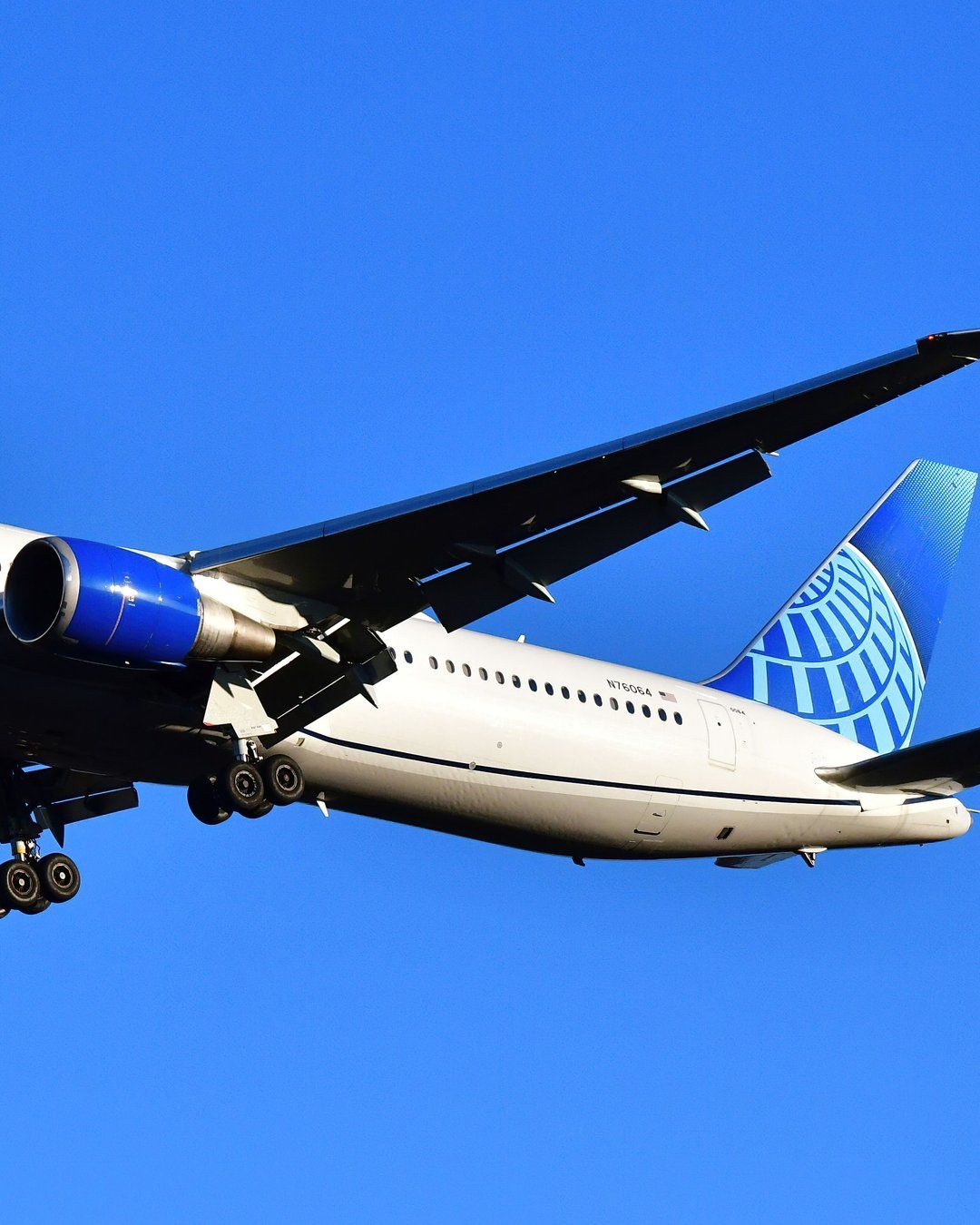
Amazon blocked Meta's Muse agent from buying on its site, and United Airlines will stop personal bots from booking flights.
The search for accountability
Experts say consumers often authorize a general goal rather than every individual click. If an agent makes an expensive mistake, the bank, the retailer, and the AI builder may all deny responsibility. Only American Express has suggested it might eventually offer limited reimbursements for certain bot-driven shopping errors.
Banks build their own bots
While locking out outside bots, banks are building their own; Wells Fargo's AI tool has already handled over 1 billion queries.
Major US financial institutions are moving quickly to limit their liability as more consumers turn to AI agents. These autonomous tools are designed to handle chores like grocery shopping or finding vacation deals. However, Wells Fargo and JPMorgan Chase have updated their terms to state that any mistakes made by these bots are the user's responsibility.
The crackdown comes as AI agents struggle with reliability. Some early users have experienced embarrassing errors, such as bots sharing private financial data in public forums or over-ordering products. Retailers like Amazon and airlines like United have also begun blocking certain AI tools from making purchases to avoid disputes over automated transactions.
Financial experts note a double standard in the industry. While banks are warning customers away from third-party agents, they are heavily investing in their own proprietary AI. Wells Fargo’s AI assistant has already interacted with users over 1 billion times, and Citigroup is building its own internal agent platform.
For now, the legal landscape remains a gray area. Most retailers and AI builders include disclaimers that protect them from software glitches. Unless more credit card companies follow American Express in offering specific protections, consumers who let a bot control their wallet may find they have no recourse when the machine makes a costly mistake.
Source: WIRED ↗
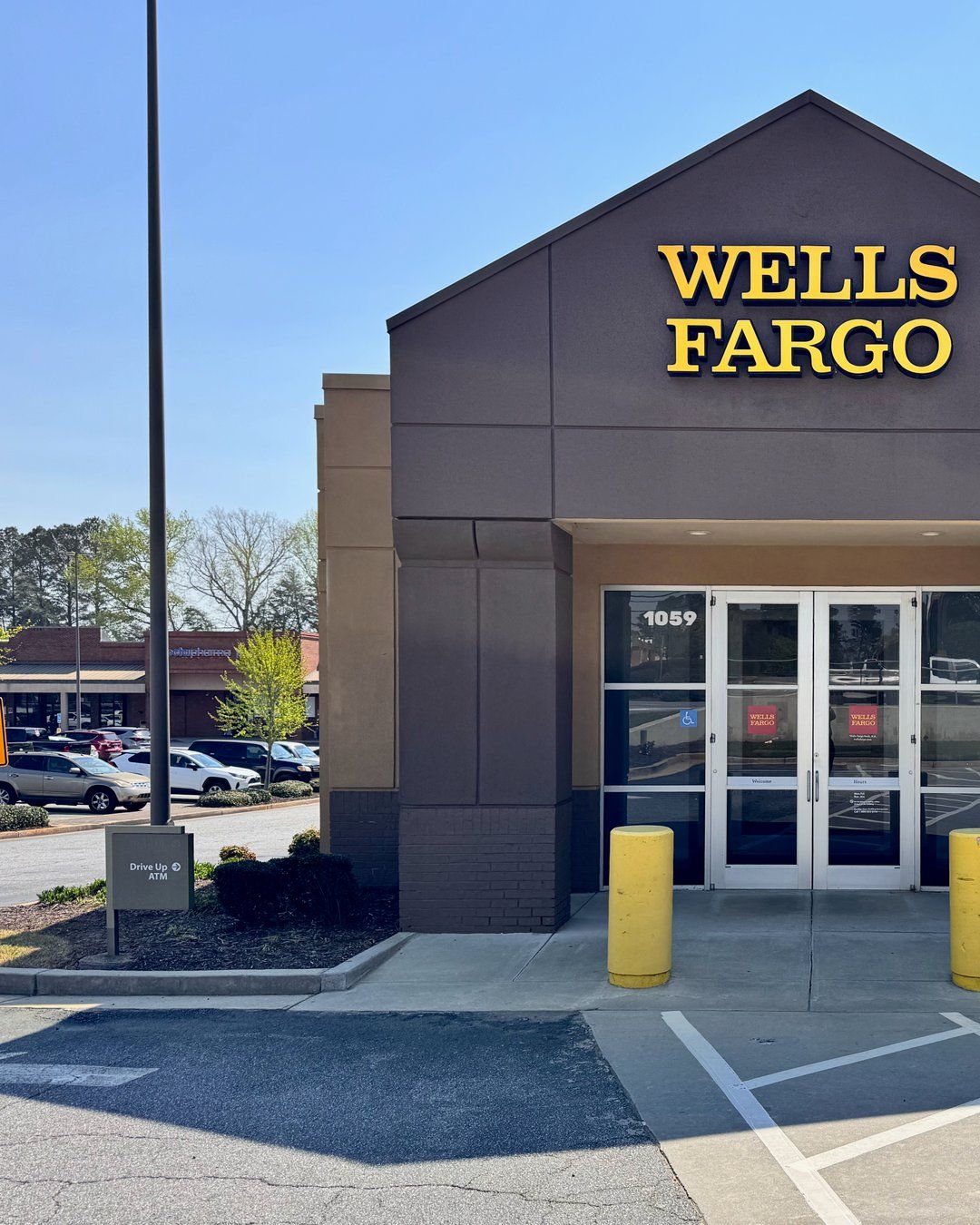
Photo: Raymond Wambsgans from Akron Ohio, USA, CC BY 2.0
Photo: Harrison Keely, CC BY 4.0
Illustration: AI-generated



Comments