
Taliban officials ban women’s names on medical records
- Taliban ban women’s names on files
- Terms like goat or cow are used
- Generic names cause safety fears
By the numbers
- 144
- Decrees against womenTotal count of rights restrictions recorded by Femena
- 12
- Schooling age limitAge at which girls are barred from attending school
The story
Taliban ban women’s names on files
A new order in northern Afghanistan forces clinics and offices to replace women's first names with the generic term Bibi.
Terms like goat or cow are used
Activists report that the mandate is a systematic effort to strip women of their humanity. While officials use the term Bibi, meaning lady or granny, some women are being called by animal names like goat or cow.
Traditionally, speaking a woman's name in public was often seen as an affront to her husband’s honor.
Generic names cause safety fears
Doctors warn that filing dozens of prescriptions under the name Bibi creates a high risk of dangerous medical errors.
Rights are disappearing daily
- More than 144 decrees have stripped women of basic rights since the Taliban returned in 2021.
- Girls cannot attend school past age 12 or hold most jobs.
- The Taliban penal code treats hitting a camel as a more serious crime, carrying five months in jail, than hitting a wife.
Names stay secret even in death
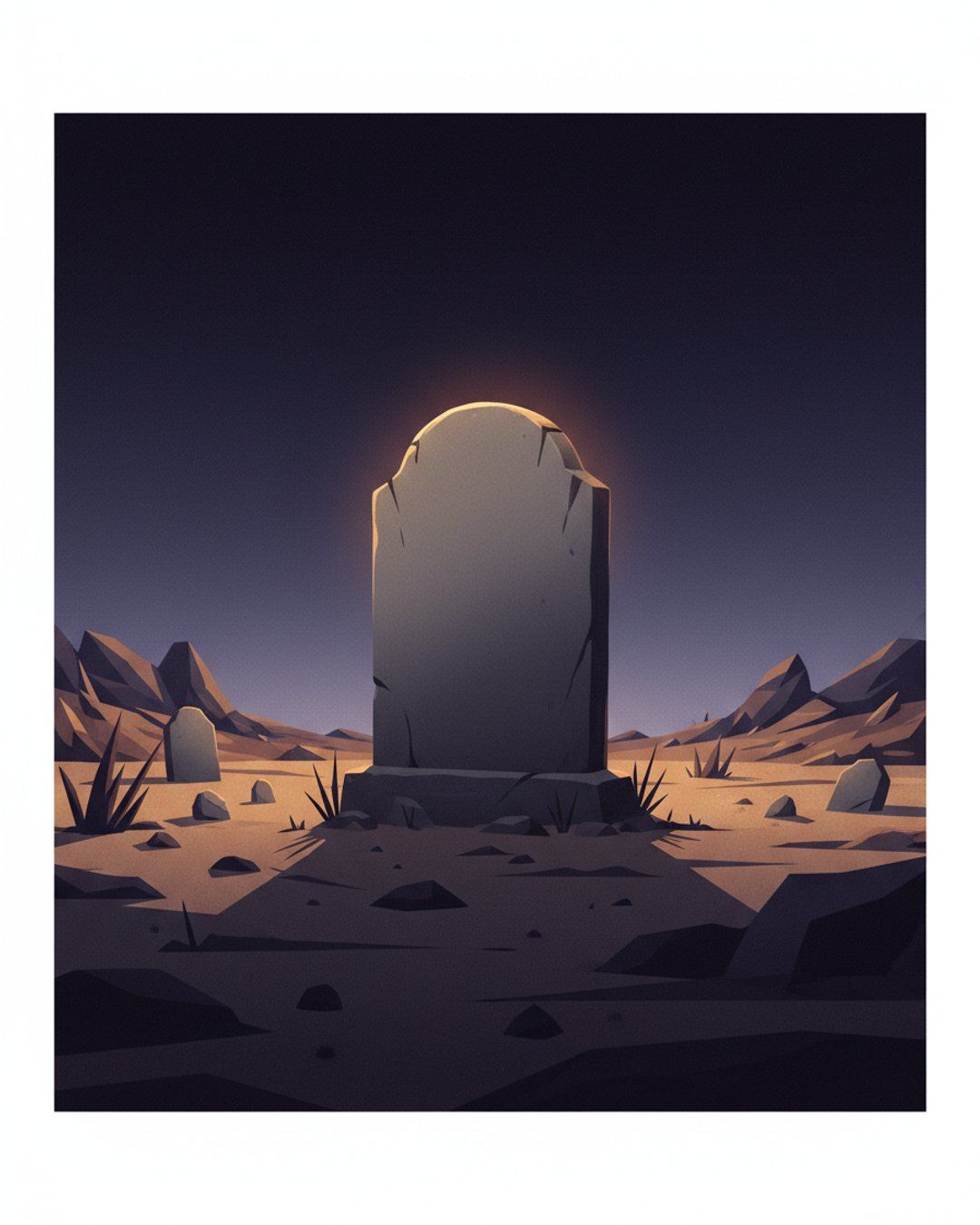
In parts of the country, women’s names are omitted from wedding invites and even their own gravestones.
Identity loss has real costs
One exiled journalist, Khadija Amín, was unable to prove she was the mother of her children in a German court.
Her name was missing from their birth certificates due to Afghan customs. By the time she secured a court claim, her ex-husband had fled back to Afghanistan with the children.
Campaigning for a simple right
Activists like Lalah Osmany continue to fight for the right to be named, calling it an act of resistance.
Taliban morality officials in the northern Afghan province of Balkh have issued a new directive that removes women's individual identities from official documents. According to reports finalized in November 2026, hospitals and private clinics have been ordered to stop using real names on medical records and prescriptions. Staff are now required to use the term "Bibi," a customary word meaning "lady" or "granny," effectively erasing the patient's persona.
Human rights activists like Lalah Osmany, who founded the Where Is My Name campaign, describe the move as a systematic process of dehumanization. They report that in some instances, women are even addressed by animal-related terms such as "goat" or "cow." This naming mandate in Balkh follows a long history of tribal customs where women's names are excluded from wedding invitations and gravestones to protect family honor, but the new decree makes this erasure a formal government requirement.

For readers, this development highlights the collapsing state of healthcare and legal protections for millions of people in Central Asia. Medical professionals warn that registering dozens of patients under the same generic name makes it nearly impossible to track health histories accurately. The risk of giving the wrong medication or failing to follow up on a specific diagnosis is high, which could lead to preventable deaths in a system where women are already barred from most medical education.
Beyond health, the lack of a legal name prevents women from owning property or proving their identity in international courts. This latest restriction joins more than 144 other decrees issued since 2021 that ban girls from school past age 12 and prevent women from most forms of employment. While the order is currently focused on Balkh, rights groups like Femena fear the Taliban will soon expand the mandate to all 34 provinces, making the public existence of women a punishable offense.
Source: outlookindia.com, EL PAÍS English, KT ↗
Photo: Ominae, CC BY-SA 4.0
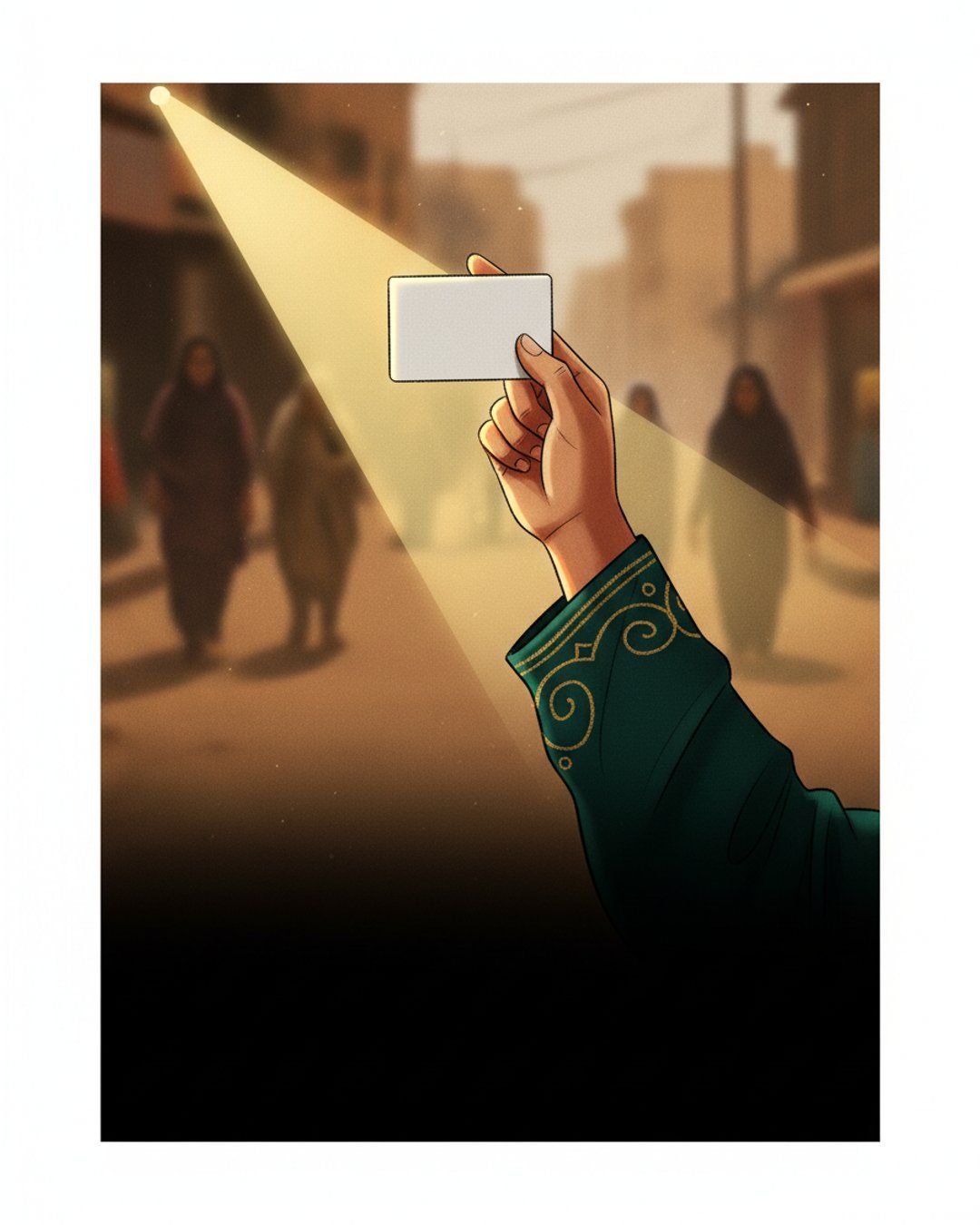
Illustration: AI-generated
Photo: BlankeVla, CC BY-SA 4.0
Links in this story



 @TimesJetNewsOn Instagram · a new story every hour

Comments