
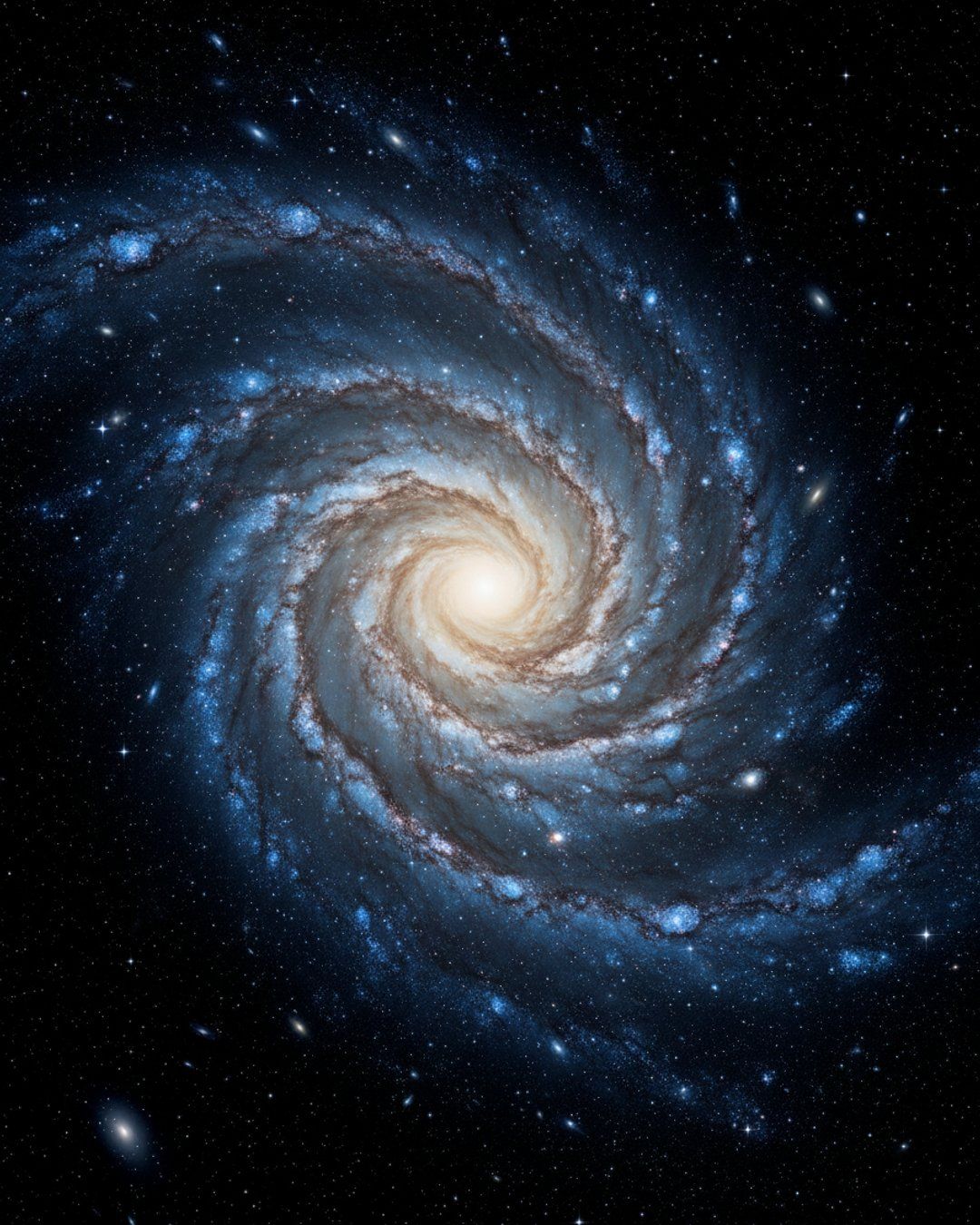
Astronomers piece together a giant star swallowing its companion
- A giant star swallows its partner
- A seven-year slow spiral
- Webb finds the final evidence
The story
A giant star swallows its partner
For the first time, scientists have reconstructed the full sequence of one star plunging into another and merging into a single body.
A seven-year slow spiral
The system, nicknamed "Bao," consisted of a supergiant 350 times wider than the sun and a smaller companion star. Around 2018, the small star began skimming the giant's outer layers. Friction from the gas slowed the partner down, dragging it inward for 7 orbits until it finally slammed into the giant's core in October 2025.
Webb finds the final evidence
The James Webb Space Telescope imaged the cooling debris just 47 days after the explosion, the fastest ever follow-up for such an event.
A bomb inside a living star
When the cores collided, the smaller star was ripped apart by gravity. The energy triggered an eruption 18,000 times brighter than the sun, hurling 10% of the giant's outer shell into space. Astronomers compared the violent event to a bomb detonating inside the larger star's body.
Clues to black hole origins
Understanding this "common-envelope" phase helps explain how binary stars eventually become neutron stars, black holes, or massive supernovas.
Hunting for more mergers
Researchers believe these events are rare; only a few stars are in this phase at any time in a galaxy. However, new tools like the Vera Rubin Observatory will soon scan millions of galaxies. This discovery creates a benchmark for automated systems to find similar "star-within-a-star" mergers across the universe.
The survivor settles down
The merged star, now simply called Bao, remains under surveillance to see how the single, rejuvenated remnant stabilizes over time.
Astronomers have achieved a major milestone by reconstructing the first real-time collision between two stars. Using the James Webb Space Telescope (JWST) and decades of archival data, an international team led by Columbia University watched a small, sun-like star spiral into its giant neighbor. The system is located in the Andromeda galaxy, roughly 2.5 million light-years from Earth.
The pair, nicknamed "Bao," lived as a binary system for thousands of years before the primary star swelled near the end of its life. In 2018, the companion star entered the giant's outer atmosphere. This created a "common envelope" where both stars shared the same gas shell. Over the next seven years, the smaller star spiraled inward across seven revolutions, losing energy to friction.
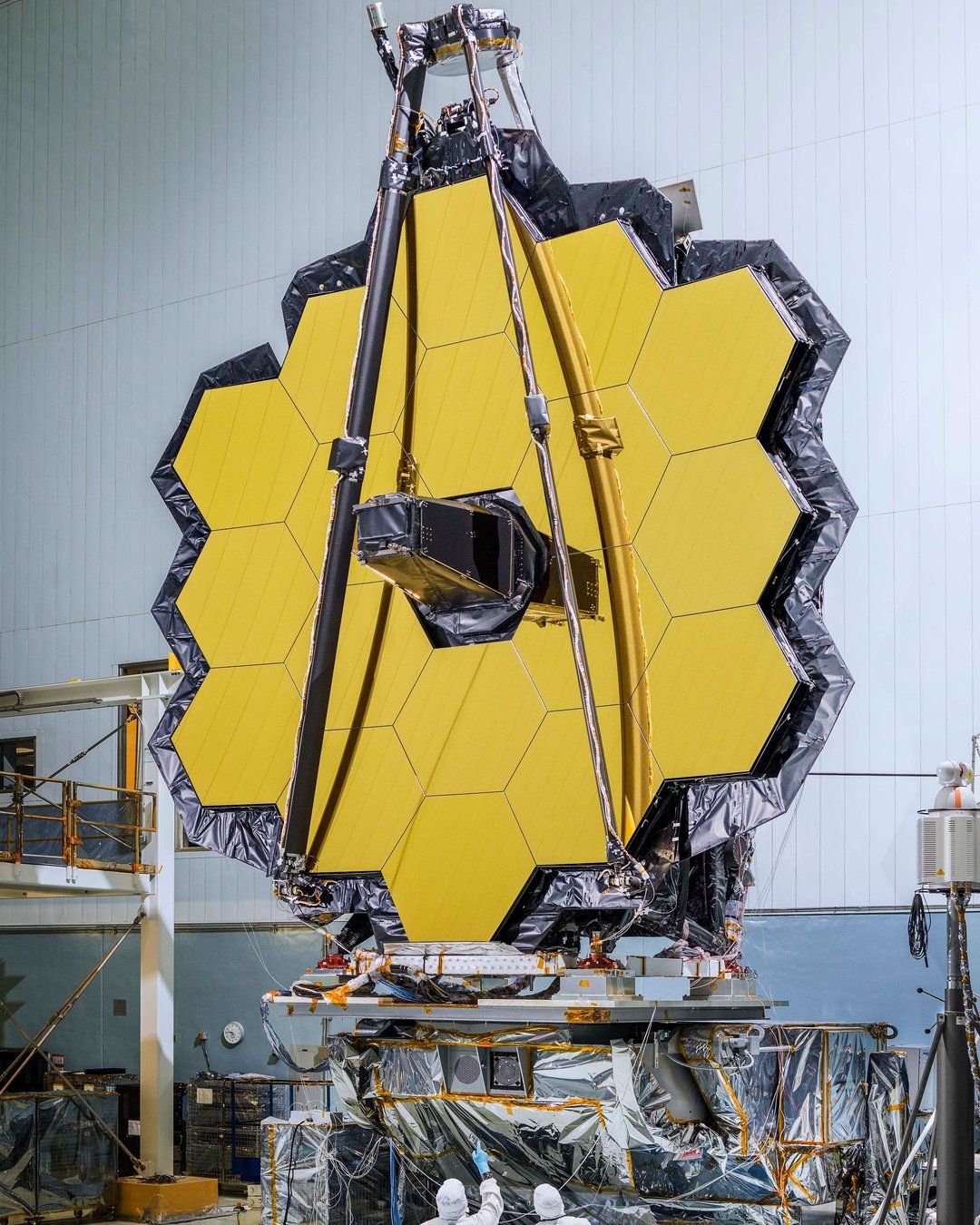
The final merger occurred in October 2025, triggering a luminous red nova outburst that peaked in just one week. JWST was mobilized only 47 days later to pierce through the resulting dust cloud. Its mid-infrared instruments measured the debris mass and structure, confirming that about 10% of the giant's envelope had been blasted away during the core collision.
This discovery provides the first empirical data for a long-theorized phase of stellar evolution. This process is responsible for creating tight binary pairs that later become black holes or generate gravitational waves. Scientists now have a benchmark to calibrate their computer models for how energy and mass are transferred during these violent cosmic encounters.
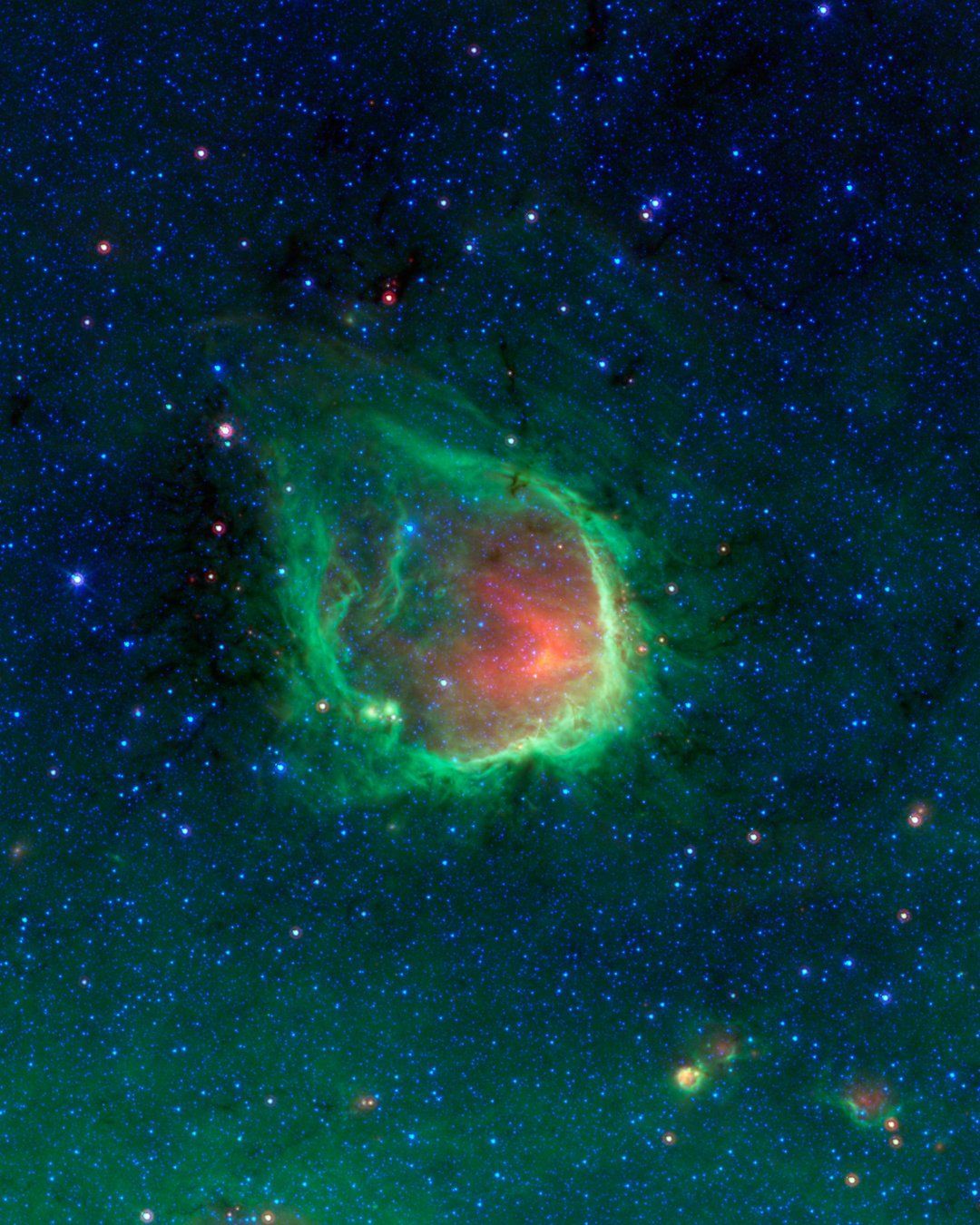
Future missions like the Vera C. Rubin Observatory and the Nancy Grace Roman Space Telescope are expected to find hundreds more of these events. For now, astronomers will continue to monitor the newly merged star to see how it settles after its massive feast.
Source: CASRAI, Mashable, Mirage News ↗
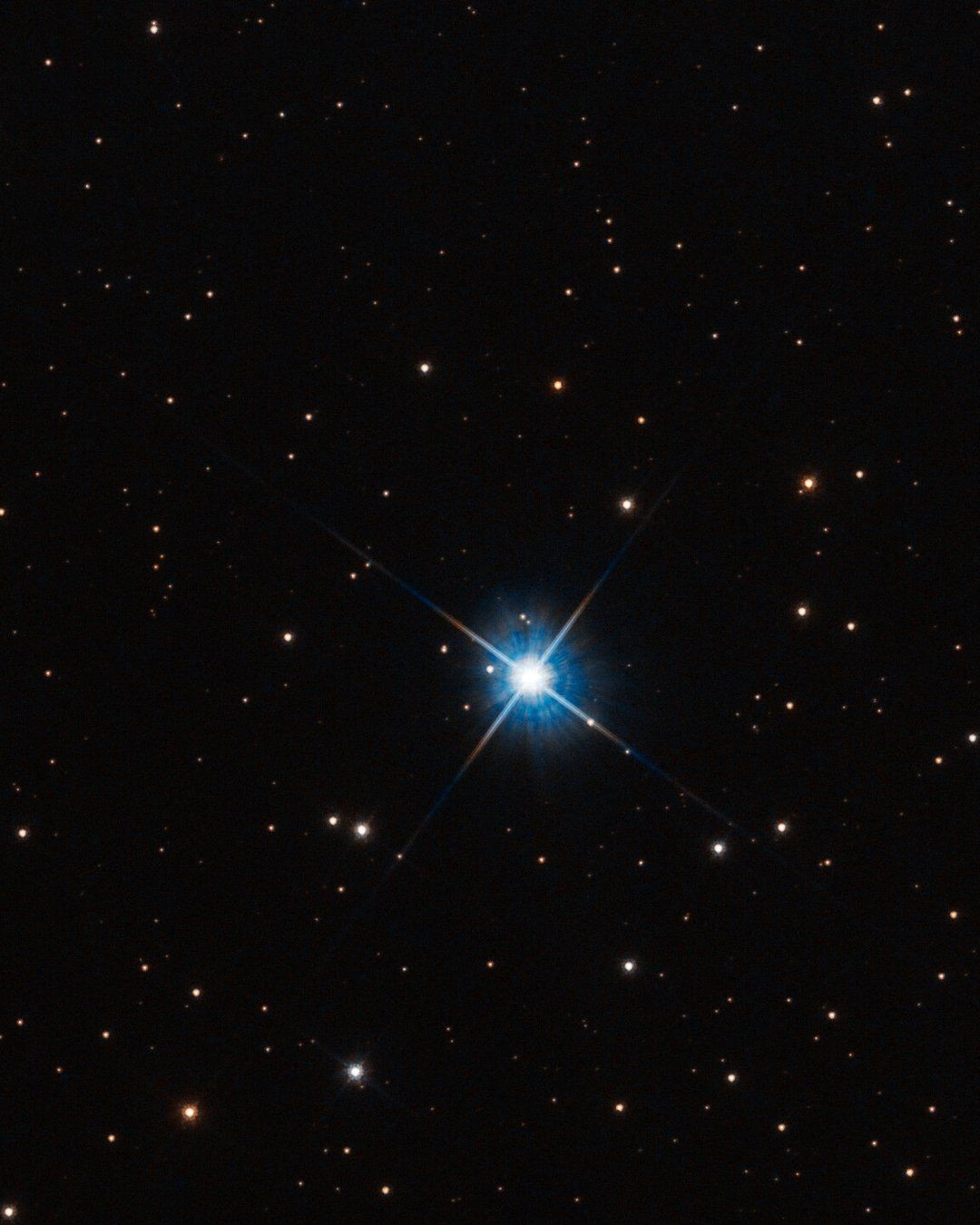
Photos: Chris Gunn, CC BY 2.0; NASA/JPL-Caltech, Public domain (NASA); NASA, ESA, P. McGill Univ. of California, Santa Cruz and University of Cambridge, K. Sahu STScI, J. Depasquale STScI, CC BY 4.0
Illustration: AI-generated





Comments