
Northrop Grumman wins $290 million NASA deal to track global weather
- NASA funds better weather tools
- Building the NEON network
- Sensing through the clouds
The story
NASA funds better weather tools
A $290.6 million contract will produce advanced microwave sounders to track atmospheric moisture and temperature through 2042.
Building the NEON network
The project is part of the Near Earth Orbit Network (NEON), a joint effort between NASA and NOAA. While NOAA funds the program and uses the data, NASA manages the development and launch of the satellites. They are working with private partners to build a faster, more resilient weather monitoring system.
Sensing through the clouds
Northrop Grumman will design and build three instruments called SMBA.
Predicting the next storm
The National Weather Service expects these new tools to improve medium-range forecasts. By capturing more precise details on temperature and humidity, the instruments help meteorologists spot developing weather patterns earlier. This gives communities more time to prepare for severe events like hurricanes or heavy snow.
Work starts this month
The contract begins on Nov. 23 and spans nearly two decades.
NASA has awarded a $290.6 million contract to Northrop Grumman to build the next generation of weather-monitoring tools. On behalf of the National Oceanic and Atmospheric Administration (NOAA), the space agency is commissioning three advanced instruments known as Sounders for Microwave-Based Applications (SMBA).
These sensors will fly on NOAA’s Near Earth Orbit Network (NEON) satellites. They are designed to measure temperature and moisture throughout the atmosphere. Because they use microwave technology, they can see through thick cloud cover that often blocks other types of satellite sensors.
The data collected by these instruments is vital for the National Weather Service. It significantly influences the accuracy of medium-range forecasts, helping scientists predict weather patterns several days in advance. Better data leads to earlier warnings for storms, heatwaves, and other significant weather events.
The contract is a long-term commitment that runs through April 1, 2042. Northrop Grumman will be responsible for the entire lifecycle of the three instruments, including their design, development, and testing. NASA’s Goddard Space Flight Center will manage the acquisition process.
This mission highlights the ongoing collaboration between NASA and NOAA. While NASA handles the technical development and the rocket launches, NOAA takes over once the satellites are in orbit. NOAA owns the hardware and ensures the atmospheric data is distributed to meteorologists and researchers across the globe.

Source: NASA ↗
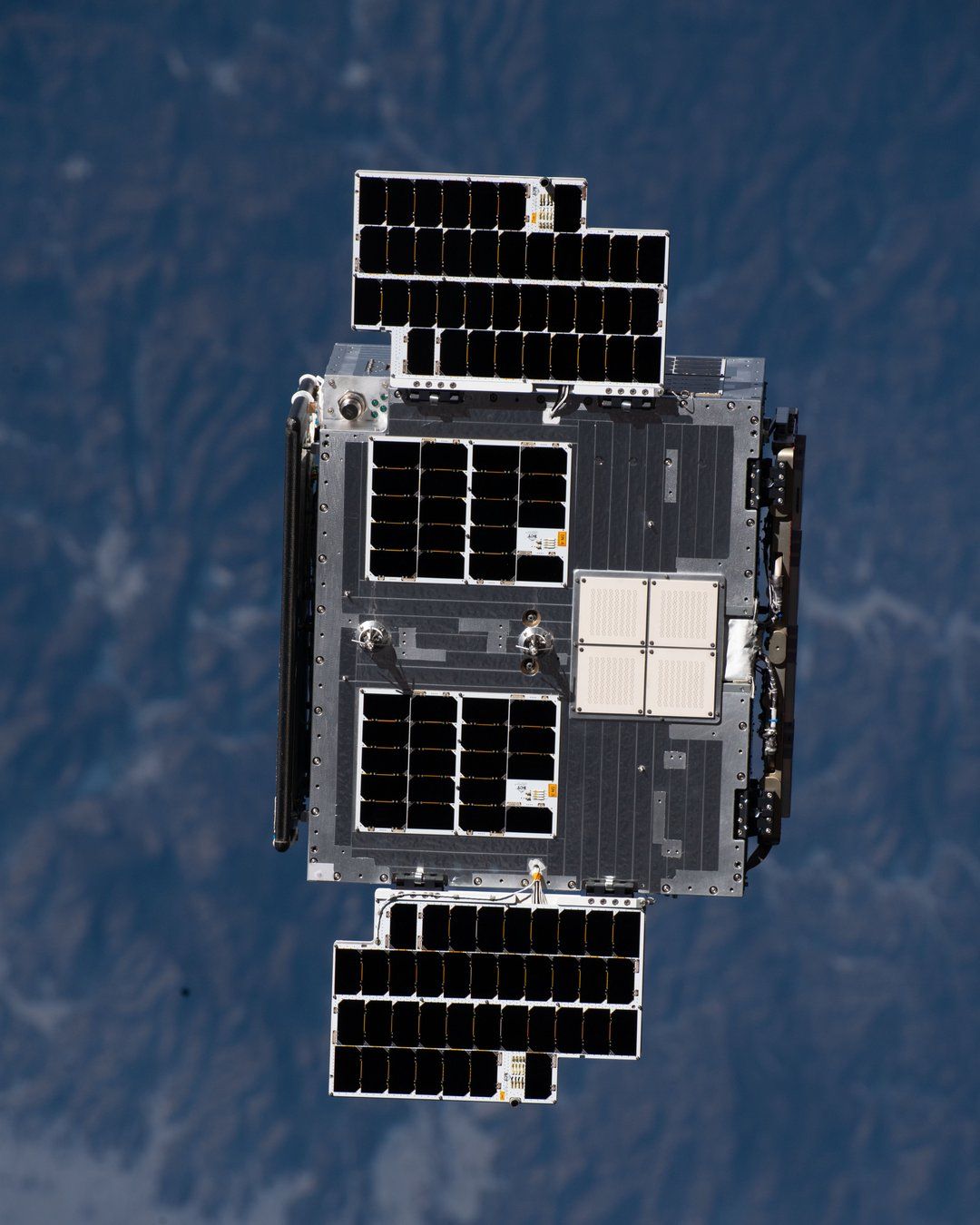
Photo: NASA, Public domain (NASA)
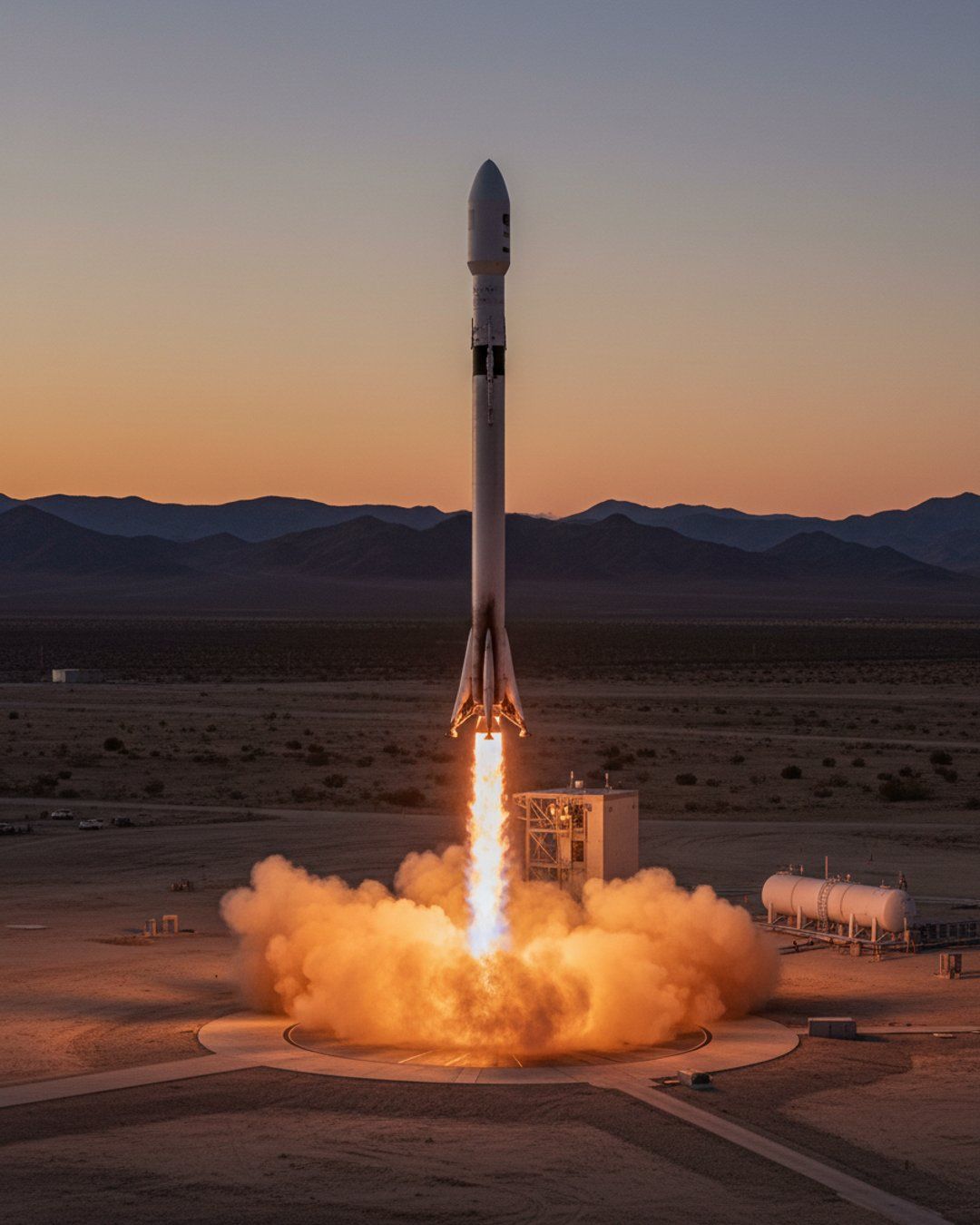
Illustration: AI-generated


Comments