

NASA is building a nuclear reactor to power the Moon's long nights
- A nuclear heart for the Moon
- Small size with high output
- Surviving the two-week night
The story
A nuclear heart for the Moon
NASA is seeking industry partners to build a fission reactor that can provide continuous power for future lunar bases by 2030.
Small size with high output
The project, named Lunar Reactor-1, aims to generate 20 kilowatts of electricity. That is enough power to run about 16 average American homes.
This energy will support habitats, rover charging, and scientific tools. NASA wants the system to be flight-ready by 2030 and last for at least five years.
Surviving the two-week night
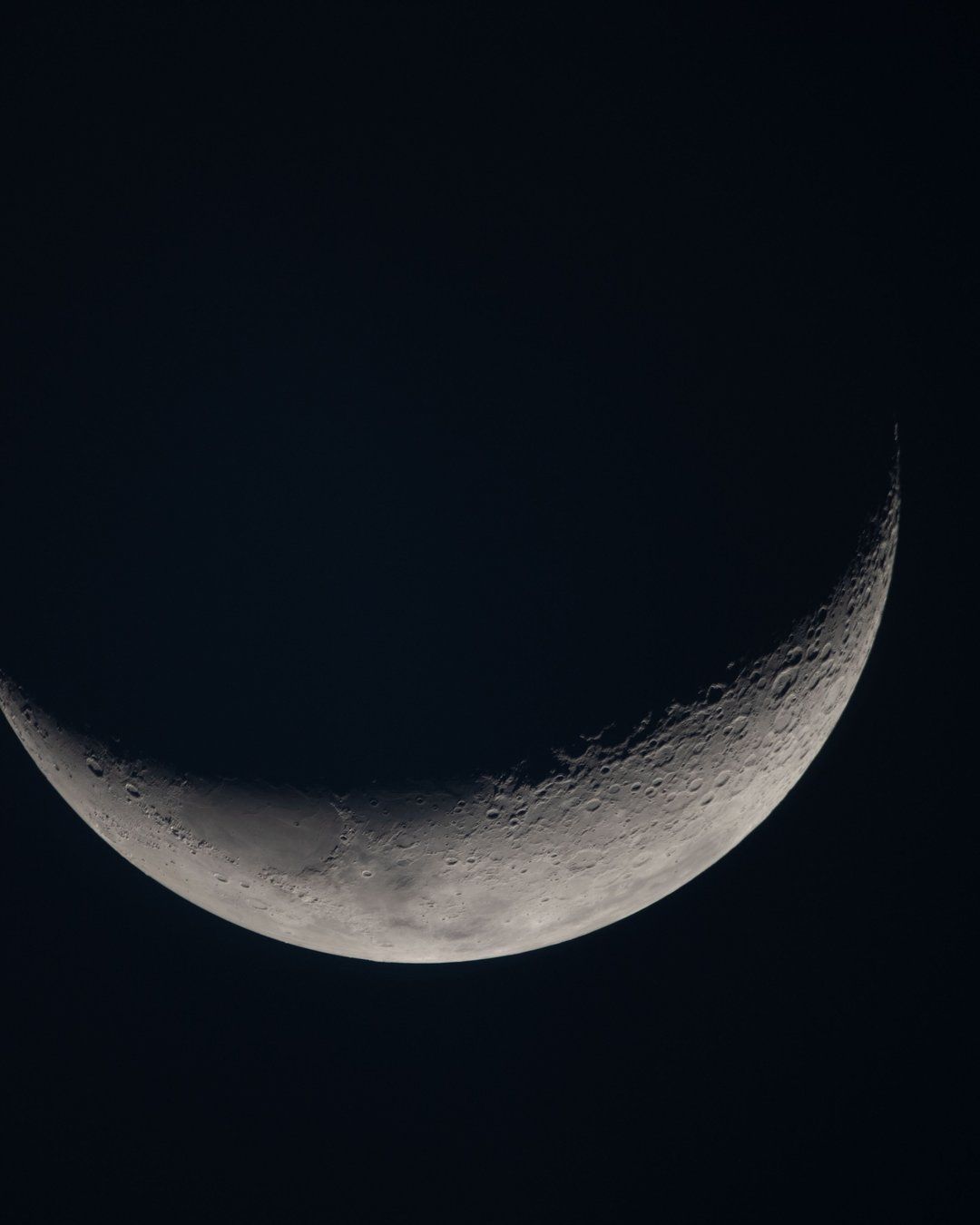
Solar power is unreliable on the Moon because lunar nights last for 14 Earth days.
Strict government standards
The project is a joint effort between NASA and the Department of Energy. Because it uses nuclear fuel, the design must meet strict DOE safety standards for operations.
Companies interested in building the reactor have until December 21 to submit their formal proposals to the agency.
Faster trips to the Red Planet
The lunar project is just one part of a larger plan.
NASA is calling on private industry to help design a nuclear fission reactor for the lunar surface. The project, known as Lunar Reactor-1 (LR-1), is a critical step toward establishing a long-term human presence on the Moon. The agency needs a power source that does not rely on sunlight to keep life-support systems running during the long lunar night.
The proposed reactor is designed to produce 20 kilowatts of power, which is roughly what 16 average U.S. households use in a year. This electricity will be used to power communications, rovers, and future habitats. Unlike solar panels, which are useless during the 14-day-long lunar nights, a nuclear reactor provides a constant and reliable flow of energy.
Safety is a top priority for the project. The solicitation requires all designs to meet Department of Energy safety standards for nuclear operations. NASA and the DOE are working closely to ensure the system is safe for both the environment and the astronauts who will eventually live near it. Proposals from interested companies are due by December 21.
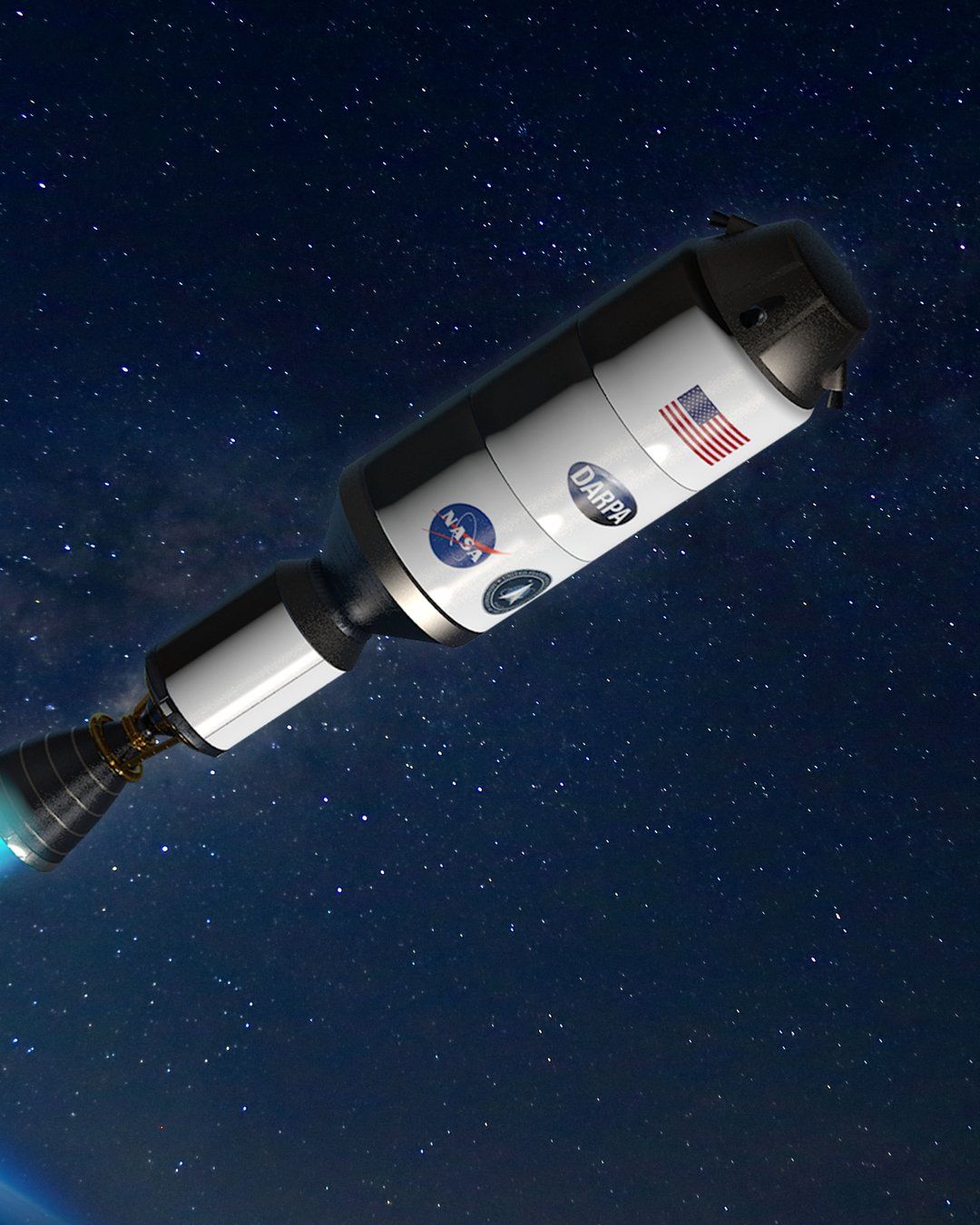
This technology also has implications for Mars. NASA is already working on a separate system called SR-1 Freedom, which is slated for a 2028 launch. That mission will demonstrate nuclear electric propulsion. By using a reactor to generate electricity for propulsion, NASA hopes to build spacecraft that can travel to deep space destinations faster than ever before.
By investing in these nuclear systems, NASA aims to overcome the limitations of solar power in the outer solar system. Whether it is surviving a dust storm on Mars or a night on the Moon, these reactors will provide the energy needed to sustain life and conduct science in the most challenging environments in the solar system.
Source: NASA ↗
Photos: NASA Kennedy Space Center / NASA/John Kraus, Public domain; DARPA, Public domain; NASA, Public domain (NASA)


Comments