
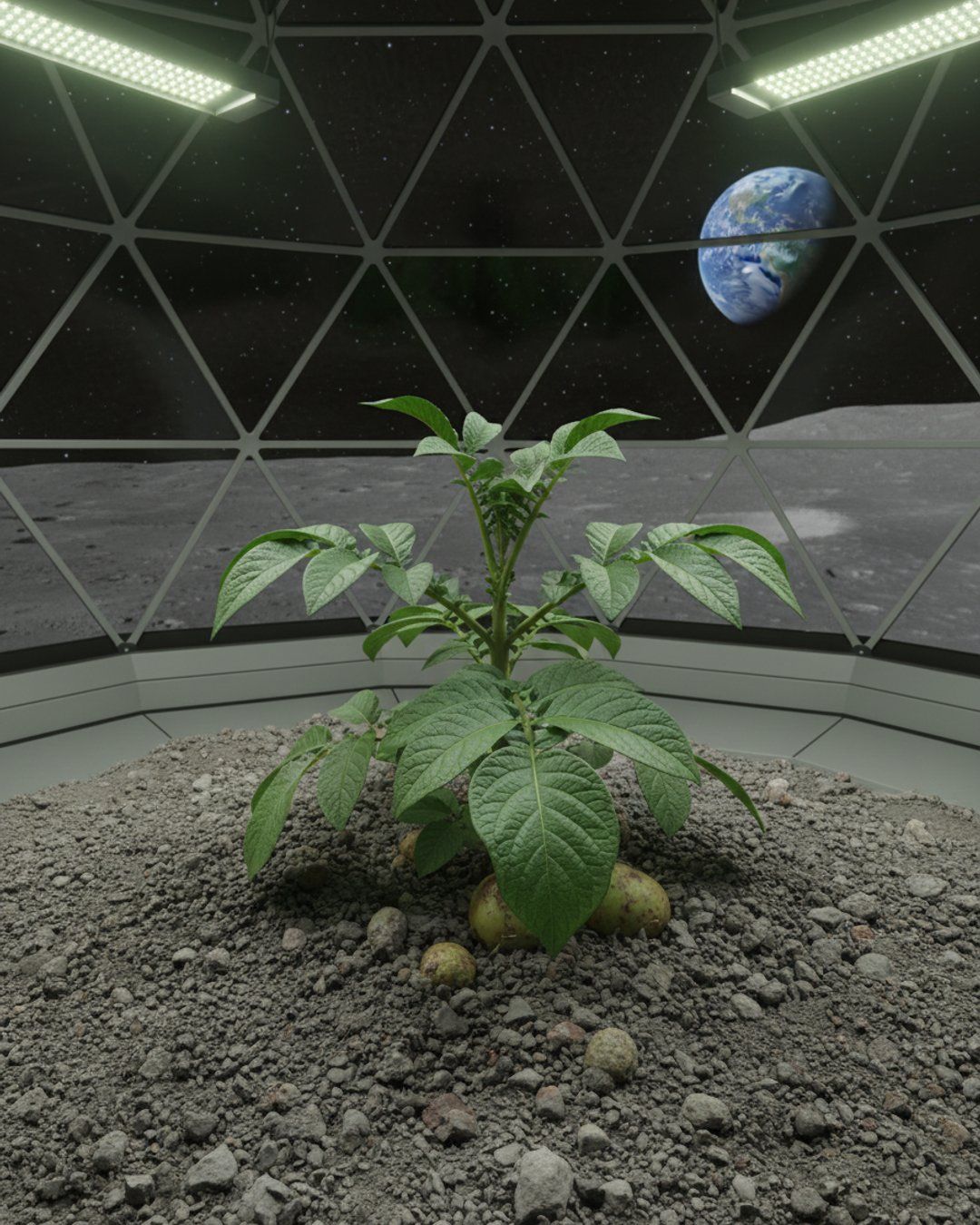
Scientists grow potatoes in moon dust to help astronauts live on the lunar surface
- Moon dust yields a potato harvest
- Shipping food is too expensive
- Compost unlocks the lunar soil
The story
Moon dust yields a potato harvest
Researchers at Oregon State University successfully grew potatoes in simulated moon dust to support future long-term lunar missions.
Shipping food is too expensive
NASA wants a permanent presence on the moon, but feeding astronauts is a major hurdle. It is incredibly costly to transport every meal from Earth.
To survive long-term, humans must learn to grow their own food using the materials already available on the lunar surface.
Compost unlocks the lunar soil
Raw moon dust, or regolith, contains compounds that can be toxic to plants.
Testing different lunar regions
The moon’s surface is not uniform. Scientists used five different materials to mimic the dust found in various lunar areas.
They tested simulated regolith from both the dark "mare" plains and the lighter "highland" regions to ensure the farming method works across the different terrains astronauts might explore.
Astronauts may carry soil starters
The discovery suggests that future moon dwellers could bring small amounts of nutrient-rich starter soil from Earth.
Researchers at Oregon State University have achieved a major milestone for space exploration by successfully growing potatoes in simulated moon dust. The study, published in the Microgravity science journal, proves that lunar soil can support life when supplemented with organic matter.
NASA provided funding for the research as part of its plan to establish a permanent base on the moon. Shipping three meals a day for every astronaut from Earth is prohibitively expensive, so finding a way to farm on-site is essential for long-term survival.
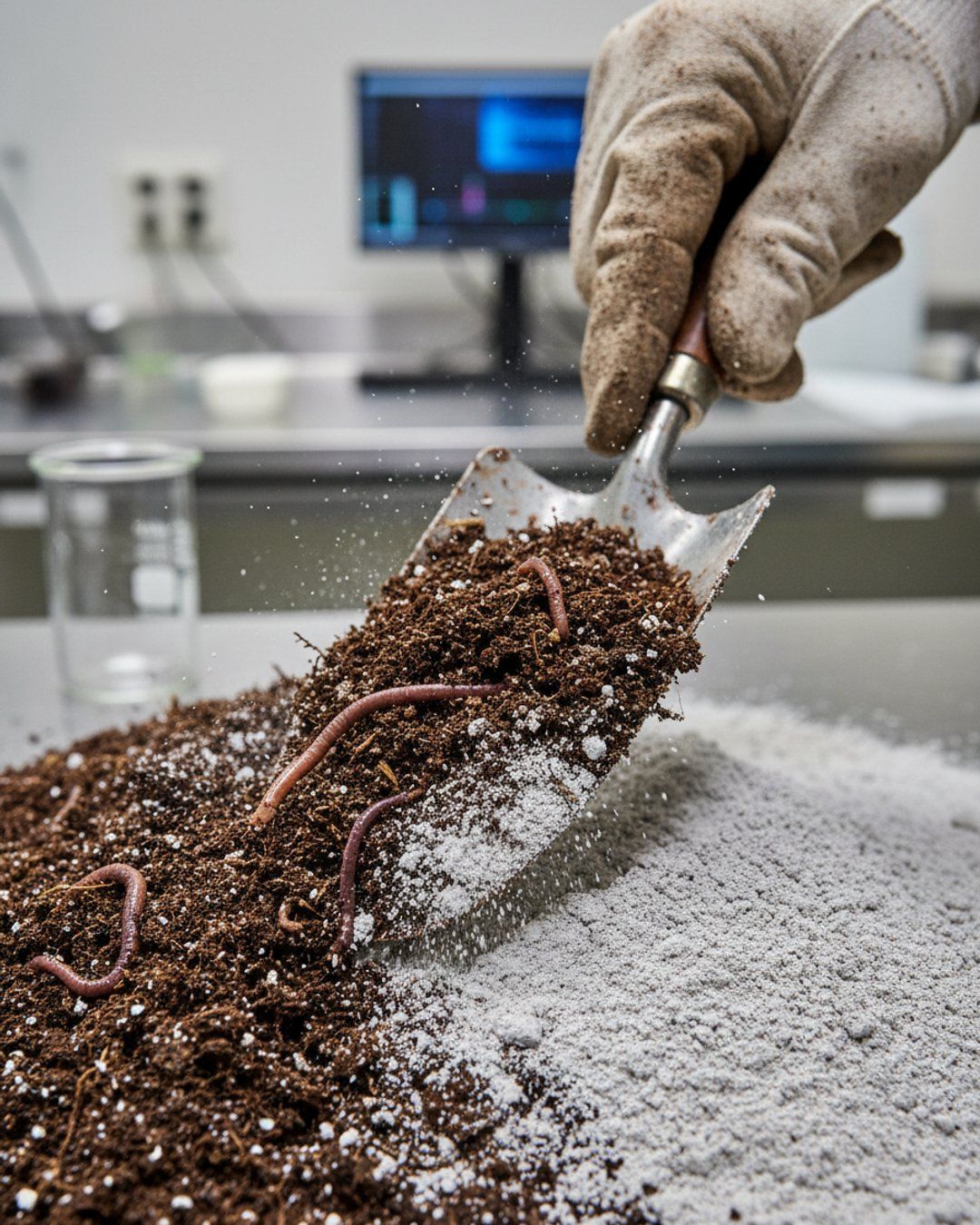
The team used five different types of simulated regolith to mimic various regions of the moon, including the highlands and volcanic plains. Because raw moon dust can be toxic to plants, the scientists mixed it with vermicompost, a soil rich in nutrients.
The results showed that a mixture of 30 percent compost allowed the potatoes to grow almost as effectively as they do in regular Earth soil. The compost acts as a buffer, reducing the plants' exposure to the harmful compounds found in the lunar regolith.
This breakthrough means that future astronauts might only need to bring a small amount of organic starter material with them. By mixing it with the dust already on the moon, they can create a self-sustaining food system far from home.
Source: Space ↗
Illustration: AI-generated



Comments