
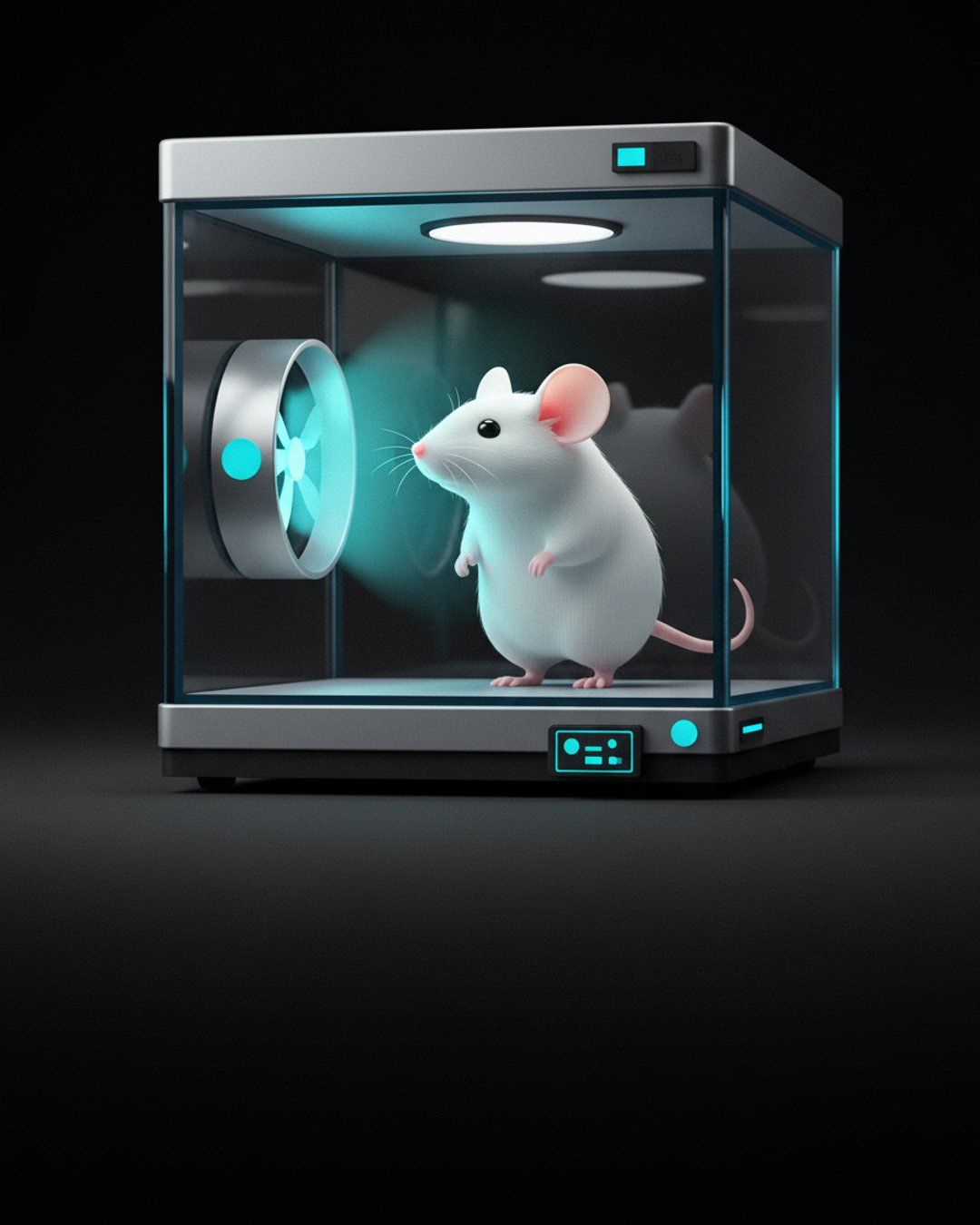
Breathing less oxygen tripled lifespan in diseased mice
- Less oxygen triples mouse lifespan
- When oxygen becomes a toxin
- Protein clogs stop the burn
By the numbers
- 75 genes
- Potential targetsDiseases that could benefit from this therapy
- 90%
- Oxygen useAmount of oxygen consumed by healthy mitochondria
The story
Less oxygen triples mouse lifespan
Mice with a deadly brain disorder lived three times longer when breathing air with less oxygen than usual.
When oxygen becomes a toxin
Oxygen is vital for life, but Gladstone Institutes scientists found it can be toxic if it builds up.
Mitochondria, the power plants in cells, normally burn off 90% of the oxygen we breathe. If they malfunction, unused oxygen accumulates in tissues, damaging the brain and motor neurons.
Protein clogs stop the burn
Misfolded proteins can clog mitochondrial machinery, preventing cells from burning off oxygen at healthy rates.
Targeting 75 genetic diseases
- Researchers identified 75 genes linked to diseases that might benefit from low oxygen.
- These include Leigh syndrome, the most common pediatric mitochondrial disease.
- The therapy also shows promise for Parkinson’s and conditions linked to premature aging.
- Reducing oxygen levels also lowered brain inflammation in tests.
A pill to mimic high altitude
Scientists are developing a drug called HypoxyStat to provide the benefits of low oxygen via a simple pill.
Transforming brain care
The goal is to turn "hypoxia therapy" into a practical treatment for humans. By adjusting the oxygen dial, doctors might soon treat rare genetic conditions that currently have no uniform cure.
Research continues to see if this method can slow neurodegeneration in more common age-related diseases.
Scientists at the Gladstone Institutes have discovered a counterintuitive way to treat deadly neurological disorders: breathing less oxygen. In a study published in Nature Metabolism, researchers found that mice with a genetic brain disorder lived three times longer when they were exposed to air with reduced oxygen levels. This strategy, known as hypoxia therapy, targets the underlying cause of several mitochondrial diseases.
Most people think of oxygen as purely beneficial, but the study explains how it can become toxic. In many neurological conditions, the mitochondria—the energy-producing structures in our cells—lose their ability to consume oxygen efficiently. When this happens, the unused 90 percent of oxygen builds up to dangerous levels in surrounding tissues. This buildup can lead to the degeneration of motor neurons and serious brain damage, as seen in conditions like Parkinson's disease and Leigh syndrome.
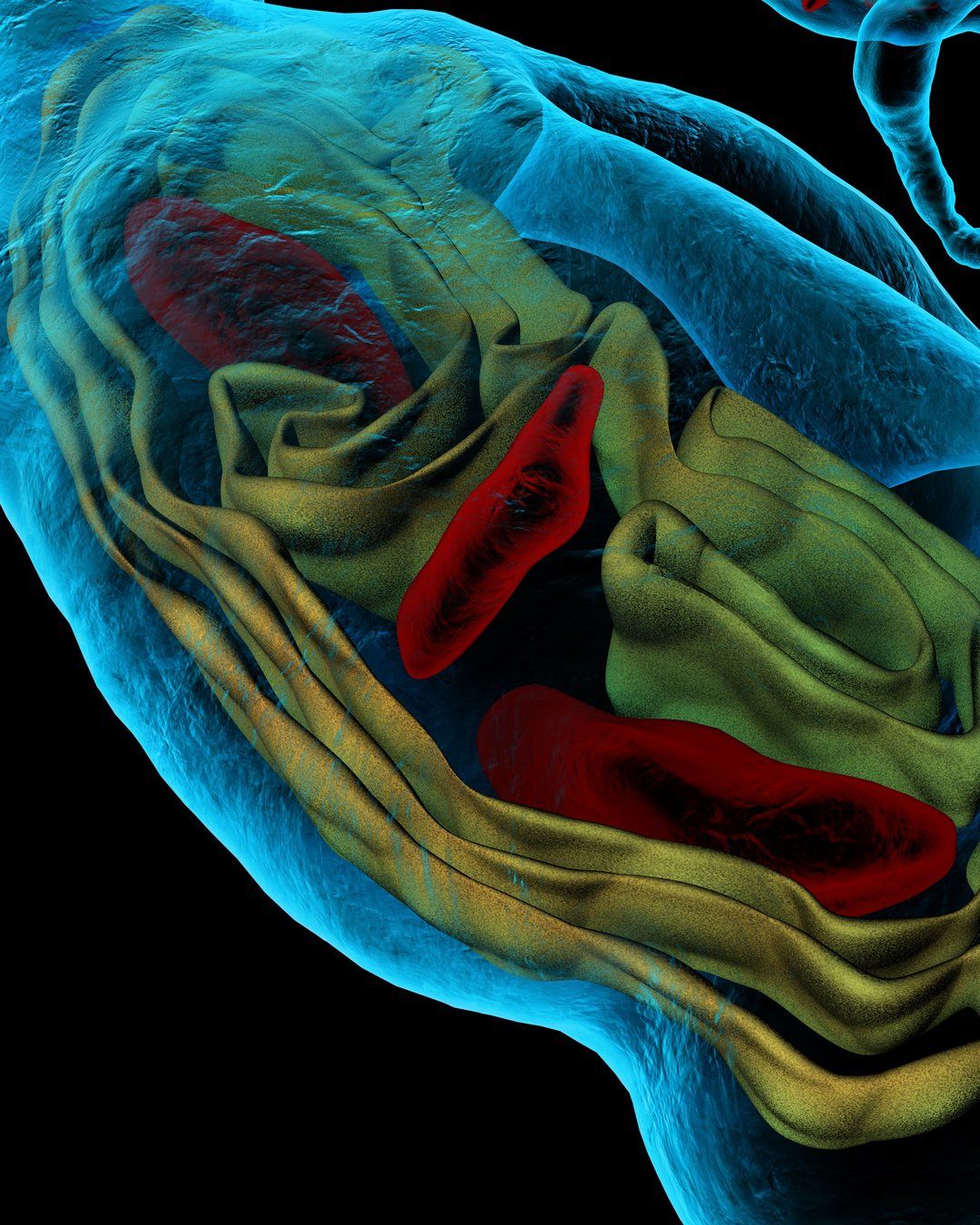
The research team identified 75 specific genes associated with diseases that could potentially be treated by lowering oxygen intake. They focused on a protein called HTRA2, which helps keep the mitochondrial machinery clear of misfolded protein clumps. When this protein is defective, the cell's energy system becomes "clogged," causing oxygen toxicity. By reducing the oxygen concentration in the air, the researchers were able to prevent this damage and significantly extend the lifespan of the test subjects.
While breathing thin air—similar to being at high altitude—worked for the mice, it is not a practical daily solution for human patients. To bridge this gap, lead researcher Dr. Isha Jain and her team are developing an experimental drug named HypoxyStat. This medication is designed to mimic the therapeutic effects of low oxygen through a standard pill or injection. If successful, it could offer the first uniform treatment for a wide range of rare and common mitochondrial conditions.
Source: ScienceDaily ↗
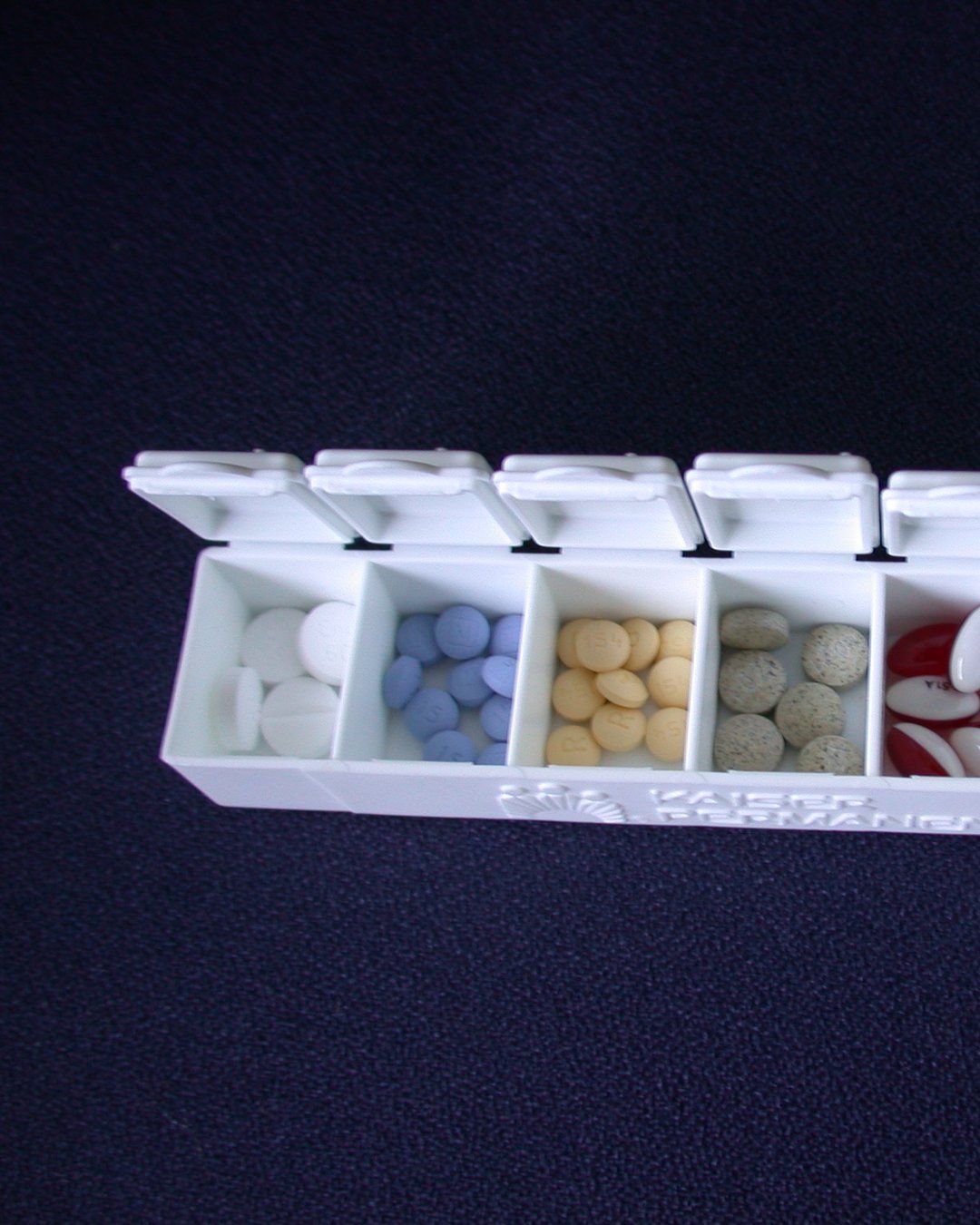
Photos: Lmpopescu, CC BY-SA 3.0; Dvortygirl, CC BY-SA 3.0
Illustration: AI-generated
Links in this story
 @TimesJetNewsOn Instagram · a new story every hour



Comments