

Natural fat-burner L-BAIBA found to build muscle strength
- A fat-burner builds stronger muscle
- Molecule acts as a messenger
- Diabetes damages muscle tissue
The story
A fat-burner builds stronger muscle
A natural molecule released during exercise helps muscles grow stronger and resist fatigue, offering a potential new treatment for type 2 diabetes.
Molecule acts as a messenger
Scientists at the University of Leeds found that L-beta-aminoisobutyric acid, or L-BAIBA, is a central regulator of how the body adapts to fitness.
While L-BAIBA was already known for helping the body burn fat, this new research shows it acts as a chemical signal that improves muscle structure and endurance.
Diabetes damages muscle tissue
Type 2 diabetes causes muscles to lose mass and strength, making it harder for patients to stay active and manage their condition.
Protecting against weakness
- L-BAIBA protects against the weakness and damage caused by high blood sugar.
- It helps muscles process energy more efficiently.
- Supplementing the molecule could help people who struggle with fatigue.
- Early tests show it may preserve muscle function even in chronic illness.
A target for future therapy
L-BAIBA is already sold as a dietary supplement, but more research is needed to confirm its therapeutic benefits for diabetes patients.
Younger adults face rising risk
The discovery comes as type 2 diabetes cases rise rapidly among people under 40. For these younger patients, maintaining muscle health is vital for preventing long-term complications like heart attacks.
Researchers hope that targeting this specific molecule will help more people live longer, healthier lives through better physical performance.
Researchers at the University of Leeds have identified a naturally occurring molecule that plays a vital role in building muscle strength and protecting the body from the damage of type 2 diabetes. The molecule, known as L-beta-aminoisobutyric acid or L-BAIBA, is released by the body during exercise. While it was previously known for its ability to help burn fat, scientists have now discovered it is essential for helping muscles adapt to physical activity.
The study, published in Nature Communications, highlights L-BAIBA as a chemical messenger. When we exercise, this molecule signals the muscles to become stronger, improve their structure, and resist fatigue. This discovery provides a new understanding of how physical activity changes the body at a cellular level and why exercise is so beneficial for long-term health.
This finding is particularly significant for the management of type 2 diabetes. The condition often leads to a decline in muscle mass and strength, which can make it difficult for patients to stay active. Since regular movement is a key part of treating diabetes, finding ways to reduce muscle fatigue could significantly improve the quality of life for millions of people. L-BAIBA appears to protect muscles from the disruptions in energy processing that typically occur with the disease.
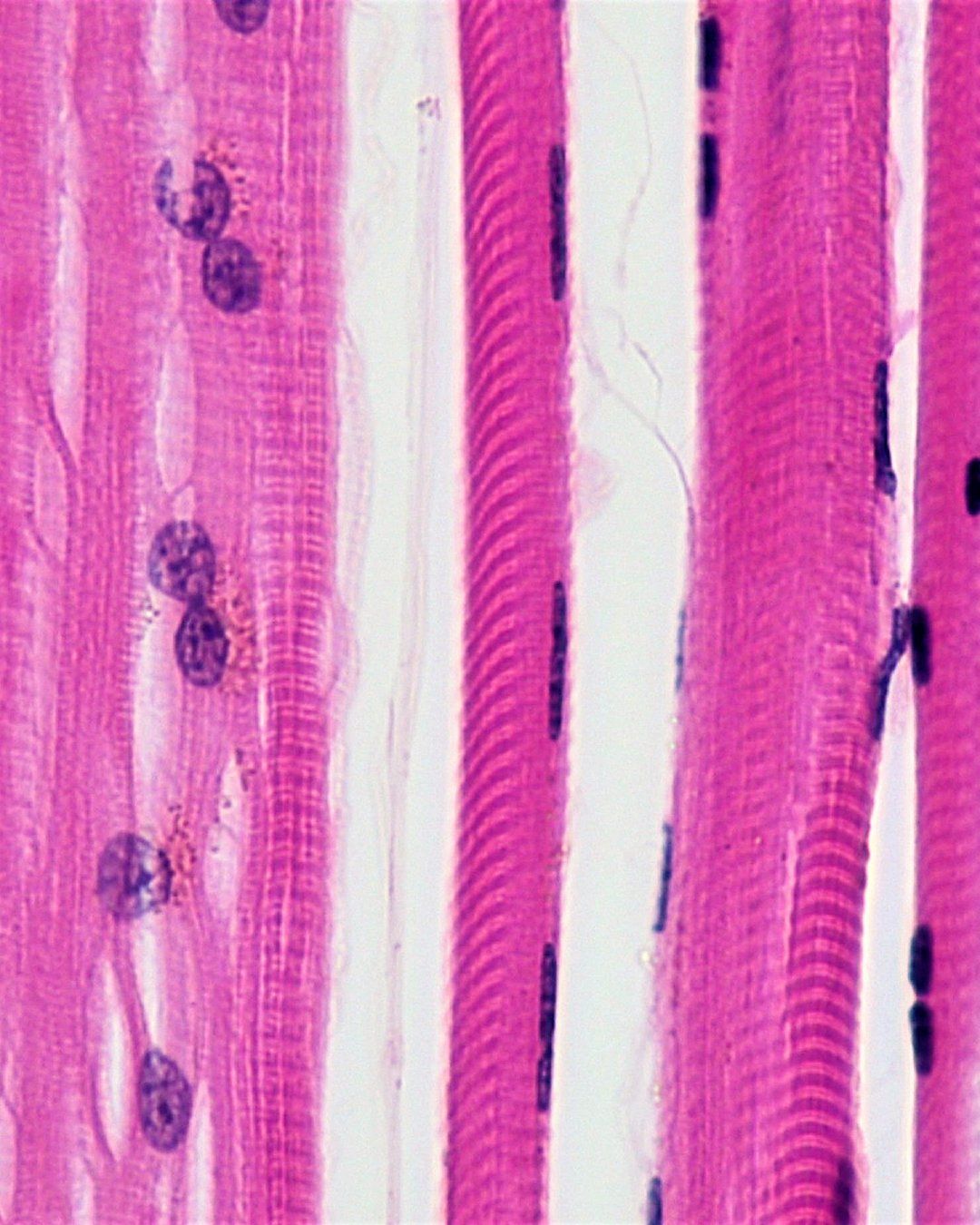
While L-BAIBA is already commercially available as a dietary supplement, the research team cautions that more studies are needed. Future clinical trials will determine if taking the supplement can produce meaningful medical benefits for those with chronic conditions. As type 2 diabetes diagnoses increase among people under age 40, finding new ways to preserve muscle function has become a top priority for global health researchers.
Source: ScienceDaily ↗
Photo: Cavie78, CC BY-SA 4.0
Illustration: AI-generated
Photo: Berkshire Community College Bioscience Image Library, CC0
Links in this story
 @TimesJetNewsOn Instagram · a new story every hour


Comments