
Hard physical labor at work linked to higher dementia risk
- Work labor may harm the brain
- Leisure exercise still protects us
- Why work is different
By the numbers
- 4.2M
- People in studyTotal participants analyzed across 30 different countries
- 20%
- Higher dementia riskLinked to physically demanding occupations
- 24%
- Lower dementia riskLinked to recreational exercise like sports or cycling
The story
Work labor may harm the brain
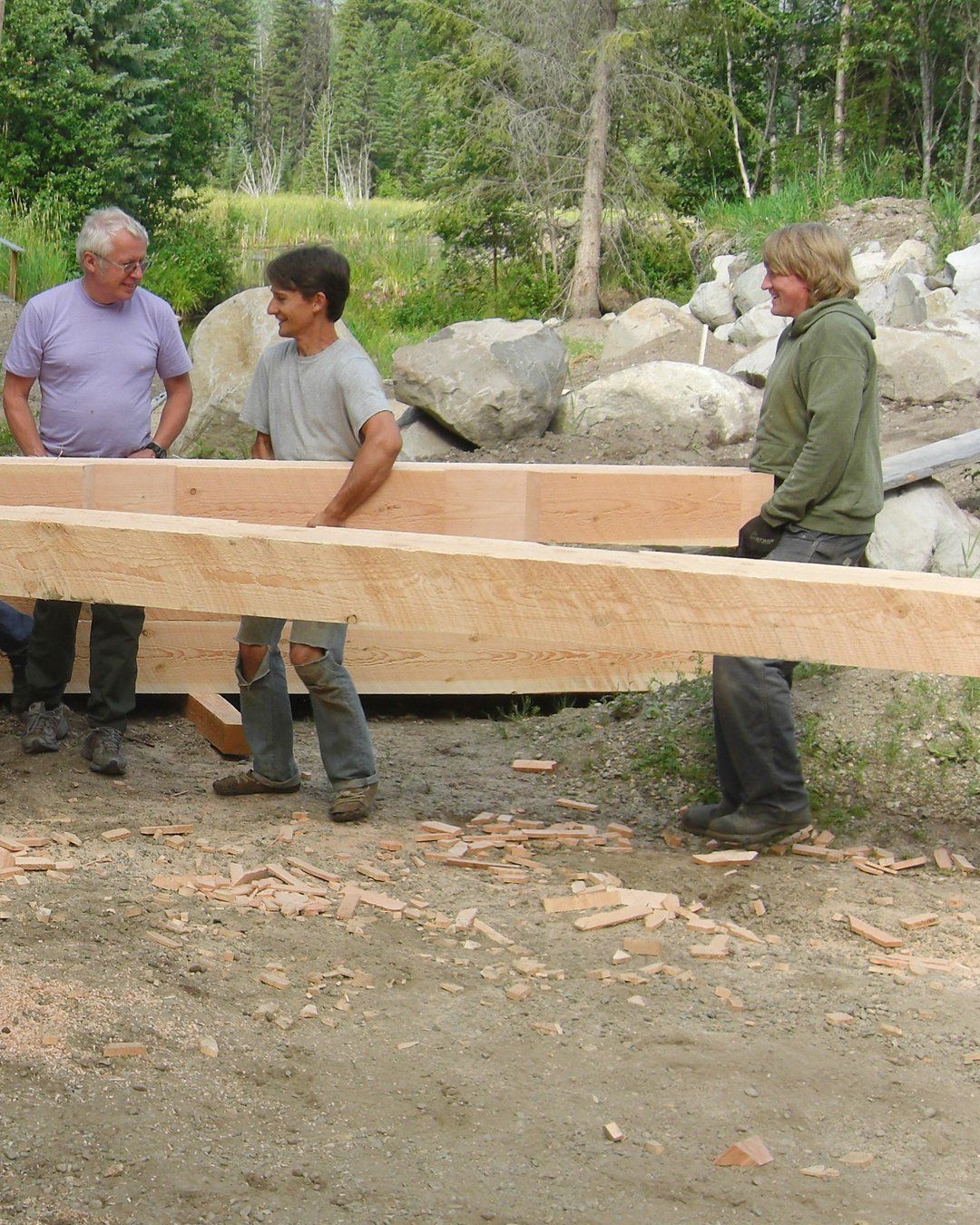
A massive study of 4.2 million people found that physically demanding jobs are linked to a 20% higher risk of dementia.
Leisure exercise still protects us
The researchers found a sharp split in how movement affects the brain. While manual labor at work increased risk, recreational activities like swimming, cycling, or running were linked to a 24% lower risk of dementia.
This suggests that the context of physical activity matters just as much as the amount of movement.
Why work is different
People who exercise for fun usually have control over the intensity and can use the time to socialize or de-stress.
Environment plays a major role
- Workers in manual roles often face higher levels of air and noise pollution.
- These roles are frequently tied to psychological stress and limited control over tasks.
- Exhaustion from work may prevent people from exercising in their free time.
- Lack of access to safe parks or trails further limits healthy recreational movement.
Active sitting helps the mind
The researchers also found that not all sitting is bad.
A new path for public health
Public health strategies may need to move beyond simply telling people to move more. Experts say we must address workplace safety, reduce harmful environmental exposures, and ensure everyone has the leisure time and safe spaces needed for recreational exercise to truly protect our brains.
A massive analysis from the University of Southern California has challenged the common belief that every type of physical movement is good for the brain. The study, involving more than 4.2 million people across 30 countries, found that while recreational exercise protects against dementia, heavy physical labor at work may actually increase the risk by 20%.
Led by Professor David Raichlen, the research team examined data from 74 separate studies. They monitored participants between the ages of 45 and 93 for a median period of 10 years. The results showed a clear "physical activity paradox." Participants who spent their free time cycling, running, or playing sports saw a 24% reduction in their risk of developing dementia. However, those with physically demanding occupations faced a higher chance of cognitive decline.
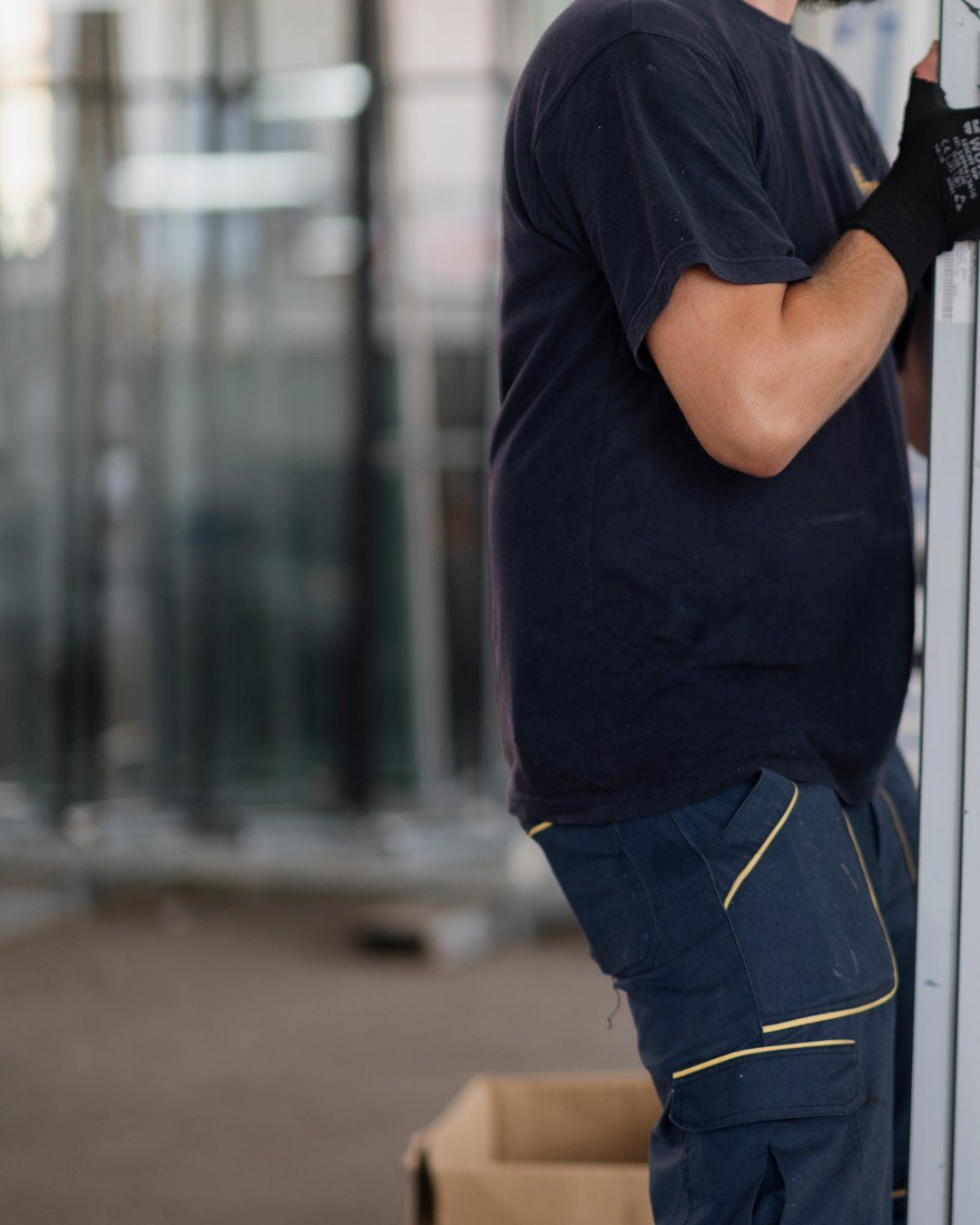
This matters to readers because it highlights that the environment and stress levels surrounding our movement are critical. Physical labor at work often involves repetitive tasks, heavy lifting, and long periods of standing with very little control over the pace. These jobs are also more likely to expose workers to noise and air pollution, both of which are independent risk factors for brain disease. Unlike recreational exercise, which is often social and stress-relieving, work-based labor can be exhausting and leave little time for the body to recover.
The researchers emphasize that their findings are observational and do not prove that manual labor causes dementia. Instead, they suggest that social and environmental factors common in manual jobs are the likely culprits. Even when accounting for age, education, and health conditions, the link between work labor and higher risk remained consistent.
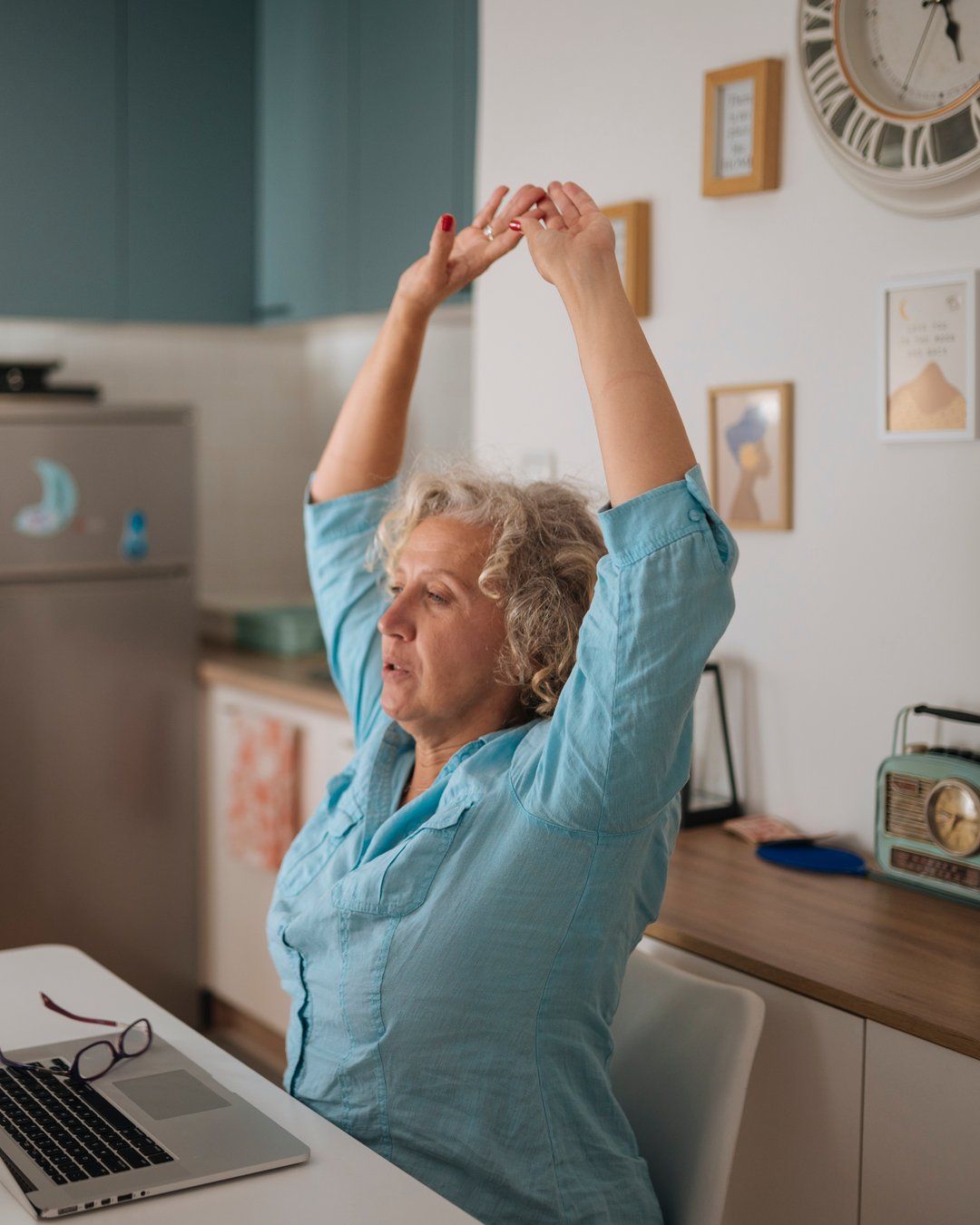
Interestingly, the study also noted that sedentary time isn't always harmful. Mentally active sitting, such as working at a desk, was linked to better brain volume compared to passive sitting like watching television. This suggests that the way we engage our minds while moving—or staying still—is a key piece of the puzzle in preventing Alzheimer's and other forms of dementia.
Source: ScienceDaily ↗
Photos: Shixart1985, CC BY 2.0; Shixart1985, CC BY 2.0; Jason Hollinger, CC BY 2.0
Links in this story
 @TimesJetNewsThis story as 7 swipeable cards1/7Hard physical labor at work linked to higher dementia risk2/7Clear contrastLeisure exercise still protects us3/7

Comments