
Robots don't improve knee surgery recovery, trial finds
- Robots fail to beat surgery
- Precision has little impact
- Surgery takes longer, costs more
By the numbers
- 10.5 mins
- Extra surgery timeAverage extra time needed for robotic assistance
- £950
- Additional costExtra cost per procedure compared to manual surgery
- 339
- Patients studiedTotal participants in the RACER-Knee clinical trial
The story
Robots fail to beat surgery
A major trial found that robotic knee replacement offers no better pain relief or mobility than traditional surgery after one year.
Precision has little impact
- The RACER-Knee trial tracked 339 patients across 10 hospitals in the UK.
- While robotic arms allowed for more precise cuts, patients did not recover faster.
- Daily activity scores were nearly identical for both high-tech and manual procedures.
- Surgeons had hoped the tech would lead to better joint personalization.
Surgery takes longer, costs more
Robotic procedures added 10.5 minutes to surgery time and cost approximately £950 more per patient during the study.
Reliable but not efficient
The study confirms that robotic-assisted surgery is just as safe as conventional methods. Researchers found no increased risk of serious complications or adverse events. However, because it costs more without improving patient health in the short term, the technology is currently not considered cost-effective for the NHS.
Long-term benefits remain possible
Scientists will monitor the trial participants for 10 years to see if robotic precision reduces the need for future surgeries.
Unlocking the tech's power
Experts from the University of Warwick say the findings are not a condemnation of robots. Instead, they highlight a gap in medical knowledge: surgeons still need to figure out the "ideal" position for each patient's unique anatomy. Only then can the extreme precision of a robot be used to truly improve human recovery.
A landmark clinical trial has revealed that the precision offered by robotic knee replacement surgery does not translate into better outcomes for patients. The RACER-Knee trial, coordinated by the University of Warwick, represents the world’s largest study of its kind. It compared the widely used Stryker Mako robotic system against traditional manual surgery to see if high-tech assistance improved recovery, pain levels, or mobility.
Researchers followed 339 patients across 10 UK hospitals for 12 months. They found that those who underwent robotic-assisted surgery reported the same levels of pain and movement as those who had conventional surgery. Even the "Forgotten Joint Score," which measures how much a patient notices their artificial knee during daily life, showed no meaningful difference between the two groups. This is a significant blow to the theory that increased mechanical precision leads to faster physical rehabilitation.

While the robotic technology is becoming more common globally—used in 16% of US procedures and 42% in Australia—this data suggests it currently offers no immediate clinical advantage. The robotic operations actually took an average of 10.5 minutes longer and cost about £950 more per procedure. Because of these factors, the study concluded the technology is not yet cost-effective for the public health system, which relies on clear improvements to justify higher spending.
However, the tech proved to be extremely safe, with no increase in surgical risks. Professors Andrew Metcalfe and Edward Davis, who led the trial, believe the technology still holds promise for future medicine. They argue that the next step is learning how to use this precision to better customize the joint placement for each individual's body. The research team plans to follow the trial participants for 10 years to determine if the robotic joints last longer or reduce the need for follow-up operations over time. If they do, the higher initial cost of £950 per patient might eventually be offset by fewer revision surgeries.
Source: ScienceDaily ↗
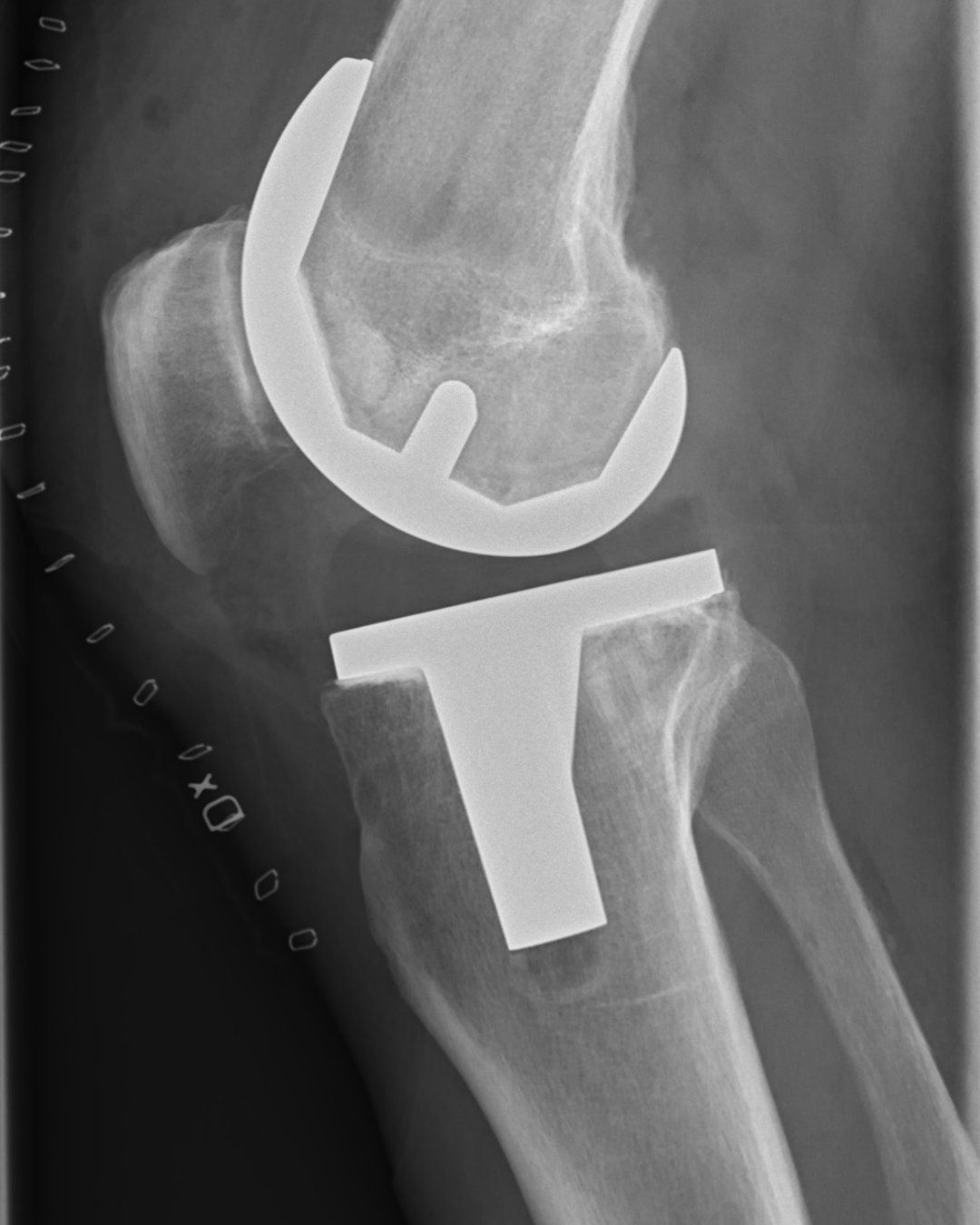
Photos: Mikael Häggström, M.D. Author info - Reusing images- Conflicts of interest: None Mikael Häggström, M.D.Consent note: Written informed consent was obtained from the individual, including online publication., CC0; Robin Stott, CC BY-SA 2.0
Illustration: AI-generated




Comments