
Peppermint oil cuts blood pressure in 20 days
- Peppermint oil cuts blood pressure
- Rapid results in clinical trial
- Wider vessels for better flow
By the numbers
- 8.5 mmHg
- Average pressure dropReduction in systolic blood pressure after 20 days
- 20 days
- Study durationTime taken to see significant blood pressure changes
- 100 μl
- Daily oil doseThe total amount of peppermint oil taken each day
The story
Peppermint oil cuts blood pressure
Taking small doses of peppermint oil twice daily for 20 days lowered systolic blood pressure by an average of 8.5 mmHg.
Rapid results in clinical trial
Researchers at the University of Lancashire studied 40 adults with elevated blood pressure or stage 1 hypertension.
After less than three weeks, those taking the oil saw their systolic readings drop from 130 to 122 mmHg. A placebo group saw no change.
Wider vessels for better flow
Active compounds like menthol may help blood vessels relax and widen, allowing blood to flow with less force against artery walls.
Tiny amounts make a difference
- Participants took only 100 microliters of oil per day.
- This tiny volume was divided into two equal doses.
- The food-grade oil was diluted in water for consumption.
- Scientists noted the oil is low in calories and very inexpensive.
A low cost heart health tool
This natural approach could offer a cheap way to manage hypertension, a leading cause of heart disease and death worldwide.
More testing is still needed
The researchers warn that this study was small and short-term. While the results are promising, larger trials are needed to see if the benefits last.
Crucially, people should not replace prescribed medications or ingest oils that are not labeled for human consumption.
Peppermint oil could be a simple and affordable way to manage mildly elevated blood pressure, according to new research from the University of Lancashire. A study of 40 adults found that consuming a small amount of food-grade peppermint oil each day significantly reduced systolic blood pressure in just 20 days. The findings suggest a potential natural alternative or supplement for those dealing with early-stage hypertension.
In the randomized trial, participants with elevated blood pressure were split into two groups. One group took 100 microliters of peppermint oil daily, split into two doses diluted in water. The other group received a placebo. By the end of the 20-day period, the peppermint group saw their average systolic pressure drop by 8.5 mmHg, falling from 130 to 122 mmHg. Those in the placebo group experienced no significant improvement.
This matters to readers because high blood pressure is a leading contributor to heart attacks, strokes, and global mortality. While many medicines exist, they can be expensive and sometimes cause unwanted side effects. Peppermint oil is inexpensive, low in calories, and generally well-tolerated, making it a highly accessible option if further trials confirm these early results.
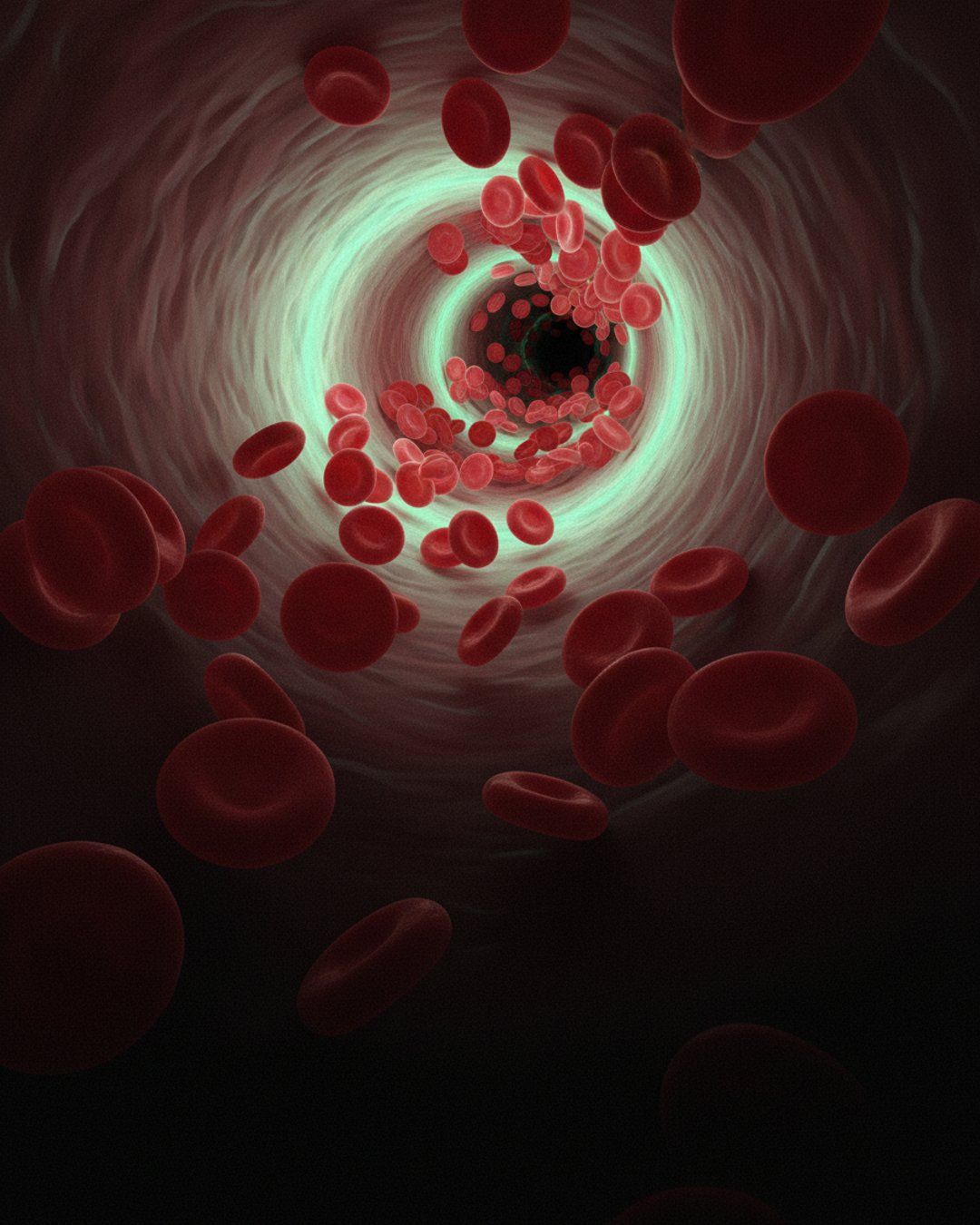
The researchers believe the secret lies in peppermint's active compounds, such as menthol and flavonoids. These have vasodilatory properties, meaning they help the walls of the blood vessels relax. When vessels widen, blood flows more easily, which reduces the pressure exerted against the arteries.
Lead author Dr. Jonnie Sinclair noted that the discovery has significant clinical implications. However, the team stressed that this was a small, short-term study. Patients should not stop taking their prescribed blood pressure medications based on these results alone. Additionally, the study used oil specifically meant for eating; essential oils meant for aromatherapy can be toxic if swallowed.

Source: ScienceDaily ↗
Photo: rawpixel.com, CC0 1.0
Illustration: AI-generated




Comments