
Millions with dementia take drugs that harm their brains
- Nearly 1 in 3 older adults with cognitive disorders are prescribed risky medications that …
- Meds for sleep and anxiety pose a threat
- Prescriptions linked to hospital visits
By the numbers
- 29.3%
- Seniors on risky medsPercentage of seniors with cognitive issues on harmful drugs
- 29.7M
- Total population studiedNumber of older Americans represented in the research
- 10%
- Drop in exposureThe decrease in inappropriate prescriptions over 11 years
The story
Millions with dementia take drugs that harm their brains
Nearly 1 in 3 older adults with cognitive disorders are prescribed risky medications that can worsen brain function and lead to premature death.
Meds for sleep and anxiety pose a threat
Drugs like Xanax for anxiety or Ambien for sleep are often inappropriate for seniors with dementia. These medications target the central nervous system, which is already vulnerable in aging patients.
Misuse can lead to dangerous side effects, including severe confusion, loss of physical coordination, and more frequent falls.
Prescriptions linked to hospital visits
Inappropriate drug use among seniors with cognitive decline results in more emergency room visits and longer hospital stays.
Prescribing rates are finally falling
- Exposure to risky meds fell from 39.3% in 2011 to 29.3% in 2022.
- Awareness is growing among doctors and pharmacists about geriatric safety.
- Researchers analyzed data representing 29.7 million older Americans.
- Despite the progress, nearly 10 million people remain at risk.
Deprescribing offers a path to safety
Doctors and pharmacists are working to reduce dosages or replace risky medications with milder alternatives to protect aging brains.
A preventable death sparked change
The University at Buffalo study was driven by Team Alice. This group formed after Alice Brennan died in 2009 due to a muscle relaxant error.
Her family shared her story to push for systemic changes. They want health teams to use clinical tools that flag dangerous drug combinations for seniors.
Aging populations need closer care
With seniors now outnumbering young children worldwide, medication safety is becoming a critical priority for global healthcare.
Nearly one in three older adults living with dementia or other cognitive disorders are taking medications that could worsen their condition. A new study from the University at Buffalo highlights that drugs commonly prescribed for anxiety, sleep disturbances, and psychosis can have devastating effects on the aging brain. These medications act on the central nervous system, which can be overwhelming for patients already suffering from mental decline.
Researchers found that while the situation is improving, the risks remain high. Analyzing data from nearly 3,000 independent seniors, representing about 29.7 million Americans, the study showed that exposure to potentially inappropriate medications dropped from 39.3% in 2011 to 29.3% in 2022. Despite this 10% decrease, roughly one-third of this vulnerable population is still receiving prescriptions that increase the risk of emergency room visits, longer hospital stays, and premature death.
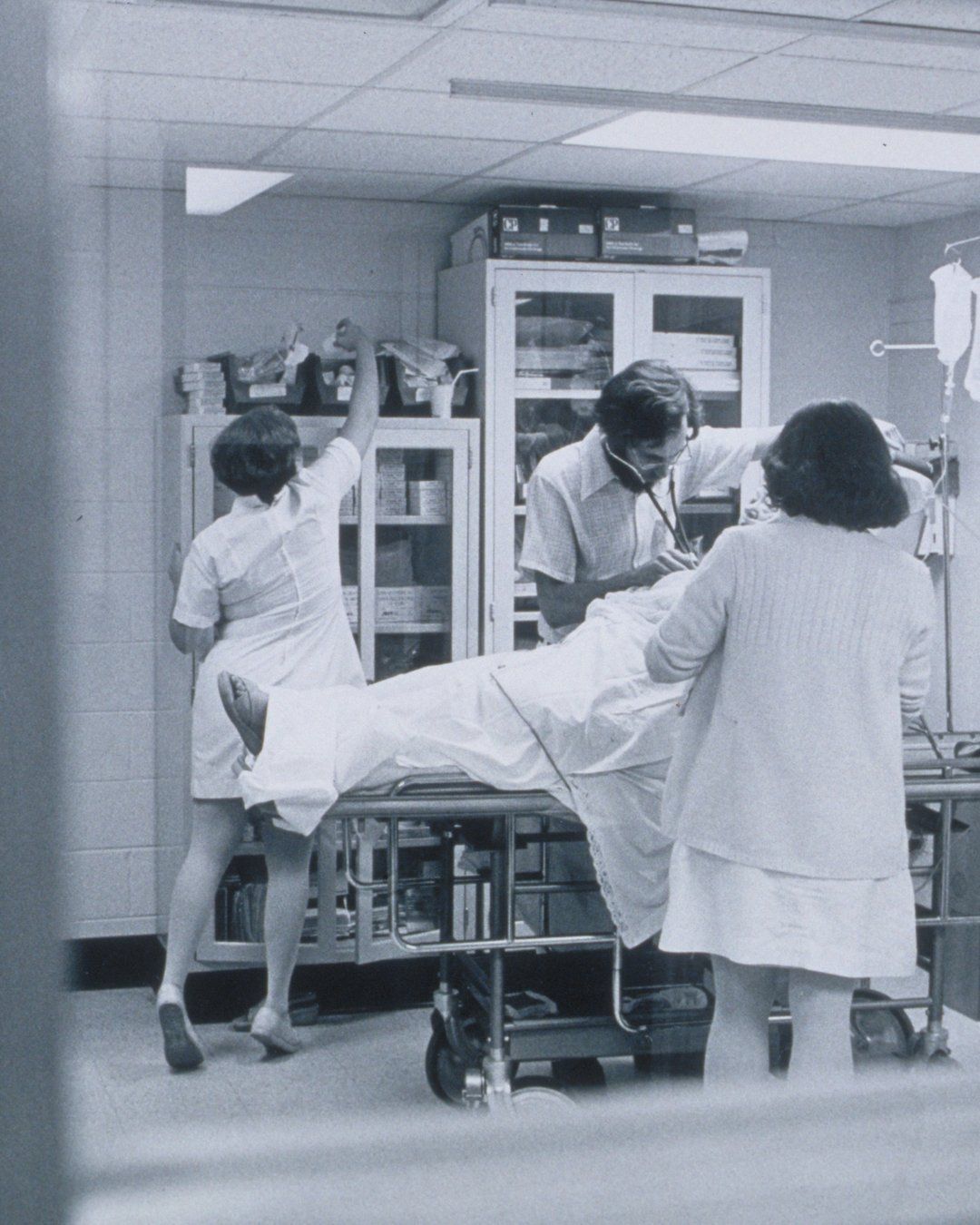
This issue is particularly pressing as the global population ages. For the first time in history, people aged 65 and older outnumber children under five. Approximately 3 in 4 seniors live with at least two chronic conditions, often leading to a complex cocktail of multiple prescriptions. This increases the likelihood of harmful drug interactions or the use of medications like Xanax or Ambien, which can impair balance and memory in older adults.
The research was supported by Team Alice, an initiative named after Alice Brennan, who died following complications from an inappropriate muscle relaxant prescription. Her story has fueled a push for "deprescribing"—the practice of tapering off unnecessary meds or switching to safer alternatives. Experts suggest that pharmacists and homecare nurses must work more closely with doctors to review medications during routine visits and prevent avoidable tragedies.
Source: ScienceDaily ↗

Photos: VCU Libraries from Richmond, VA, USA, CC BY 2.0; Davidhar, CC BY-SA 3.0; Pallav.journo, CC BY-SA 4.0
Photo: U.S. Navy NMRTC by Emily McCamy, Public domain



Comments