
Scientists find a protein brake that stops nerves healing
- Researchers at Mount Sinai have identified a molecular switch that prevents damaged nerve …
- A protein called AHR stops repair
- Blocking the protein restores movement
The story
Scientists find a protein brake that stops nerves healing
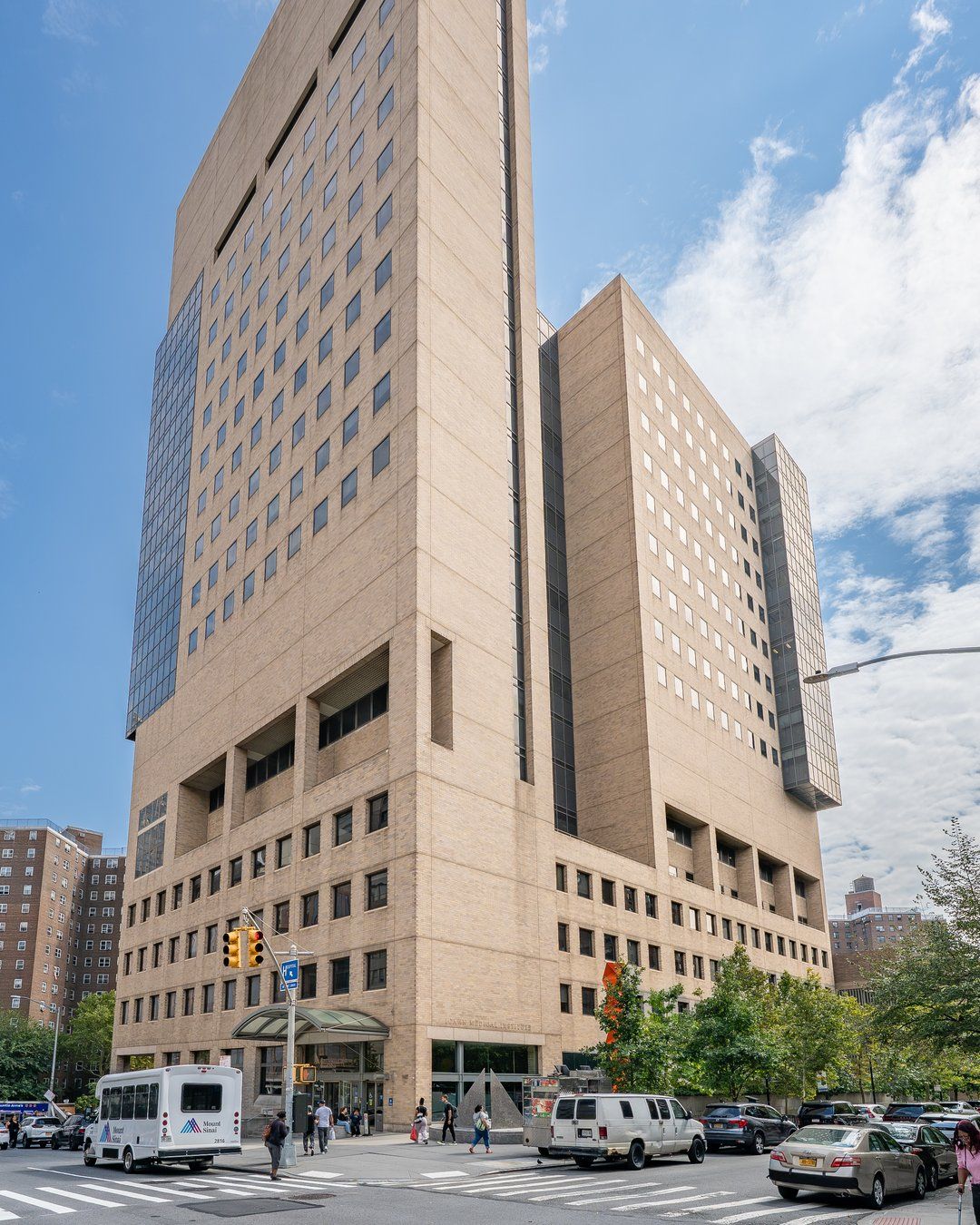
Researchers at Mount Sinai have identified a molecular switch that prevents damaged nerve fibers from regenerating after serious injuries.
A protein called AHR stops repair
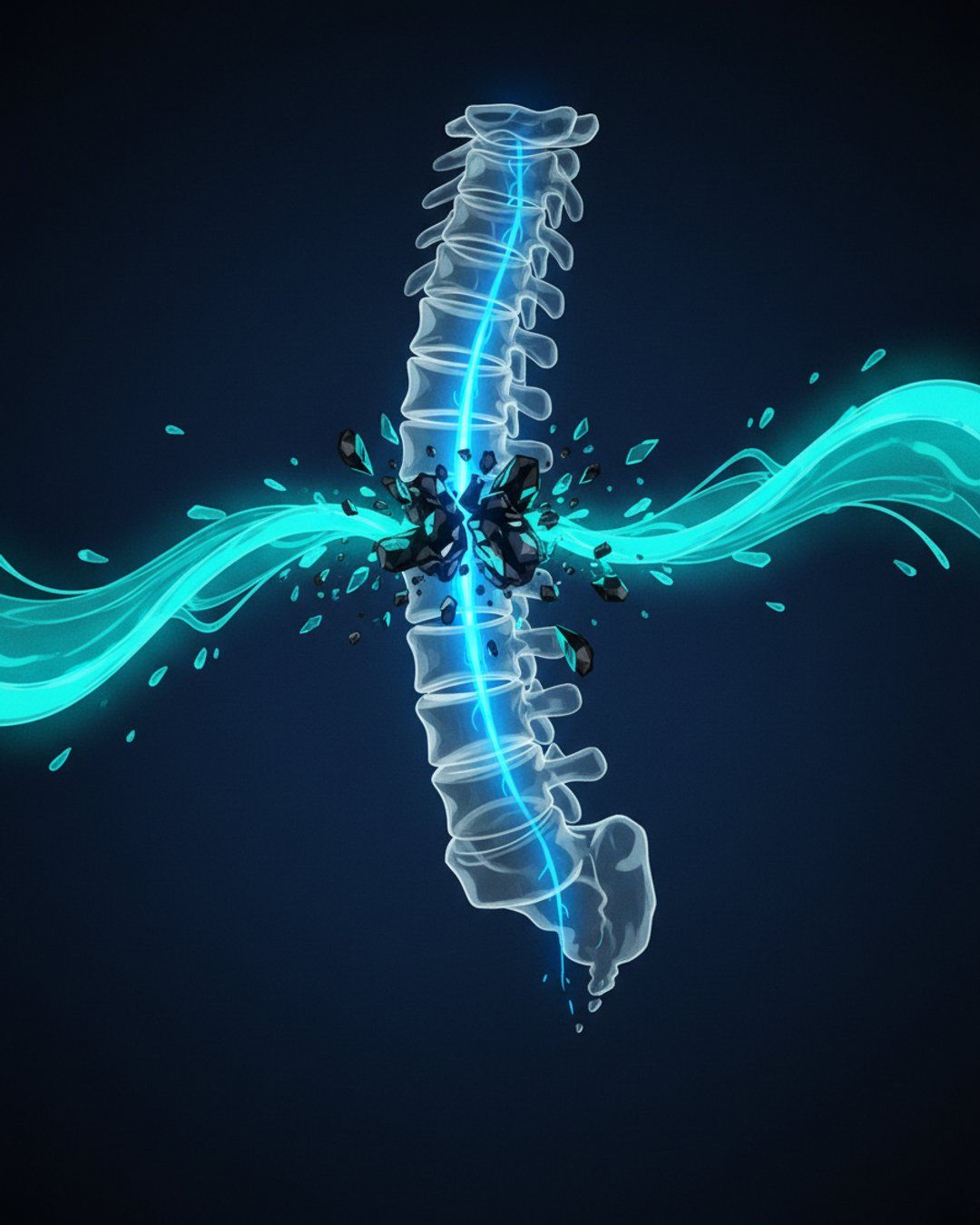
Nerve cells in the brain and spinal cord have a limited ability to fix themselves. Scientists found that a protein called the aryl hydrocarbon receptor (AHR) acts as a biological brake.
When a nerve is injured, AHR forces the cell to focus on managing stress and survival instead of rebuilding its lost connections.
Blocking the protein restores movement
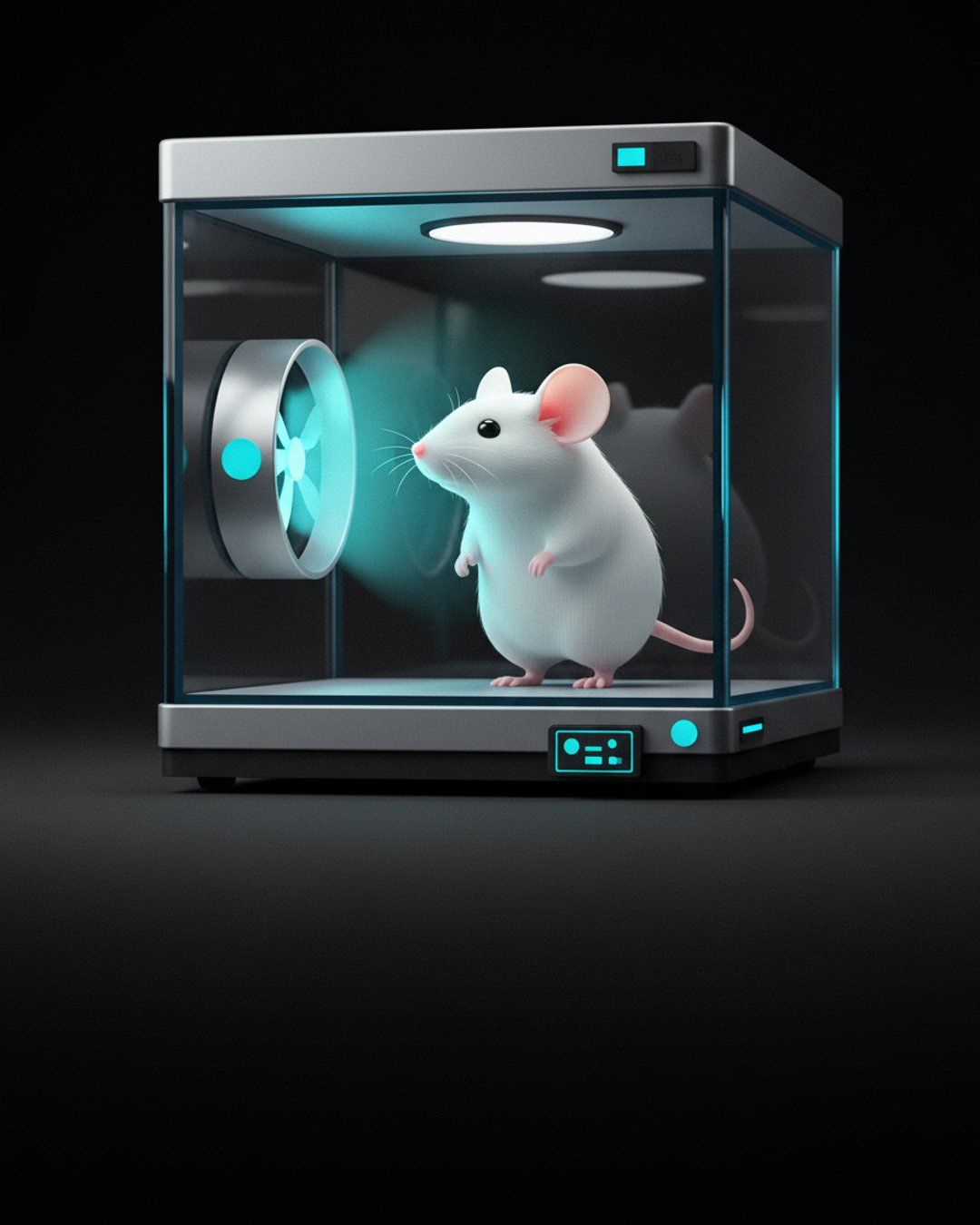
Removing or inhibiting the AHR protein in mice allowed severed nerve fibers to regrow and helped the animals recover movement and sensation.
Switching from survival to growth
Usually, AHR keeps proteins properly folded to protect the cell. However, this defense stops the cell from making the new proteins needed for growth.
By blocking AHR, researchers pushed the neurons into a repair state. This triggered a second protein, HIF-1α, to activate the genes required for tissue repair and metabolism.
New path for spinal cord therapy
Existing drugs already being tested for other diseases could be repurposed to block AHR and treat human spinal cord injuries.
Moving toward human treatments
While the results in mice are promising, more research is needed before human trials. The team must determine the exact dosage and timing for treatment.
They plan to test both AHR-blocking drugs and gene therapy. The goal is to help patients recover from strokes, spinal cord damage, and other permanent neurological conditions.
Researchers at the Icahn School of Medicine at Mount Sinai have identified a molecular switch that explains why damaged nerves in the brain and spinal cord struggle to heal. The study, published in the journal Nature, centers on a protein called the aryl hydrocarbon receptor (AHR). This protein appears to function as a biological brake, preventing nerve cells from regenerating their connections after a traumatic injury.
Nerve cells, or neurons, communicate through long fibers called axons. In adult mammals, these axons have a very limited capacity to regrow once they are severed. The Mount Sinai team discovered that when an injury occurs, AHR signaling forces the neuron to prioritize cellular survival and stress management over repair. While this keeps the cell alive, it stops the production of new proteins necessary for axon growth.
In laboratory experiments, scientists genetically removed AHR or used drugs to inhibit its activity in mice. The results were significant: the damaged nerve fibers began to regenerate more effectively. Furthermore, the mice showed measurable improvements in both movement and sensory recovery. This suggests that the "brake" can be released to shift the nervous system into a regenerative state.
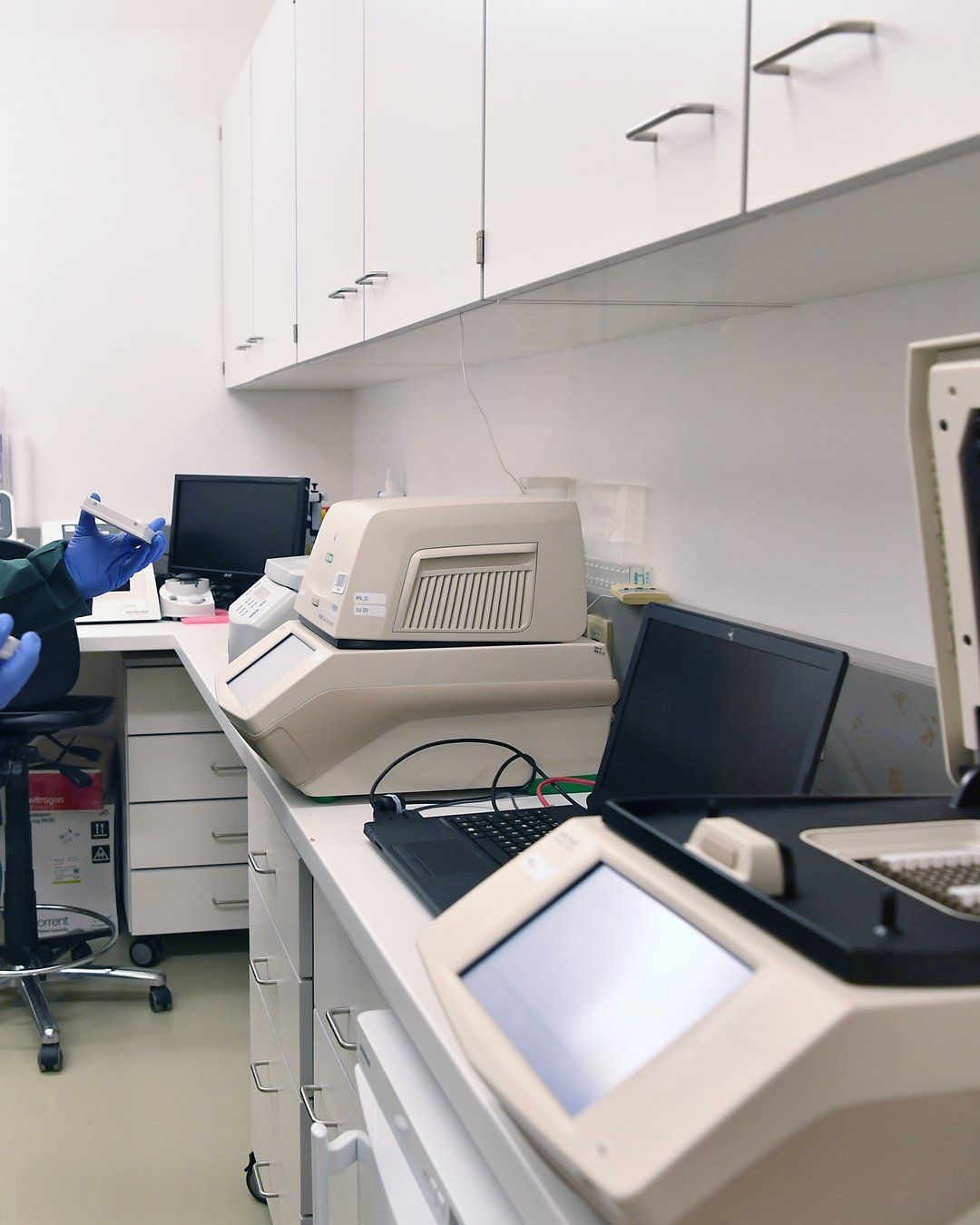
This discovery matters to the millions of people living with permanent disabilities from spinal cord injuries or strokes. Currently, many such injuries are considered untreatable because the central nervous system cannot fix itself. By identifying a specific protein that blocks this process, scientists have a clear target for new therapies. Since some AHR-inhibiting drugs are already in clinical trials for other conditions, the path to human treatment may be shorter than starting from scratch.
The research team also found that this regenerative response depends on another protein called HIF-1α, which helps cells adapt and repair tissue. Moving forward, the researchers plan to investigate how to safely apply these findings to humans, including determining the optimal timing for treatment after an injury occurs.
Source: ScienceDaily ↗
Photos: IAEA Imagebank, CC BY 2.0; ajay_suresh, CC BY 4.0
Illustration: AI-generated
Links in this story
 @TimesJetNewsThis story as 7 swipeable cards1/7Scientists find a protein brake that stops nerves healing2/7The discoveryA protein called AHR stops repair3/7


Comments