
Britain is digging its first new reservoirs in 30 years to beat drought
- First new reservoir since 1992
- A looming crisis of billions of liters
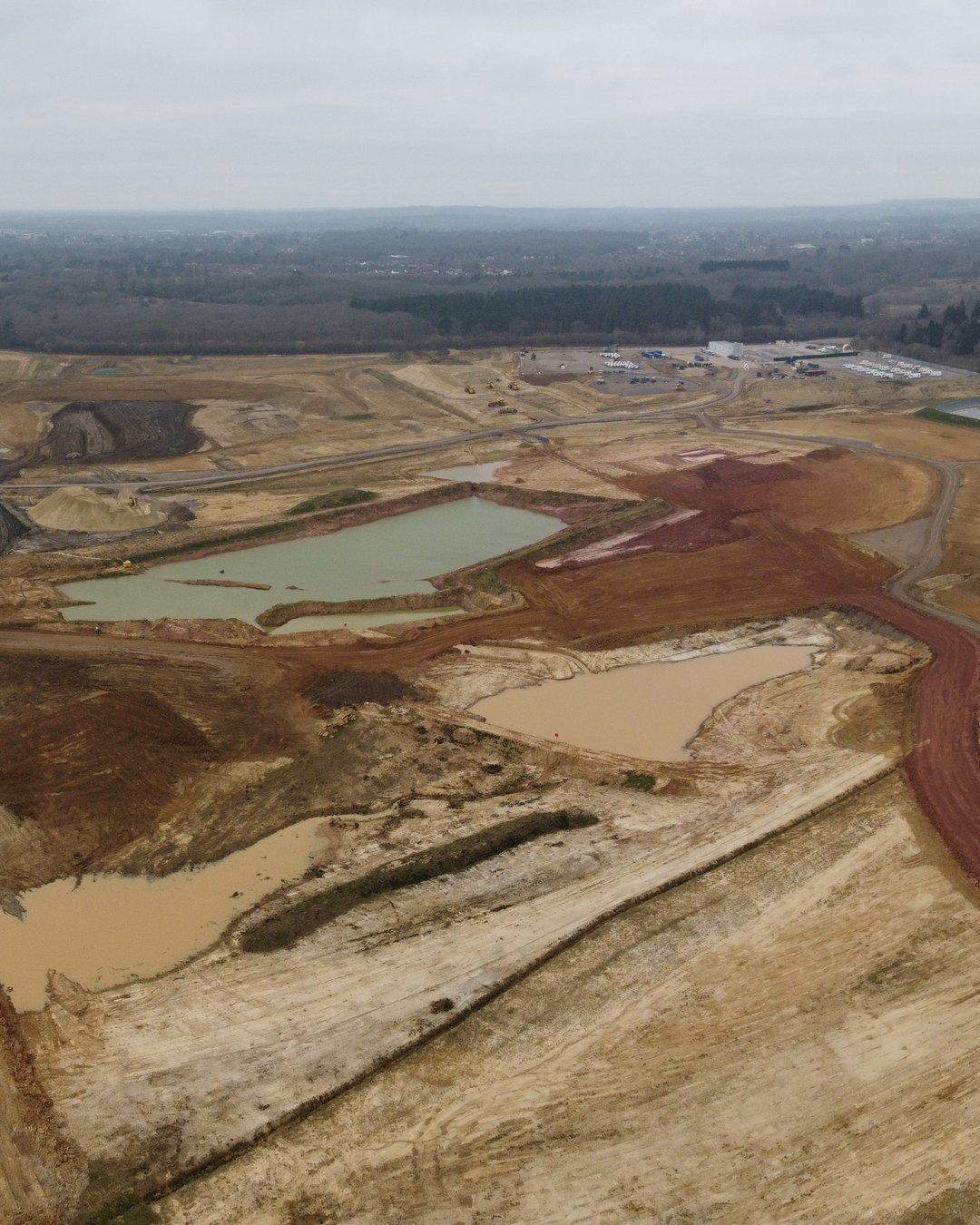
- The flagship Havant Thicket project
The story
First new reservoir since 1992
Construction is underway on a $1 billion project near Portsmouth as the UK faces a future of hotter summers and a growing population.
A looming crisis of billions of liters
Despite its rainy reputation, England faces a daily water shortfall of 5 billion liters by 2055. While winters are getting wetter, summers are becoming increasingly dry and intense. Without new ways to store winter rainfall, the country cannot meet the rising demand from residents and water-heavy industries like data centers.
The flagship Havant Thicket project
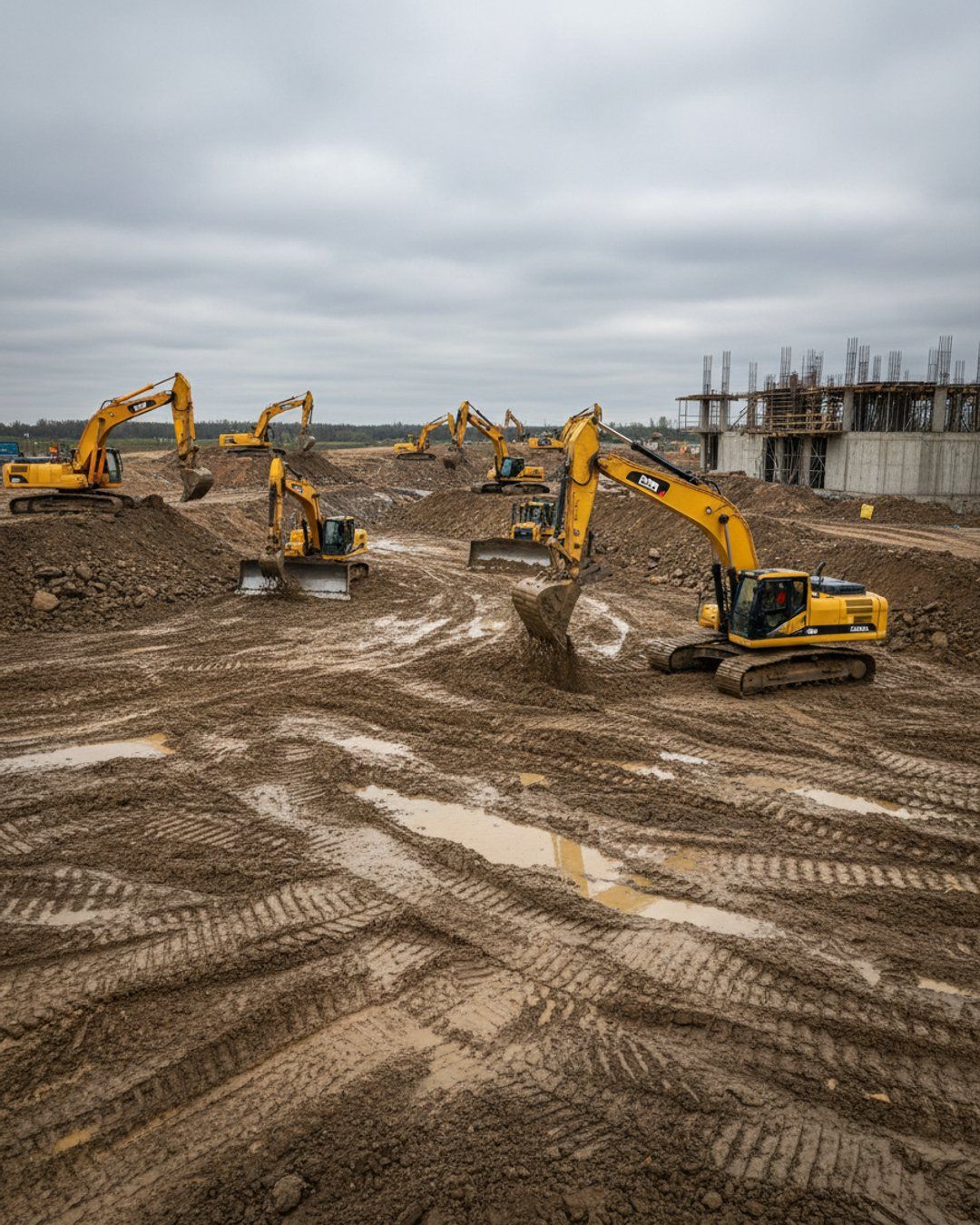
Bulldozers are moving earth for a site that will eventually hold 8.7 billion liters of water for hundreds of thousands of people.
Nine major projects planned by 2050
- The government has approved nine new reservoirs to address decades of underinvestment.
- New planning rules were introduced to speed up these massive infrastructure projects.
- The goal is to provide an extra 670 million liters of water every single day.
- The current Portsmouth site is expected to be fully operational by 2033.
Recycling plans spark public pushback
Plans to use recycled wastewater to fill reservoirs have met resistance from residents worried about safety and industry scandals.
Infrastructure alone cannot fix it
Scientists warn that reservoirs take decades to build and won't solve immediate shortages. To bridge the gap, the Environment Agency says 60% of the solution must come from cutting leaks and lowering consumption. Other measures include building desalination plants and moving water between regions to where it is needed most.
Britain is moving to secure its water future by constructing its first major reservoir in over 30 years. The Havant Thicket project, a $1 billion endeavor near Portsmouth, is the first of nine planned reservoirs intended to combat the effects of a warming climate. Although the UK is known for rain, current reservoirs are well below their seasonal averages, and much of England remains under drought conditions.
Experts predict a daily shortfall of 5 billion liters of water by 2055 if action is not taken. The challenge is not a lack of total rainfall, but the timing of it; wetter winters and drier summers mean the country needs better storage to capture intense seasonal downpours. The new infrastructure will also help protect fragile chalk stream ecosystems by reducing the need for direct water extraction.
While the government has relaxed planning rules to speed up construction, these projects are not immediate fixes. The Havant Thicket site will not be operational until at least 2032. Furthermore, plans to supplement water levels with recycled wastewater have faced local opposition following public mistrust of water companies. Officials stress that building reservoirs is only one part of the solution.
To fully address the looming crisis, the UK must also modernize its aging network to stop leaks and encourage citizens to reduce their daily water use. Beyond storage, the long-term strategy includes desalination plants and interregional transfers to ensure water reaches the areas hit hardest by drought. For now, the heavy machinery in Portsmouth represents a critical first step in a race against a changing climate.
Source: Phys.org ↗

Illustration: AI-generated
Photo: Tim Sheerman-Chase, CC BY 2.0
Links in this story

How does this story make you feel?
Read next
 ScienceScotland's £19 billion food sector faces a freezing crisis over net-zero costs
 ScienceUT Austin engineers find a way to make quantum computers 7 times faster
 ScienceTobacco plants could slash the price of life-saving cancer drugs
 ScienceKilauea lava fountains shoot 650 feet high in overnight Hawaii eruption
Comments