
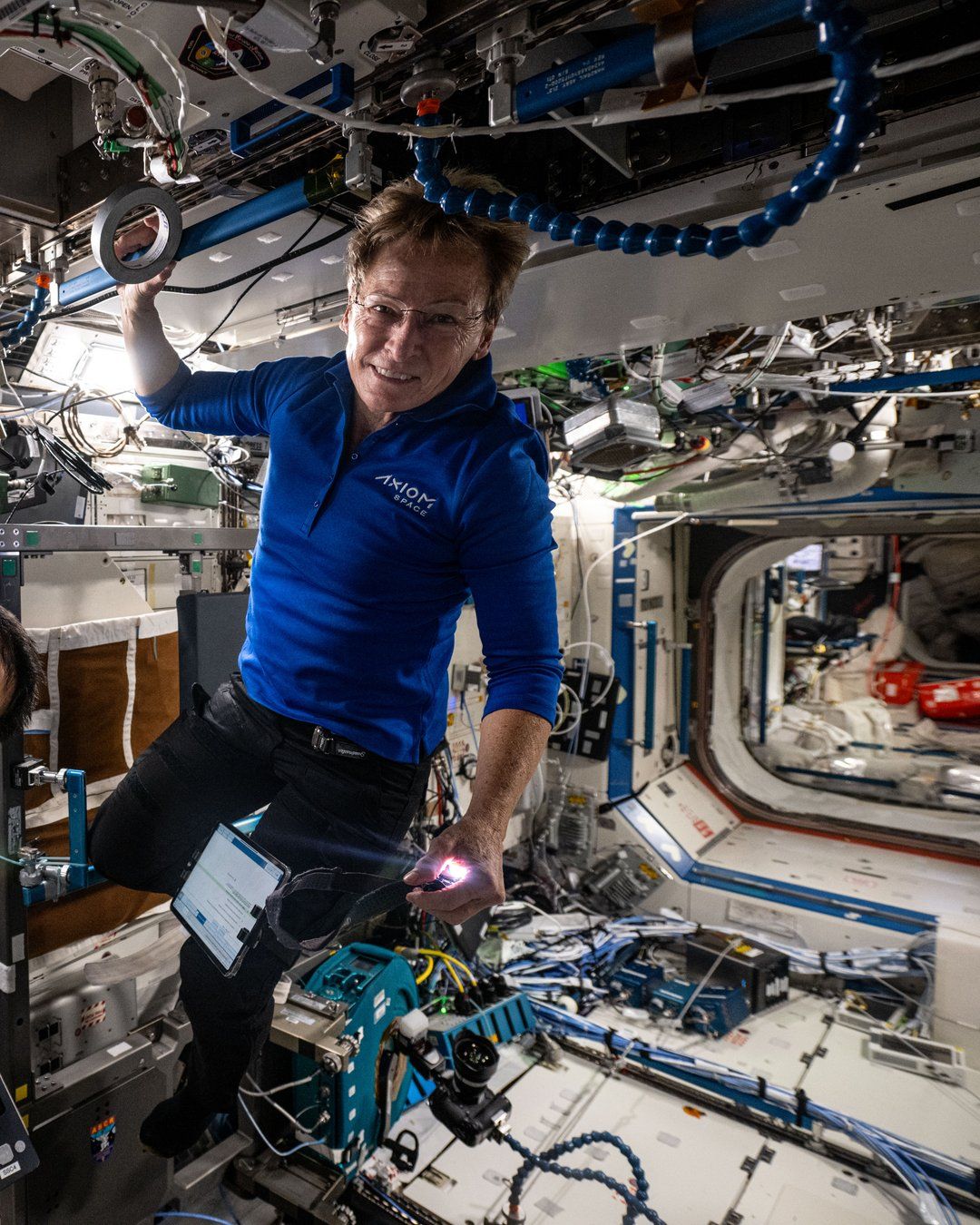
NASA is growing stomach tumors in space to stop cancer spread
- NASA grows cancer in orbit
- Tumors grow on a chip
- Predicting the spread
The story
NASA grows cancer in orbit
Samples from patients are being studied aboard the International Space Station to predict how cancer might spread.
Tumors grow on a chip
The investigation, known as Encapsulate-1, uses specialized biochips to house gastric microtumors.
By growing these samples in space, scientists can observe cancer cell behavior in ways that are physically impossible in the gravity of Earth.
Predicting the spread
Scientists are watching how the cells move and interact in microgravity.
Better tests for patients
The ultimate goal of the experiment is to create highly personalized cancer treatments.
- Predict individual metastasis risks
- Test how unique tumors react to drugs
- Develop faster screening methods
- Customize care based on space data
A powerhouse of science
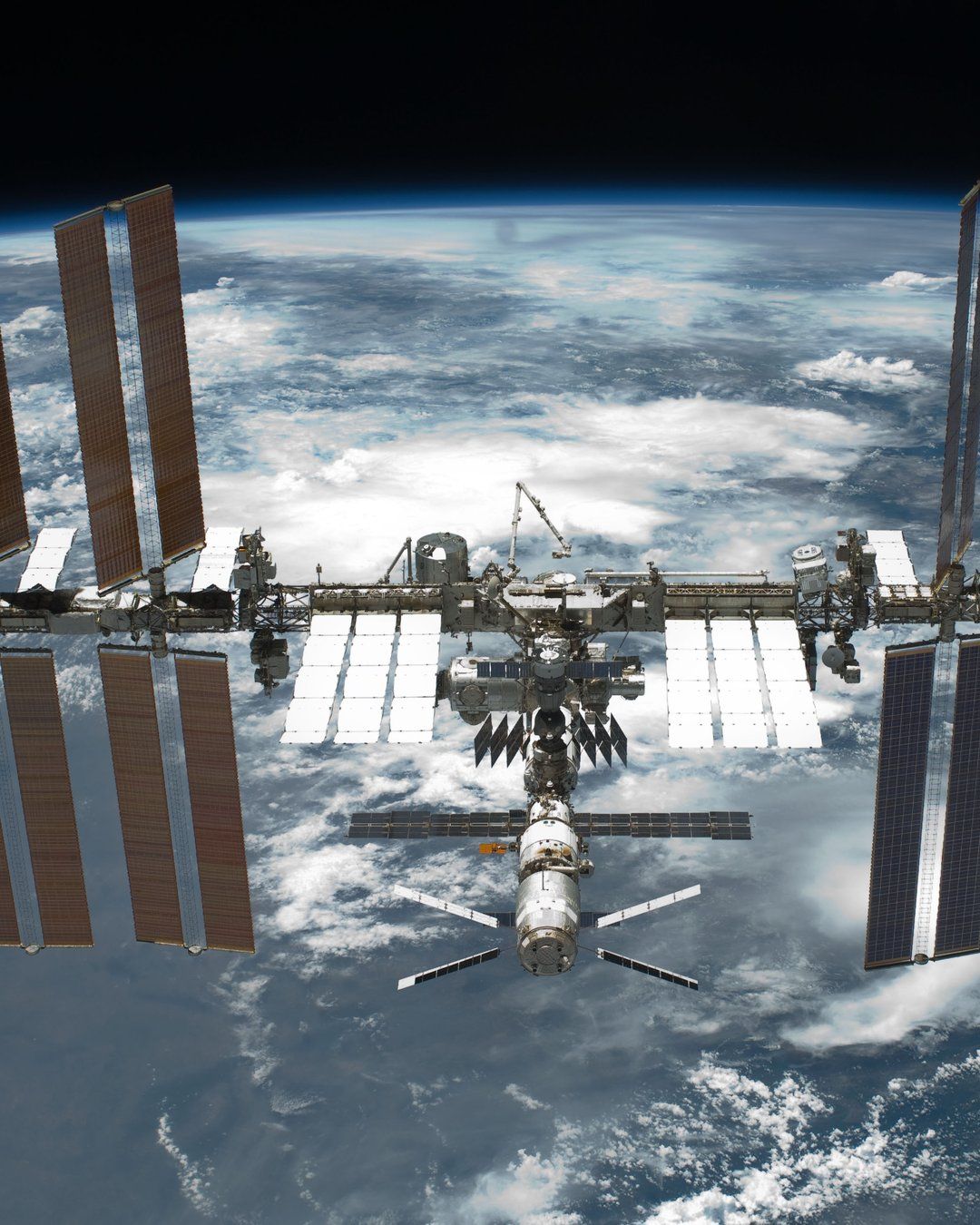
The International Space Station orbits more than 200 miles above the planet's surface.
NASA is using the unique environment of the International Space Station to fight cancer on Earth. In an investigation called Encapsulate-1, researchers are growing gastric microtumors derived from real patients inside specialized biochips. By observing these cells 200 miles above the planet, scientists can see how they move without the interference of gravity.
This research is focused on understanding metastasis, the process where cancer spreads to other parts of the body. In microgravity, cancer cells interact and move differently, providing clues that help researchers predict a specific patient’s risk of their cancer spreading. These insights are difficult or impossible to gain in a traditional laboratory on the ground.
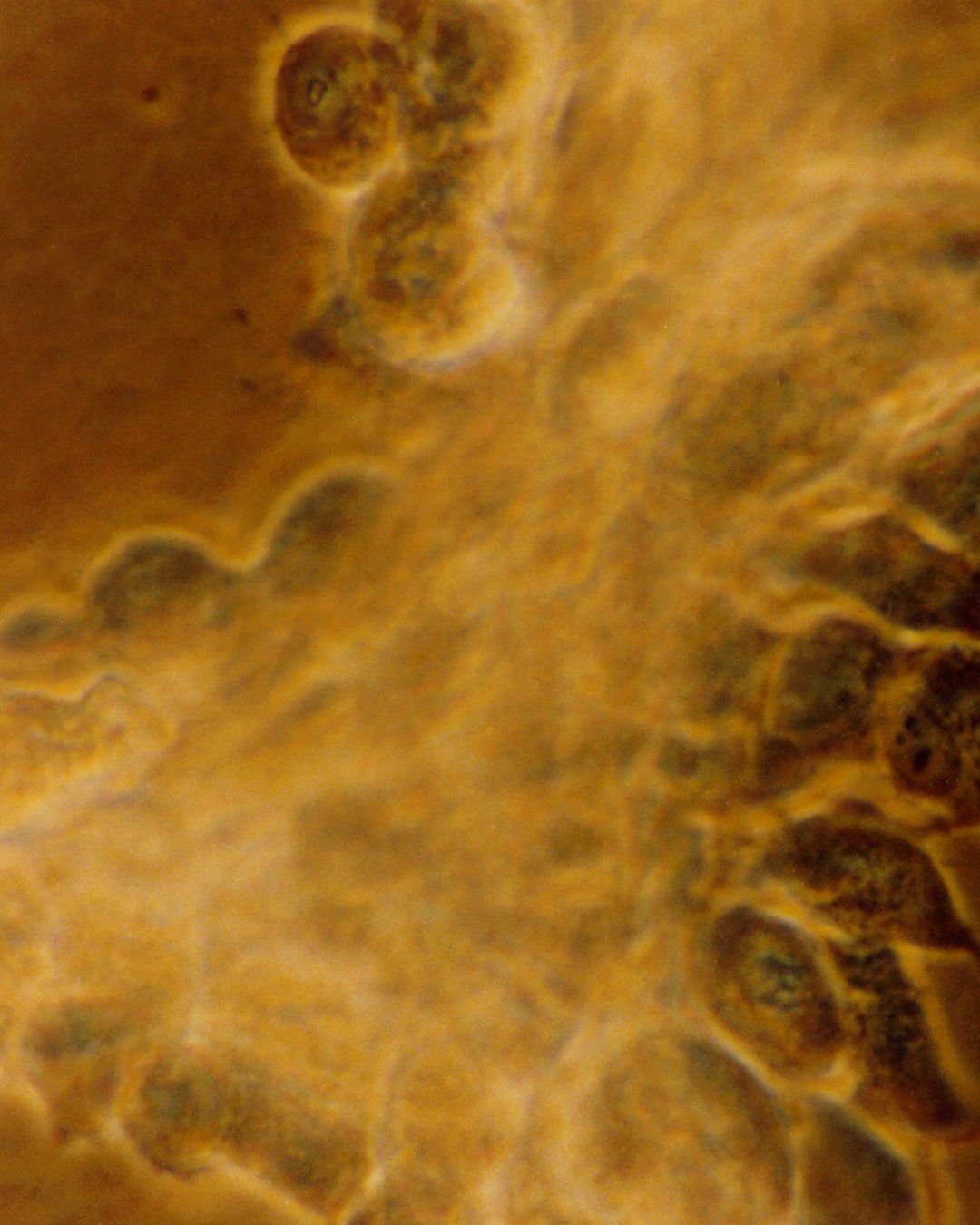
The findings could lead to more personalized cancer treatments. Doctors may eventually use these space-based testing methods to determine which drugs or therapies will work best for a specific individual's tumor. This high-tech approach turns the space station into a powerhouse for medical discovery, offering new hope for patients facing aggressive diagnoses.
Source: NASA ↗
Photos: NASA, Public domain (NASA); NASA, Public domain; NASA, Public domain (NASA)




Comments