
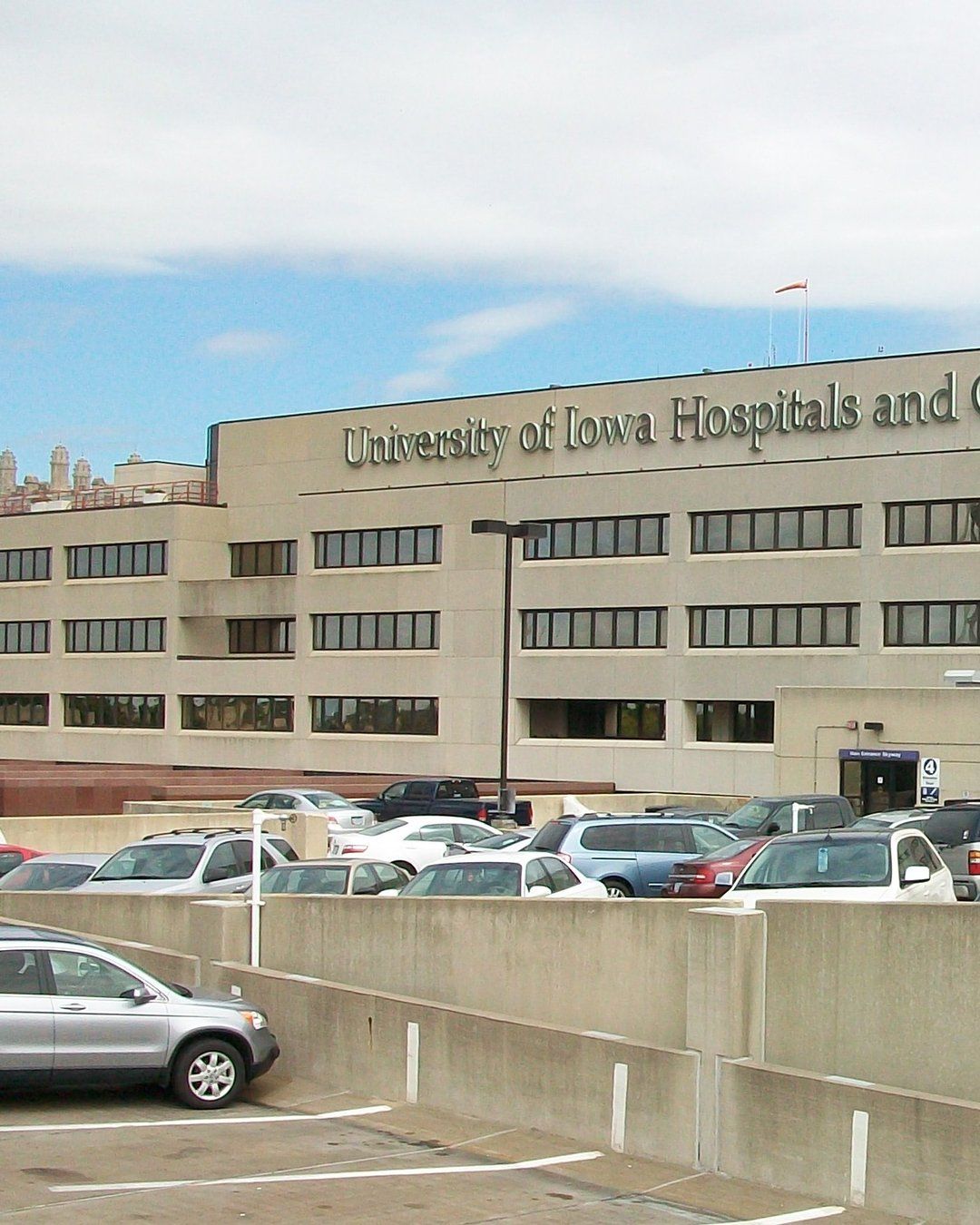
University of Iowa finds huge variety in autistic brains
- Brain scans taken during movies show that people with autism have much more unique neural …
- Watching movies inside a scanner
- Individual patterns vary widely
By the numbers
- 35,000
- Society membersTotal members in the Society for Neuroscience
- 95
- Countries involvedNumber of nations with member scientists
The story
University of Iowa finds huge variety in autistic brains
Brain scans taken during movies show that people with autism have much more unique neural responses than previously thought.
Watching movies inside a scanner
Researchers from the University of Iowa, Indiana University, and Caltech analyzed imaging data from adults watching various films. The movies spanned genres like action, animation, and thrillers.
They used a computational model to link brain activity to specific on-screen elements, such as sounds, visual changes, and complex social cues.
Individual patterns vary widely
While group averages look similar, individual autistic brains show much greater variation in activity patterns than non-autistic ones.
Social networks show most change
- Differences appeared in almost every brain system studied.
- The most unique activity was found in regions that process social information.
- These individual departures from the average are often missed in group studies.
- The findings suggest no two autistic brains process social scenes exactly the same way.
A shift toward personal care
Moving away from group averages could help doctors design support plans tailored to how a specific person's brain works.
Mapping behavior to the brain
The research team plans to study how these specific brain patterns match up with real-world behaviors. By identifying these subgroups, they hope to create more precise definitions of autism.
This could eventually lead to better diagnostic tools that account for the massive diversity within the spectrum.
New research from the University of Iowa suggests that scientists may need to rethink how they study neurodiversity. By using brain scans of people watching movies, researchers discovered that while people with autism spectrum disorder (ASD) might look similar to others on average, their individual brain activity is incredibly diverse. The study, led by Dorit Kliemann and James Traer, suggests that the key to understanding the condition lies in these individual differences rather than broad group comparisons. This discovery challenges the traditional clinical approach of grouping patients by broad symptoms.
To find these patterns, the team analyzed brain imaging data previously collected at Indiana University and Caltech. Participants watched a variety of film clips, including Hitchcockian thrillers and romantic comedies, while their brain activity was recorded via fMRI. The researchers then used a computational model to track how the brain responded to specific movie elements like sound, visuals, and social interactions. This innovative use of cinematic stimuli allowed the scientists to see how the brain functions in a more natural, dynamic environment compared to static laboratory tests.
When looking at the big picture, the model predicted brain activity with similar accuracy for both the ASD group and the non-autistic group. However, when the researchers looked at individuals, a different story emerged. The brains of adults with autism showed significantly more variation from person to person. These unique neural signatures were especially visible in the networks responsible for social processing, where individual responses varied widely from the group average. This suggests that the neural 'route' to a social behavior is unique for every person on the spectrum.
This matters because many current treatments and theories about autism are based on average group data. By focusing on the unique way each person’s brain functions, medical professionals could develop more tailored support. The team now plans to investigate how these specific brain activity patterns relate to the different behaviors seen in people on the autism spectrum. Understanding these details could lead to a future of personalized medicine for neurodivergent individuals, where a scan helps dictate the specific type of social support a patient receives. The study highlights that the autism spectrum is not just a line of severity, but a vast map of individual brain signatures.
The broader scientific community is paying close attention to these findings, as the Society for Neuroscience continues to support research into the nearly 35,000 members of the brain science community globally. By moving beyond group averages, the University of Iowa team is setting a new standard for how neurological conditions are categorized across 95 countries. As diagnostic tools evolve, this research ensures that the unique biology of every individual is at the center of clinical care.
Source: ScienceDaily ↗
Photos: Ctjf83, CC BY-SA 3.0; Intel Free Press, CC BY-SA 2.0; Michael Gaylard from Horsham, UK, CC BY 4.0
Links in this story
 @TimesJetNewsOn Instagram · a new story every hour
How does this story make you feel?
Read next
 ScienceScotland's £19 billion food sector faces a freezing crisis over net-zero costs
 ScienceUT Austin engineers find a way to make quantum computers 7 times faster
 ScienceTobacco plants could slash the price of life-saving cancer drugs
 ScienceKilauea lava fountains shoot 650 feet high in overnight Hawaii eruption
Comments