
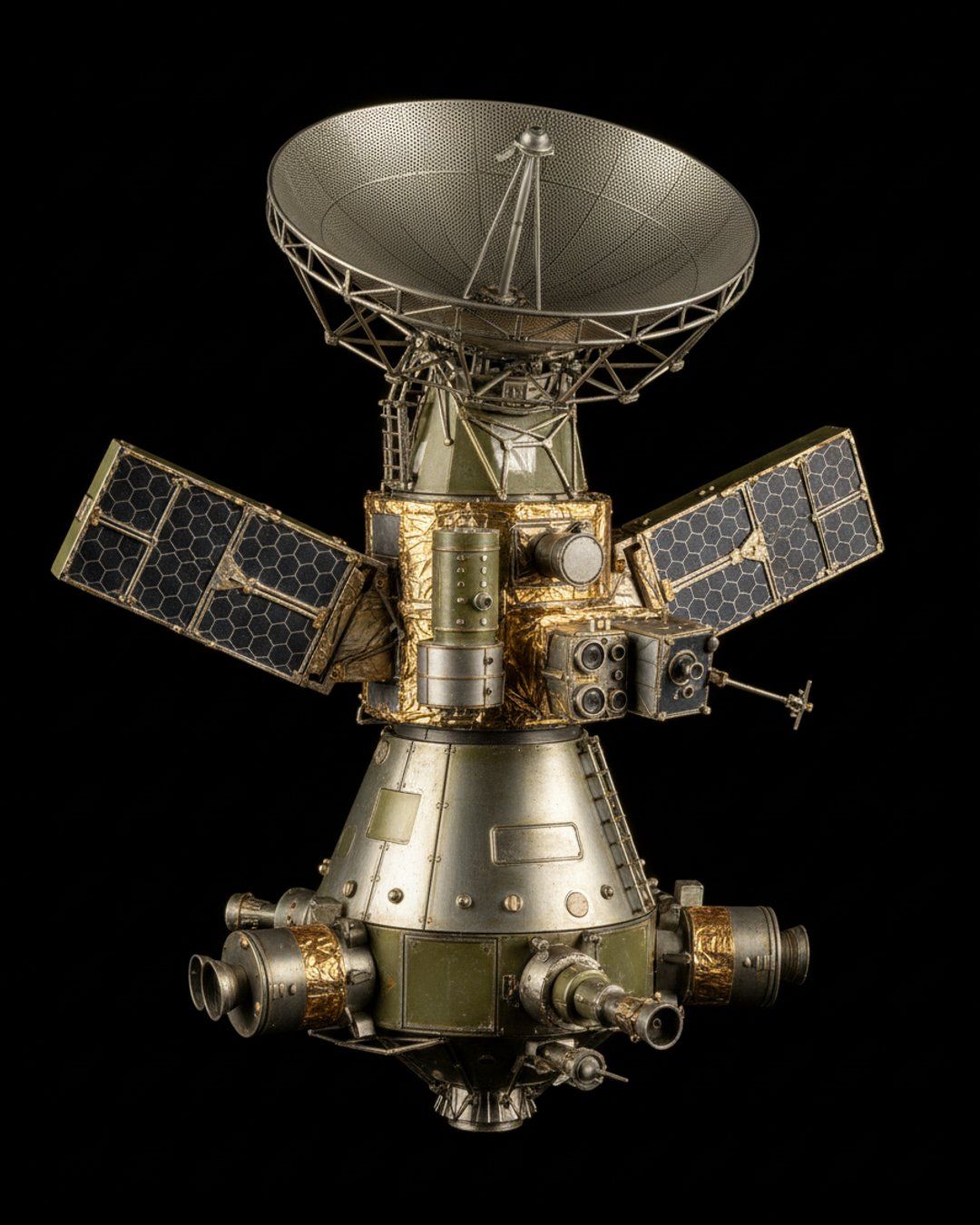
A 'cigar-shaped' shadow and the mysterious death of a Soviet Mars probe
- The last Soviet mission to Mars
- Silent signal from the moon
- The mystery of the cigar shadow
The story
The last Soviet mission to Mars
Launched in 1988, the Phobos 2 probe carried the hopes of a fading superpower and instruments from 12 different nations.
Silent signal from the moon
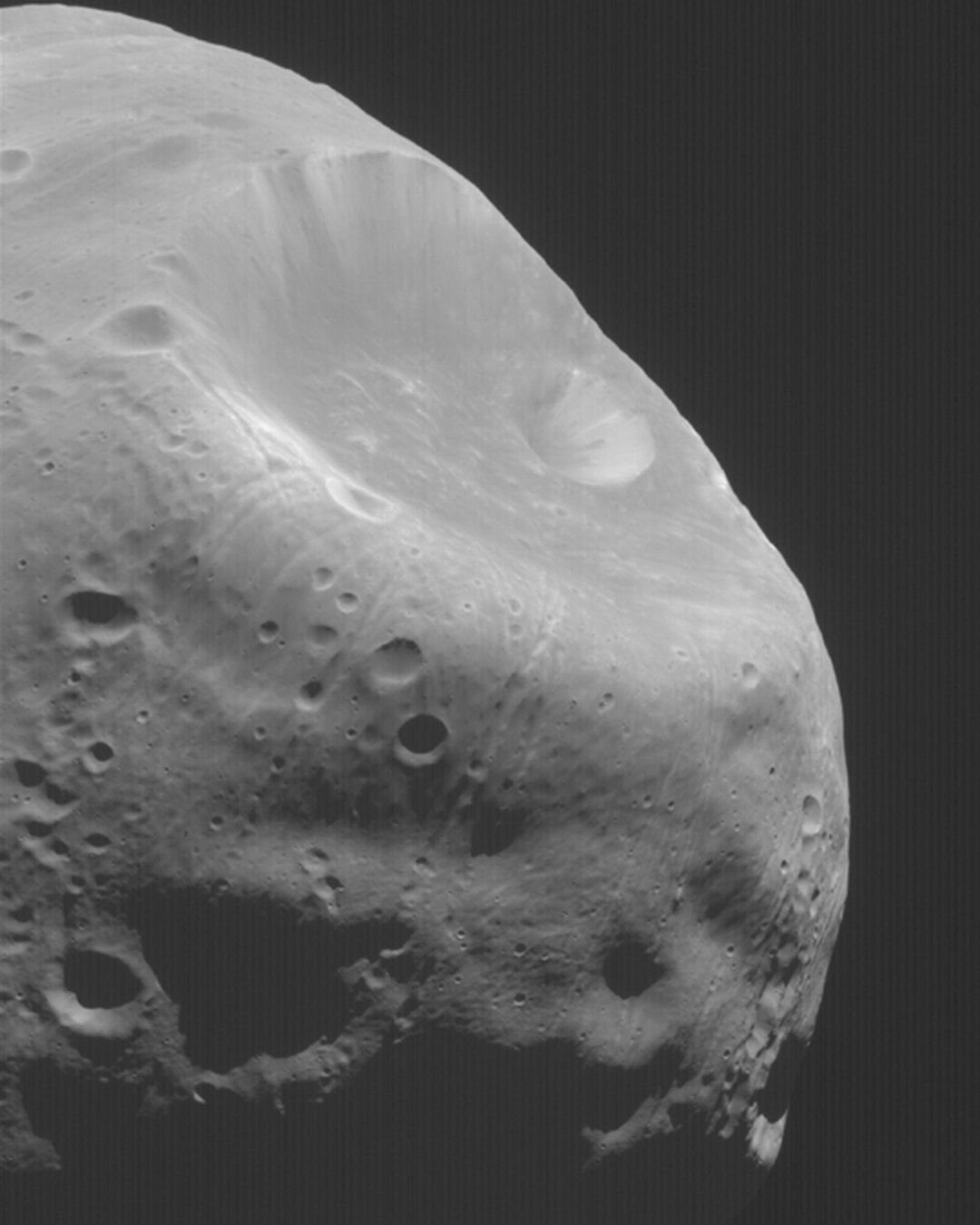
On March 27, 1989, the spacecraft turned to photograph the Martian moon Phobos.
The mystery of the cigar shadow
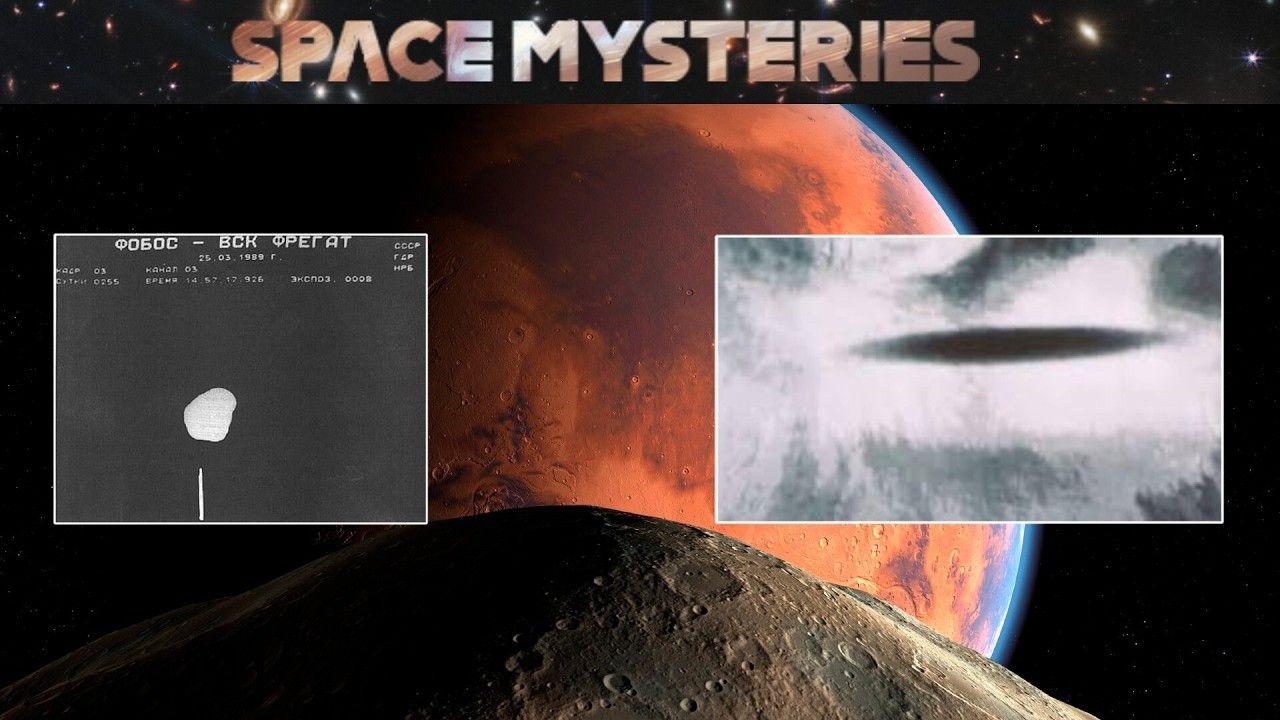
Final images sent by the probe showed a strange, elongated dark shape on the Martian surface that sparked decades of alien theories.
Allegations of an alien mothership
The mystery grew in 1991 when Marina Popovich, a legendary Soviet test pilot, claimed the object was an alien mothership.
Explaining the haunting optics
Scientists eventually found that the 'UFO' was actually the moon's own shadow, stretched thin by the angle of the sun.
The true cause of the crash
The probe likely failed because of its computer. Two of its three flight processors were already acting up by the time it reached Mars.
When the second one died, the final computer couldn't handle the ship alone. Without a backup, the probe couldn't keep its solar panels toward the sun.
A tragic but valuable end
Despite its early death, Phobos 2 sent back more data about the Red Planet than all previous Soviet missions combined.
In July 1988, the Soviet Union launched Phobos 2, a mission designed to study Mars and land probes on its largest moon. It was a high-stakes venture involving scientists from a dozen nations, following the total failure of the previous probe, Phobos 1, just months earlier.
The mission seemed to be succeeding despite technical glitches. By January 1989, the probe arrived in orbit around Mars. Although one of its three onboard processors had already failed, the remaining systems were collecting valuable scientific data about the Martian environment.
The disaster struck on March 27, 1989. As the probe maneuvered to take navigational photos of the moon Phobos, it lost contact with Earth. Engineers believe a second computer failure caused the craft to spin. Without a way to steady itself, its solar panels could not charge, and the batteries drained to zero.
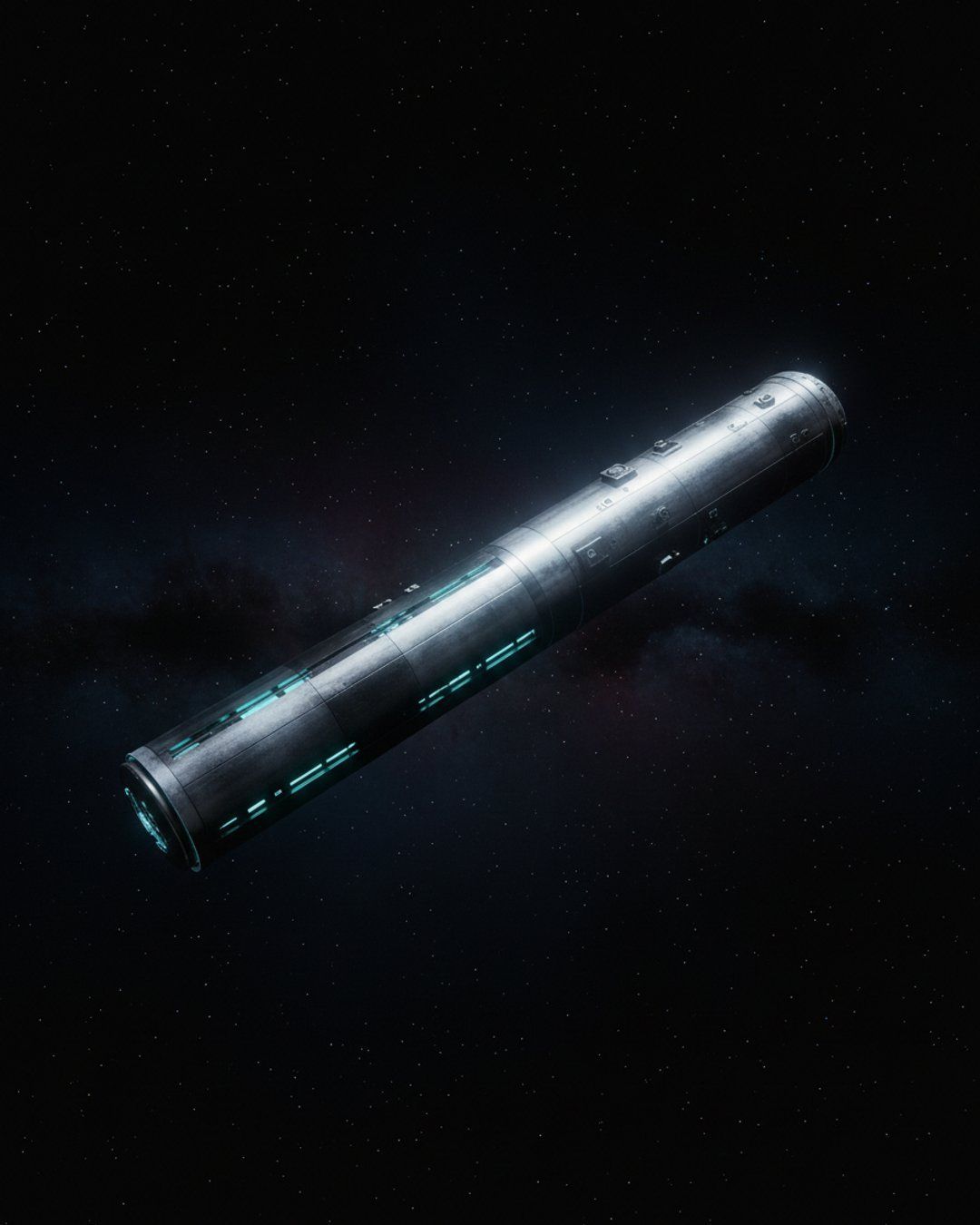
The final images sent back created a sensation. They showed a long, thin, cigar-shaped shadow on the surface of Mars. Famous Soviet pilot Marina Popovich later claimed this was evidence of an alien craft. This sparked decades of speculation that the probe had been intercepted by extraterrestrial life.
Modern analysis has debunked the alien theory. NASA and European Space Agency studies showed the shape was just the shadow of the moon itself. Because the probe was so close to the moon and moving at a similar speed, the angle of the sun created an elongated, elliptical shadow on the planet below.
Though the probe was lost, its short life was not in vain. The data it sent back before the silence exceeded the total information gathered by every previous Soviet mission to Mars. It remains a haunting final chapter for the Soviet space program.
Source: Space ↗
Photo: NASA/JPL/Malin Space Science Systems, Public domain (NASA)
Illustration: AI-generated




Comments