
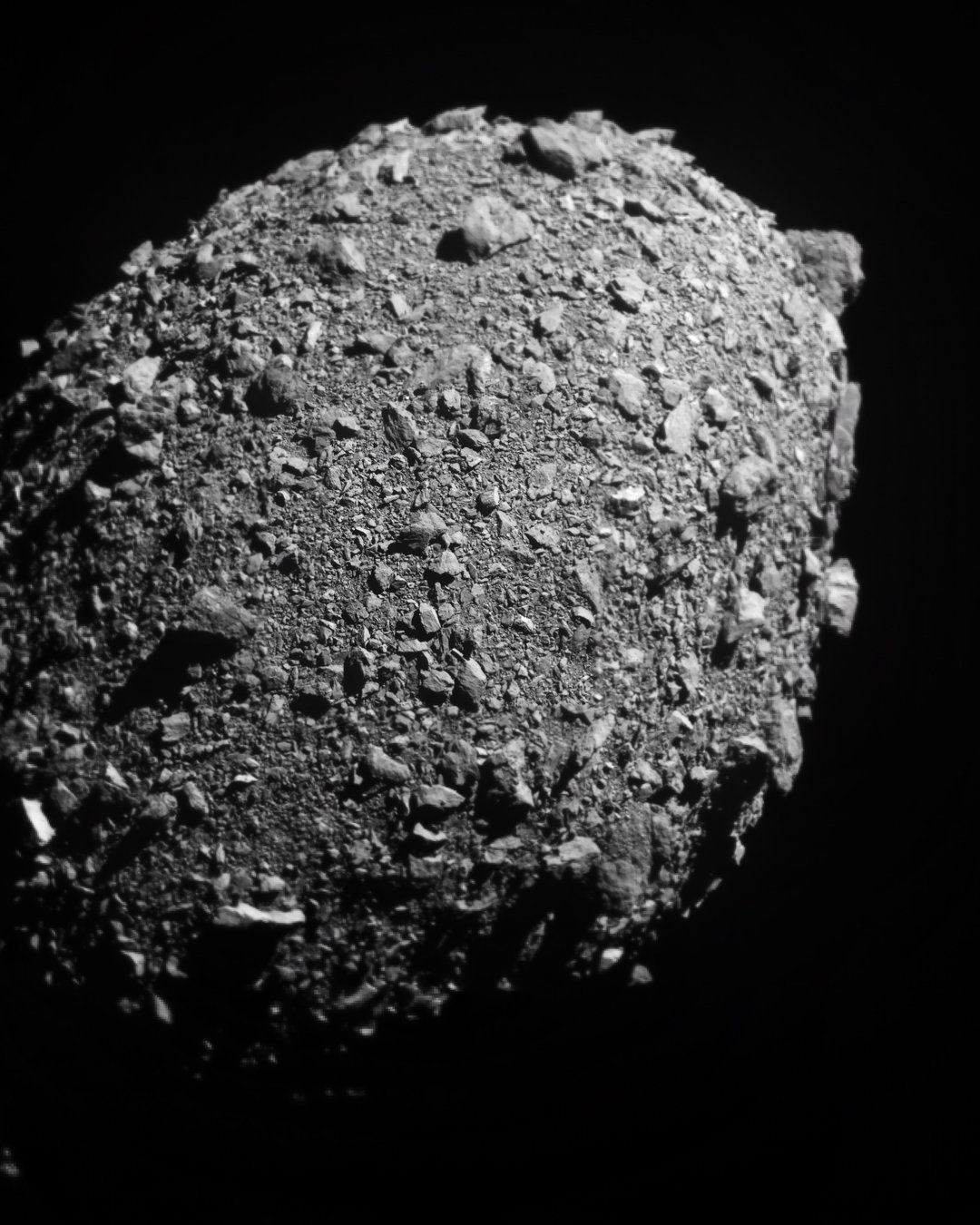
Europe’s Hera probe returns to the asteroid NASA hit to save Earth
- A mission to ground zero
- Revisiting the crash site
- Moving more than expected
The story
A mission to ground zero
A European probe is returning to the site of a 13,000 mph collision to see if planetary defense really works.
Revisiting the crash site
In 2022, NASA’s DART probe intentionally slammed into Dimorphos, a small "moonlet" orbiting a larger asteroid. The goal was to test if a kinetic impact could change a space rock's trajectory. Now, the European Space Agency's Hera probe is returning to document the aftermath.
Moving more than expected
NASA's impact changed the asteroid's 12-hour orbit by 33 minutes, far more than the one minute scientists had hoped for.
Mapping the new crater
Hera will use lidar and high-resolution cameras to map the asteroid’s surface at 1 meter per pixel. By studying the impact site, researchers can determine if the rock’s gravity or its physical strength played a bigger role in how much it moved.
Deploying the CubeSats
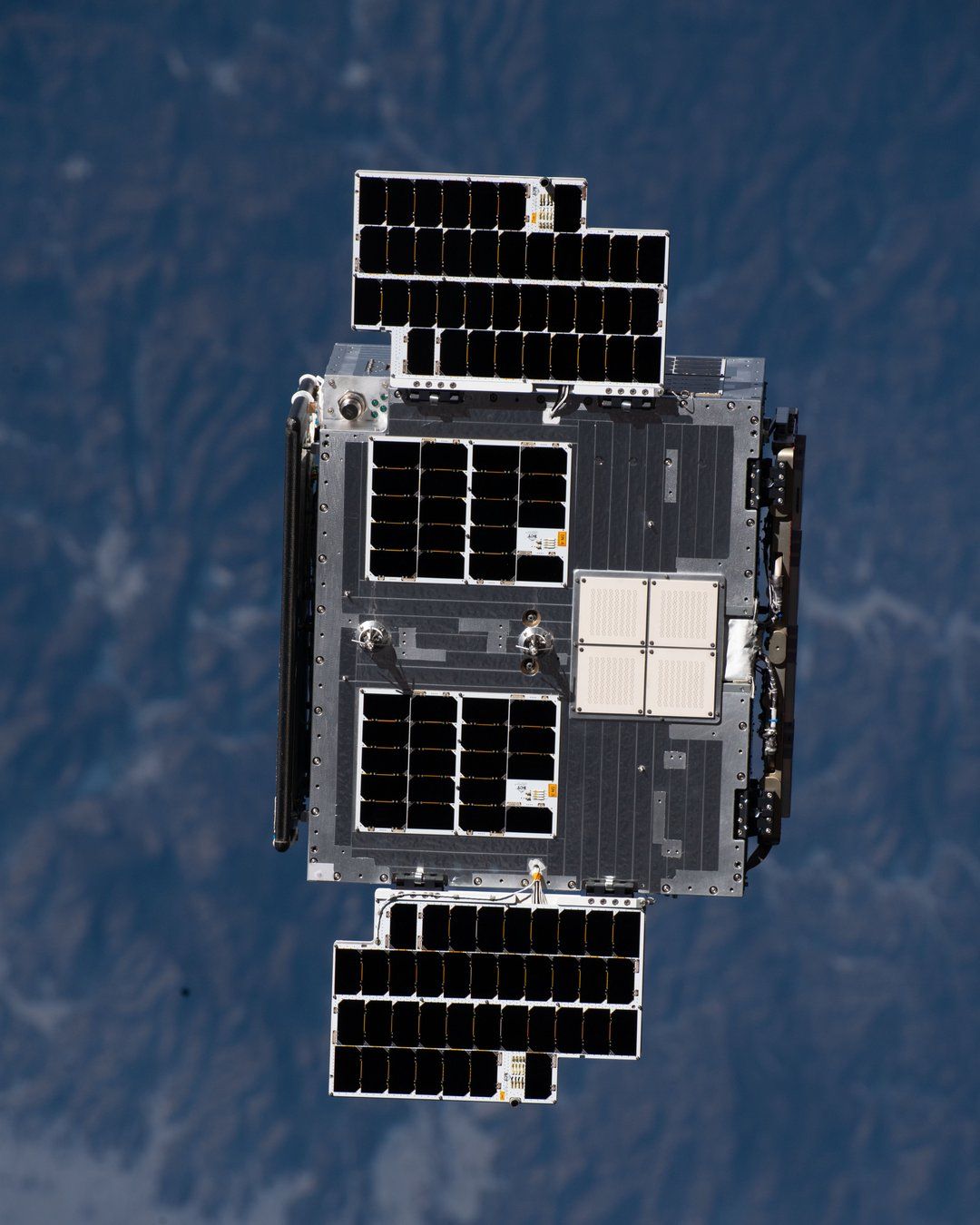
In early 2027, Hera will release two shoebox-sized satellites, Juventas and Milani, to land and scan 100 meters inside the rock.
Defending against the 43,000
Since 2000, the count of known near-Earth asteroids has jumped from 300 to over 43,000. While no immediate threat exists, the data from Hera is vital for missions like the 2029 flyby of Apophis, a 450-meter-wide rock that will pass closer to Earth than many satellites.
Two years after NASA intentionally crashed a spacecraft into an asteroid, a second mission has arrived to survey the wreckage. The European Space Agency’s Hera probe is now in the vicinity of Didymos and its smaller moon, Dimorphos. Its primary goal is to determine exactly how effective the 2022 impact was at altering the system's orbit.
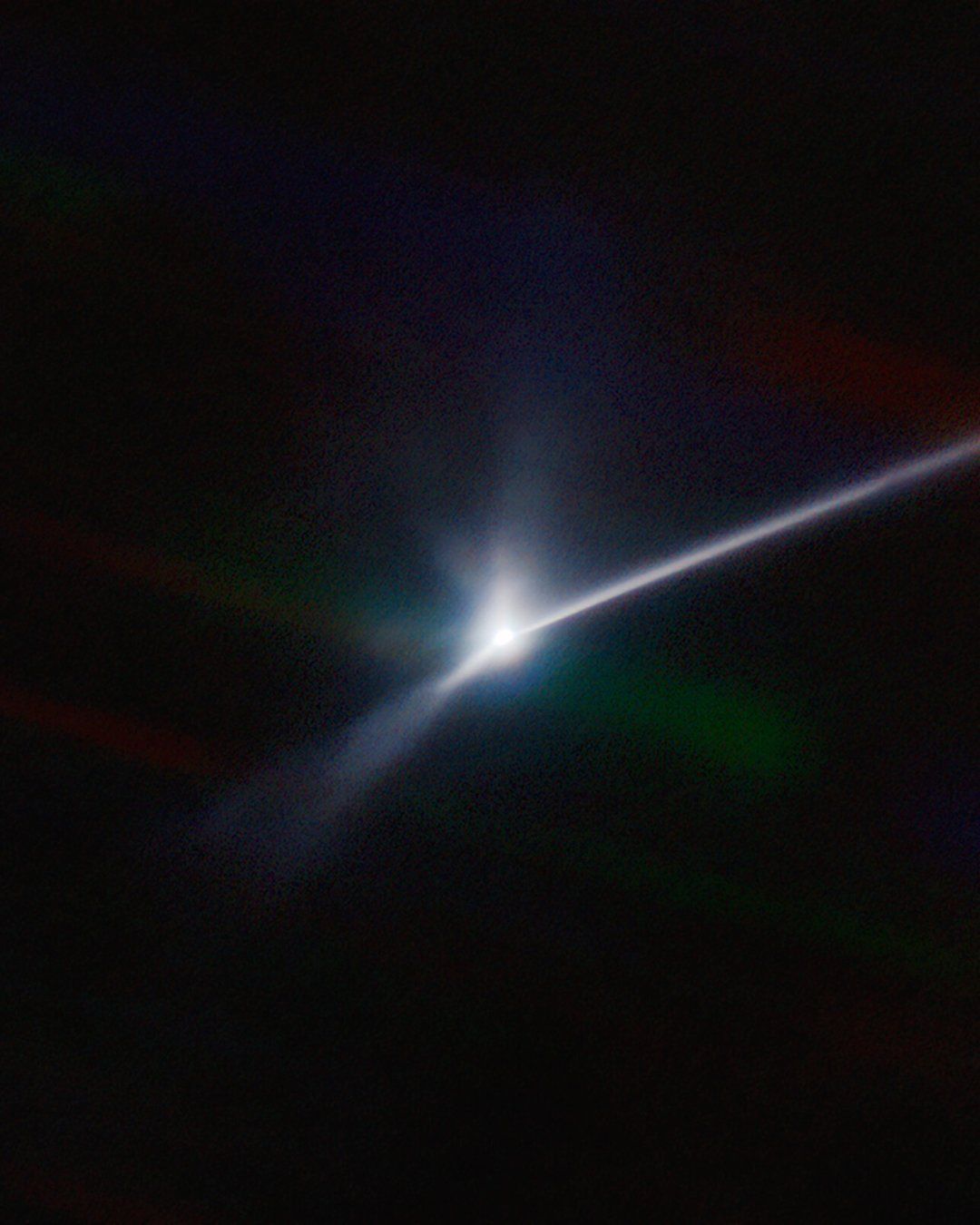
The original NASA test, known as DART, proved that a high-speed collision could significantly move a celestial body. The impact changed the moonlet’s orbital period by 33 minutes—far exceeding the one-minute shift scientists originally targeted. This happened because the collision ejected so much debris that the resulting recoil gave the asteroid an extra push.
Hera will now conduct a close-up forensic investigation. Using advanced sensors, it will measure the exact mass of Dimorphos and map its topography. This data is essential for planetary defense, as it helps scientists calculate exactly how much force is needed to deflect different types of asteroids in the future.
In January 2027, the mission will enter a more daring phase. Hera will deploy two miniature satellites, called CubeSats, to perform geophysical scans. These small craft, Juventas and Milani, will attempt to land on the asteroid to study its chemical makeup and internal structure using radar and gravimeters.
Understanding these rocks is becoming more urgent as our detection capabilities improve. Astronomers now track over 43,000 asteroids that cross or approach Earth’s orbit. Missions like Hera ensure that if a dangerous object is ever discovered on a collision course, humanity will have a proven plan to knock it out of the way.
Source: WIRED ↗
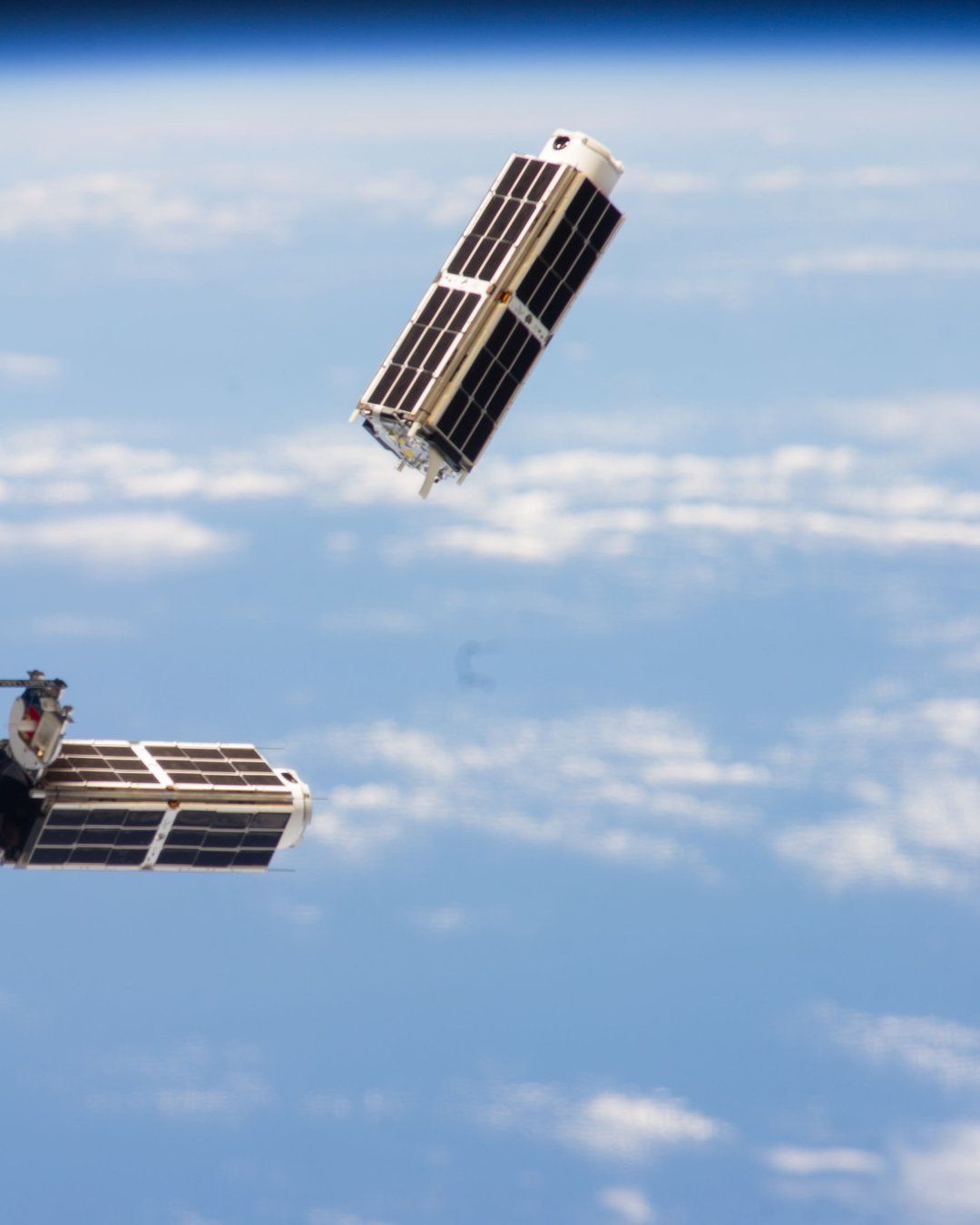
Photo: Eydeet, using DART's satellite imagery by NASA, Public domain
Photo: CTIO/NOIRLab/SOAR/NSF/AURA/T. Kareta, CC BY 4.0
Photo: NASA, Public domain (NASA)


Comments