
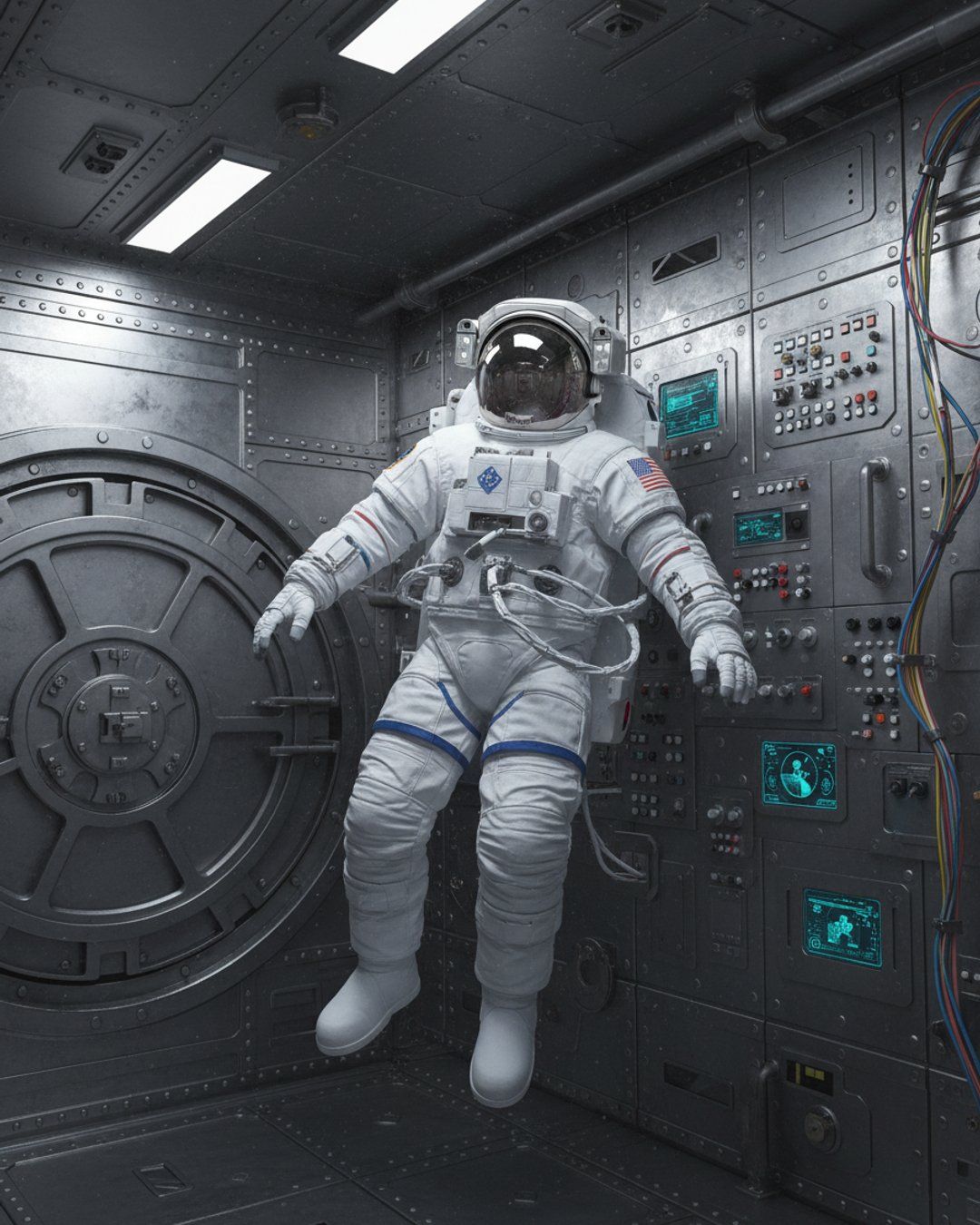
NASA experts reveal the wild physics of playing sports in space
- Why sports are harder in space
- Balls fly in straight lines
- The playing field has no floor
The story
Why sports are harder in space
In microgravity, every movement causes an equal reaction, making it nearly impossible to stop or pivot without hitting a wall.
Balls fly in straight lines
On Earth, we use gravity to calculate the arc of a throw.
The playing field has no floor
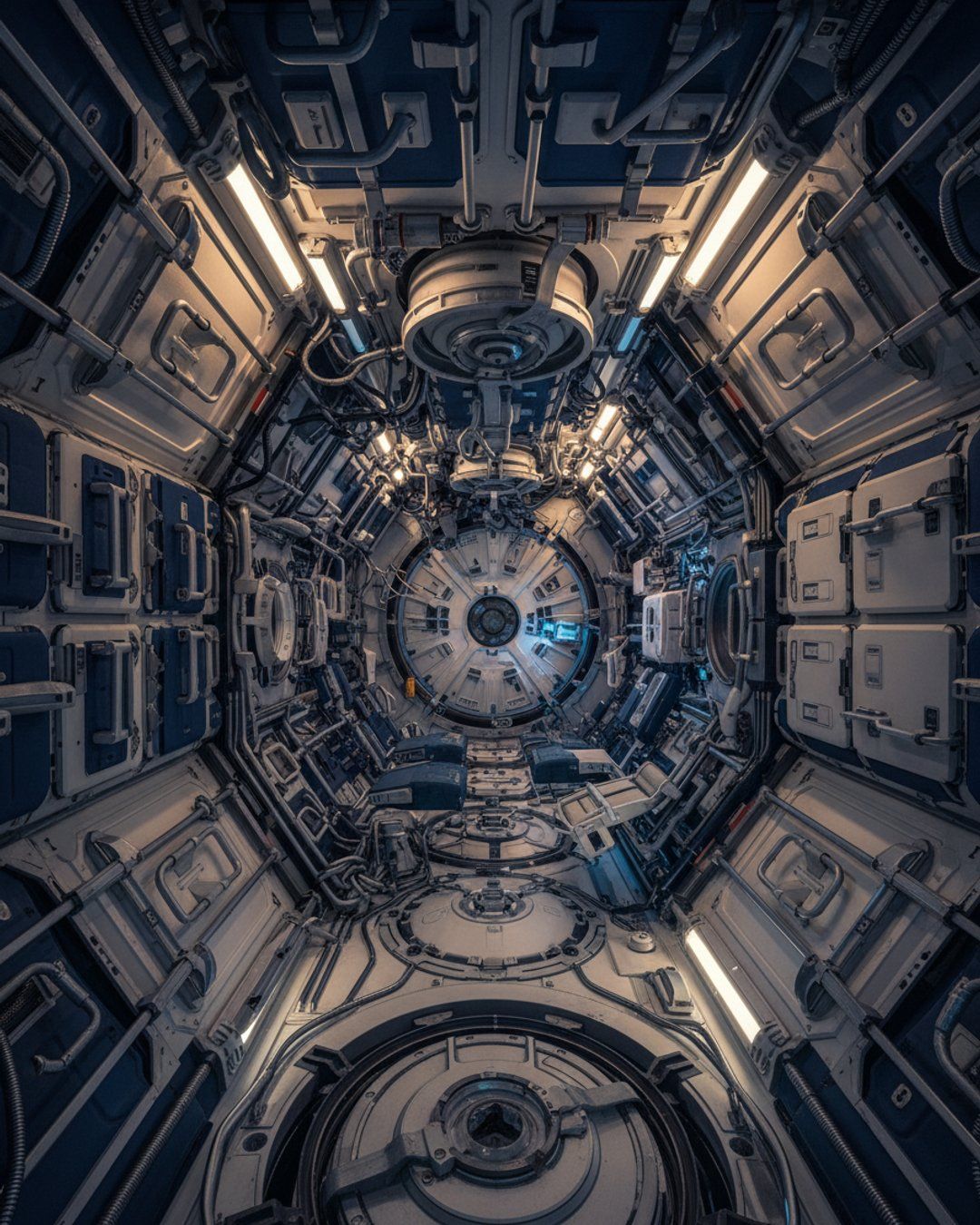
Future space stadiums will likely be cubes or spheres where players use all six surfaces to push off and navigate.
Hollywood makes it look easy
**Spinning**: Movies show heroes flipping gracefully, but real astronauts often enter uncontrollable, clumsy spins when they twist.
Governing the first space games
The Space Games Federation has already formed to create official rules for competitive sports played in microgravity.
Astronauts try space soccer
Crew members on the International Space Station have already experimented with soccer, hockey, and lacrosse.
These tests show that Earth sports don't translate well. Instead, experts suggest new games like magnetic basketball or dodgeball using elastic tethers to help players control their flight and avoid crashing.
Every sport on Earth is defined by gravity. It dictates how balls arc, how players run, and how we orient ourselves. In microgravity, those mechanics evaporate. According to former NASA technologist Les Johnson, moving in space is more like moving on ice, but with an extra dimension. Once you start moving, you don't stop until you hit something.
The concept of "up" and "down" becomes irrelevant in a space-based arena. This expands the playing field from a flat surface to a 3D volume. Science fiction works like "Ender's Game" have accurately portrayed this, showing characters pushing off walls and drifting until they reach an obstacle.
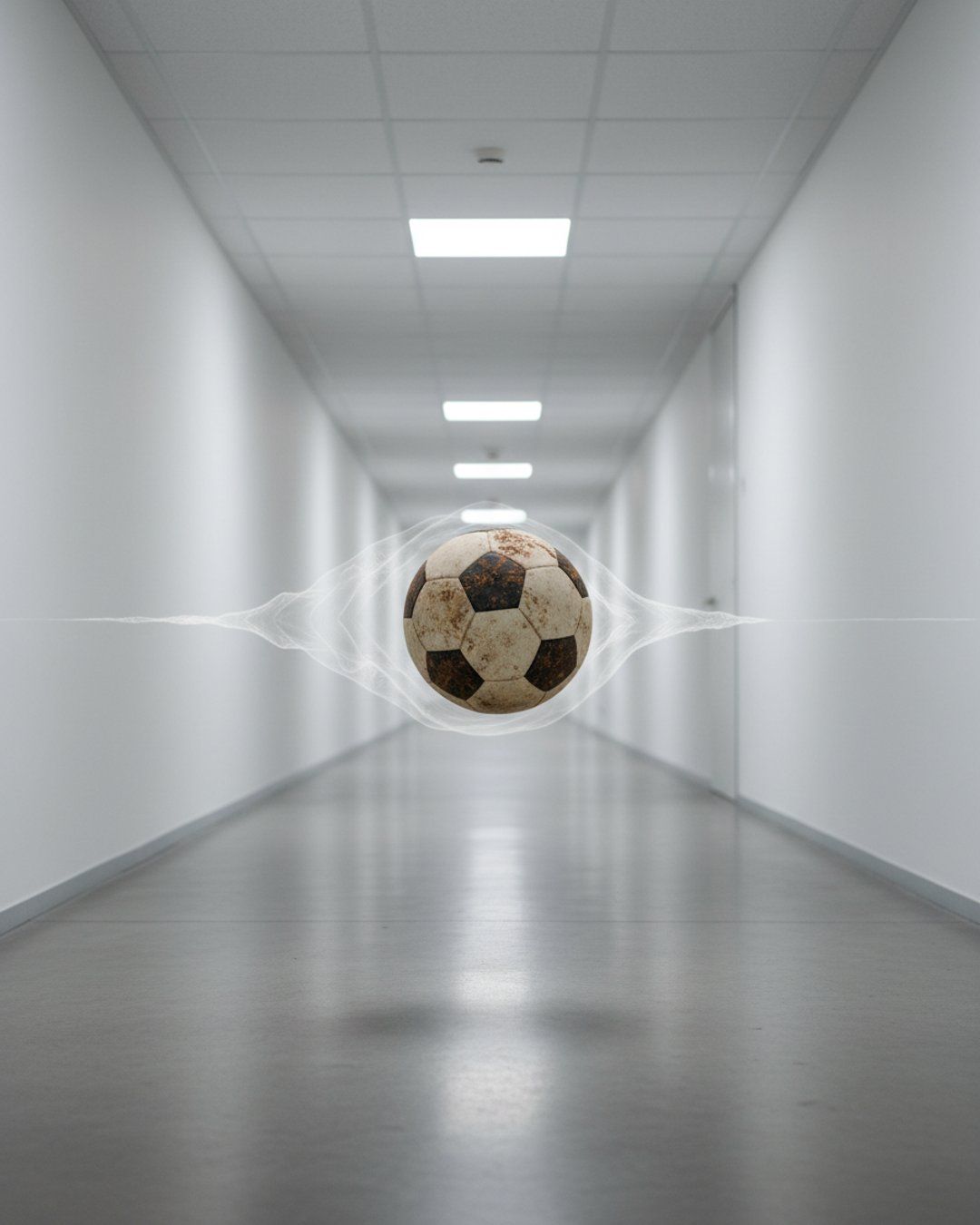
However, reality is often clumsier than the movies. Astronauts on the ISS find it very difficult to rotate their bodies without spinning out of control. Additionally, throwing a ball is a major challenge; there is no gravity to pull it down, so it moves in a relentless straight line. This requires a total recalibration of human hand-eye coordination.
To solve these issues, the Space Games Federation is looking at new ways to play. Proposals include using elastic tethers to help players stay in control and using magnetic balls for games like basketball. While we are far from building massive space stadiums, early tests with soccer and lacrosse on the ISS are laying the groundwork for how humans will stay active when they eventually live on the moon or Mars.
Source: Space ↗
Illustration: AI-generated



Comments