
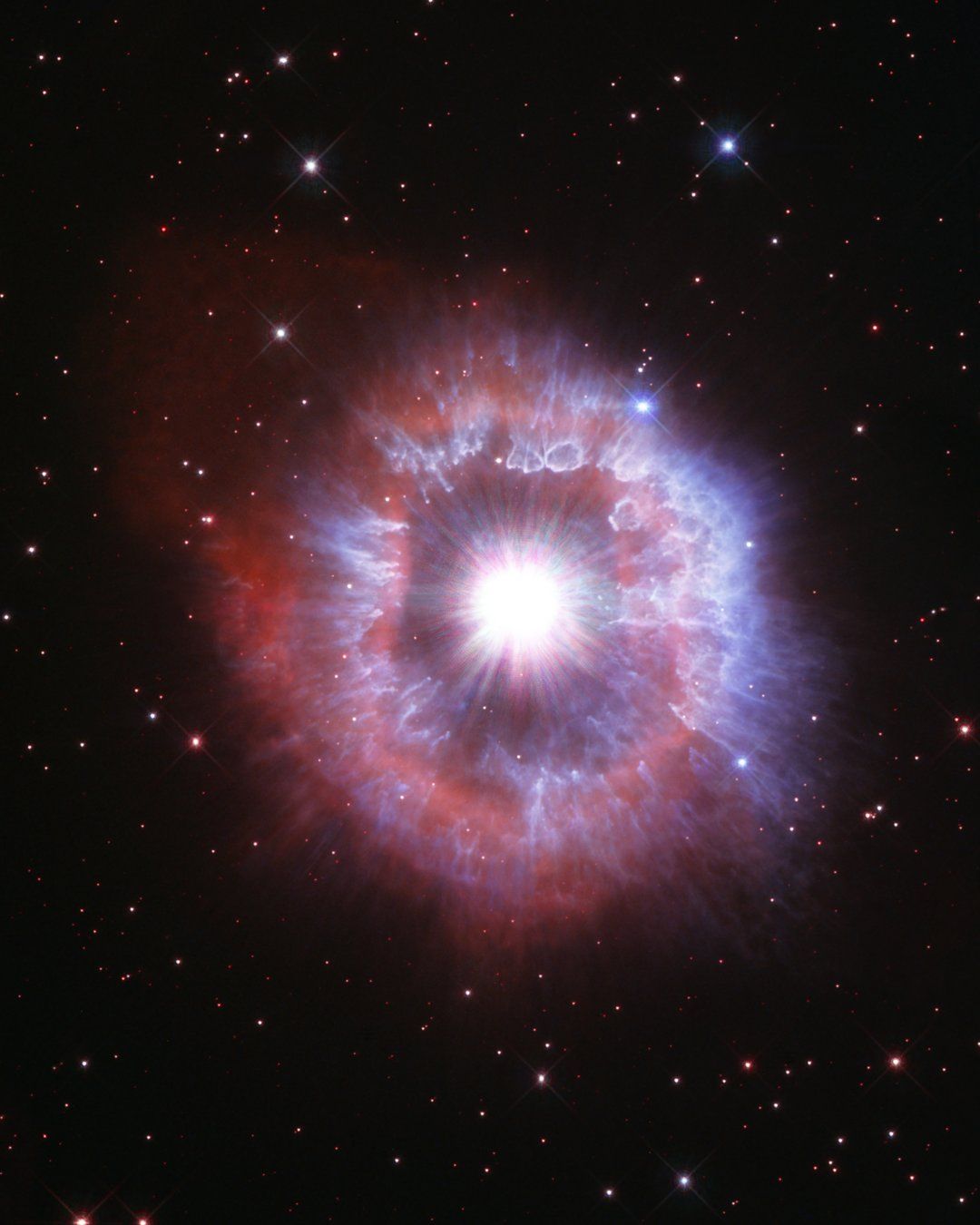
A giant star's magnetic eruption reveals the secret origin of our atoms
- A record blast 330 light years away
- Magnetism powers the cosmos
- Gases reach past Saturn
The story
A record blast 330 light years away
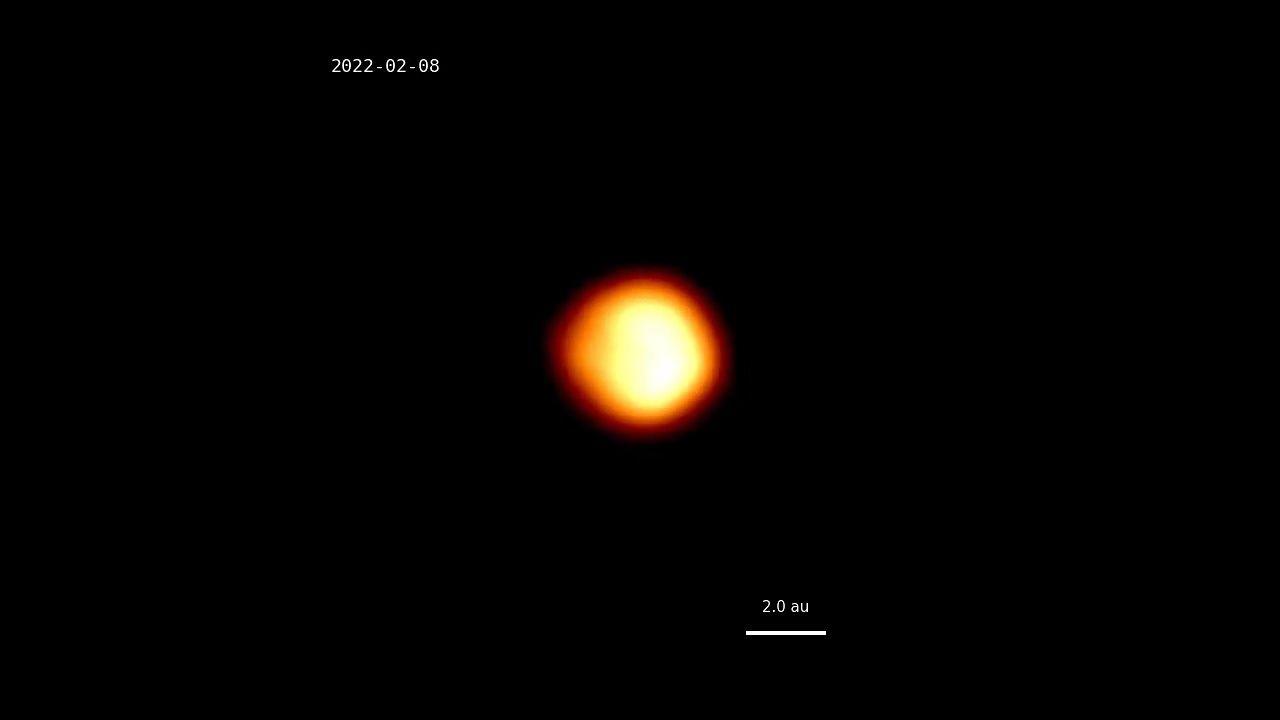
Astronomers captured a massive eruption from the red giant Mira that is reshaping our understanding of how galaxies grow.
Magnetism powers the cosmos
For years, scientists believed starlight pushed dust out of old stars to seed the universe with new elements.
Gases reach past Saturn
A single magnetic flare on Mira's surface created a loop of gas stretching as far as Saturn is from our sun.
Spreading the seeds of life
Stars like Mira produce the carbon, oxygen, and nitrogen found in our bodies.
A preview of our own sun
Mira is a preview of our sun's future, showing how it will eventually grow cooler and windier in a few billion years.
Rewriting the history of Earth
The discovery suggests that Earth might not exist without ancient magnetic storms on distant red giants. Researchers say we must now factor these magnetic forces into the entire "galaxy ecosystem" to understand how solar systems like ours were first built.
An international team of astronomers has captured unprecedented images of Mira, a red giant star located 330 light years away. Using the ALMA telescope in Chile, they observed a record-breaking eruption that challenges long-held theories about how stars interact with the universe around them.
For decades, the scientific consensus was that starlight powered the winds that carry elements away from dying stars. This new study reveals that strong magnetic fields are the true engine. These fields create massive flares that are bright enough to be seen changing in real-time over just a few years.
One flare observed in 2023 was so powerful that it created an expanding loop of gas. By 2025, this loop had grown to a size comparable to the distance between our sun and Saturn. This phenomenon is similar to the coronal mass ejections seen on our sun but on a much more gargantuan scale.
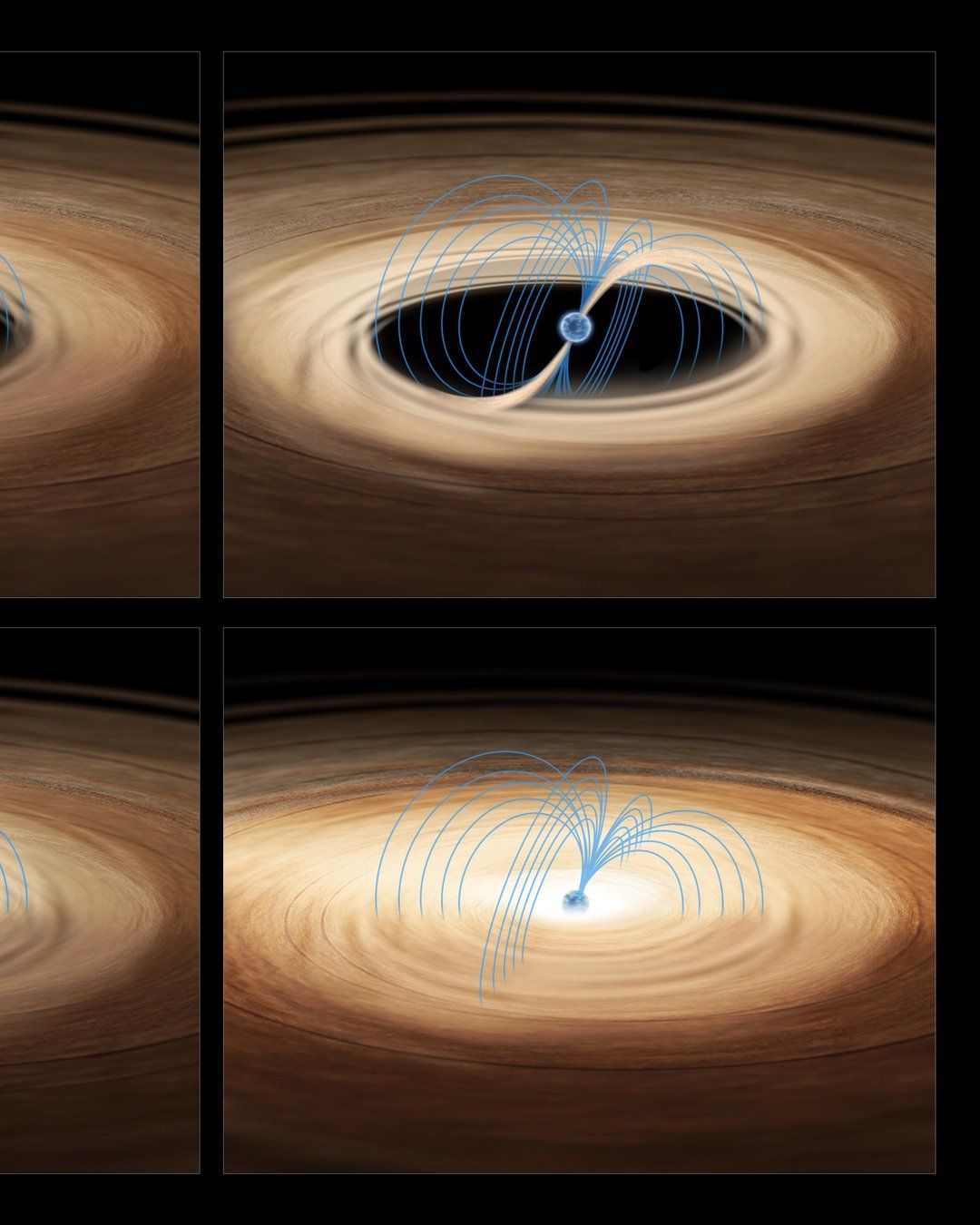
This discovery is vital because stars like Mira are the factories for the atoms we are made of, including carbon and nitrogen. The magnetic storms launch these elements into interstellar space, where they eventually clump together to form new generations of stars and planets.
Because Mira is much older and larger than our sun, it offers a glimpse into the distant future of our own solar system. In a few billion years, our sun will likely behave just like Mira, releasing its outer layers through these same magnetic mechanisms.
The research, published in the journal Astronomy & Astrophysics, suggests that scientists must rethink the origin story of the Milky Way. Magnetic activity on ancient red giants billions of years ago likely provided the raw materials that allowed the Earth and life itself to form.
Source: Phys.org ↗
Photos: European Space Agency, CC BY 2.0; NASA Jet propulsion laboratory, Public domain
Illustration: AI-generated
Links in this story

How does this story make you feel?
Read next
 ScienceScotland's £19 billion food sector faces a freezing crisis over net-zero costs
 ScienceUT Austin engineers find a way to make quantum computers 7 times faster
 ScienceTobacco plants could slash the price of life-saving cancer drugs
 ScienceKilauea lava fountains shoot 650 feet high in overnight Hawaii eruption
Comments